
Home
Microbial Biopolyester Production, Performance and Processing: Microbiology, Feedstocks, and Metabolism
Barnes and Noble
Loading Inventory...
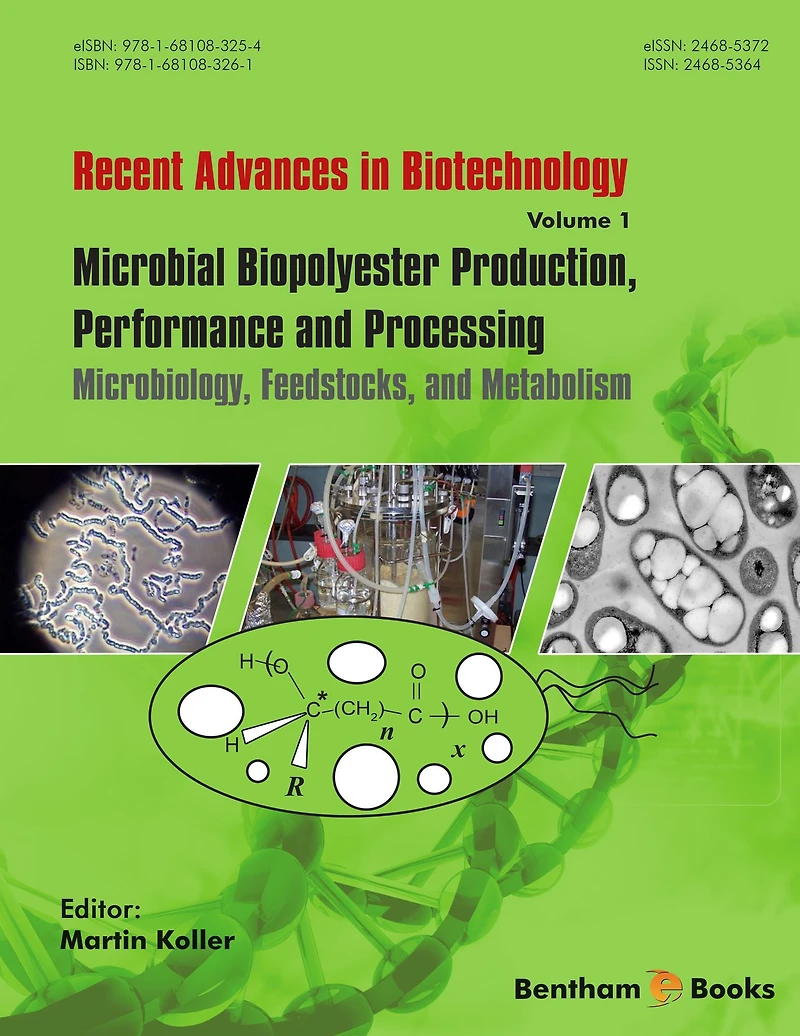
Microbial Biopolyester Production, Performance and Processing: Microbiology, Feedstocks, and Metabolism in Chattanooga, TN
By Barnes & Noble
Current price: $129.00
Barnes and Noble
Microbial Biopolyester Production, Performance and Processing: Microbiology, Feedstocks, and Metabolism in Chattanooga, TN
By Barnes & Noble
Current price: $129.00
Loading Inventory...
Size: EBook
Global plastic production is estimated to be over 300Mt annually. Most conventional plastics are predominantly produced from fossil fuels and are highly resistant to biodegradation, and only a small share of about 20% of spent plastics is believed to be recycled, which is a cause for environmental concern. Biodegradable plastics would solve this concern as they are a sustainable alternative, yet these do not even cover 5% of the global plastic market. Microbial polyhydroxyalkanoates (PHAs) are a versatile group of polyesters produced by nature as prokaryotic storage materials. PHAs can be produced through sustainable bioprocess engineering and have displayed remarkable flexibility in their physical and chemical properties. PHAs are the subject of several scientific papers and numerous PHA patents have also been filed, generating significant interest in the plastic production industry. To develop overall sustainable and efficient production processes, all bioprocess steps need to be thoroughly understood and accounted for. These processes start with the selection of suitable inexpensive raw materials (microbes and enzymes), optimizing the process engineering and process regime, and conclude with the enhancement of product recovery in terms of time, energy, and material input. Microbial Biopolyester Production, Performance and Processing: Microbiology, Feedstocks, and Metabolism encompasses eight chapters that cover aspects of the microbiology and biotechnology of producing biodegradable plastics. The contents focus on the selection of powerful archaeal and eubacterial production strains, genetic engineering as a tool for optimized PHA production and inexpensive carbon sources for microbial cultures. The volume is a useful resource for bioprocess engineers, microbiologists, biotechnologists and chemical engineers interested in the basics of biodegradable plastic production.
Global plastic production is estimated to be over 300Mt annually. Most conventional plastics are predominantly produced from fossil fuels and are highly resistant to biodegradation, and only a small share of about 20% of spent plastics is believed to be recycled, which is a cause for environmental concern. Biodegradable plastics would solve this concern as they are a sustainable alternative, yet these do not even cover 5% of the global plastic market. Microbial polyhydroxyalkanoates (PHAs) are a versatile group of polyesters produced by nature as prokaryotic storage materials. PHAs can be produced through sustainable bioprocess engineering and have displayed remarkable flexibility in their physical and chemical properties. PHAs are the subject of several scientific papers and numerous PHA patents have also been filed, generating significant interest in the plastic production industry. To develop overall sustainable and efficient production processes, all bioprocess steps need to be thoroughly understood and accounted for. These processes start with the selection of suitable inexpensive raw materials (microbes and enzymes), optimizing the process engineering and process regime, and conclude with the enhancement of product recovery in terms of time, energy, and material input. Microbial Biopolyester Production, Performance and Processing: Microbiology, Feedstocks, and Metabolism encompasses eight chapters that cover aspects of the microbiology and biotechnology of producing biodegradable plastics. The contents focus on the selection of powerful archaeal and eubacterial production strains, genetic engineering as a tool for optimized PHA production and inexpensive carbon sources for microbial cultures. The volume is a useful resource for bioprocess engineers, microbiologists, biotechnologists and chemical engineers interested in the basics of biodegradable plastic production.
You May Also Like










More About Barnes and Noble at Hamilton Place
Barnes & Noble is the world’s largest retail bookseller and a leading retailer of content, digital media and educational products. Our Nook Digital business offers a lineup of NOOK® tablets and e-Readers and an expansive collection of digital reading content through the NOOK Store®. Barnes & Noble’s mission is to operate the best omni-channel specialty retail business in America, helping both our customers and booksellers reach their aspirations, while being a credit to the communities we serve.
2100 Hamilton Pl Blvd, Chattanooga, TN 37421, United States
Find Barnes and Noble at Hamilton Place in Chattanooga, TN
Visit Barnes and Noble at Hamilton Place in Chattanooga, TN
