
Home
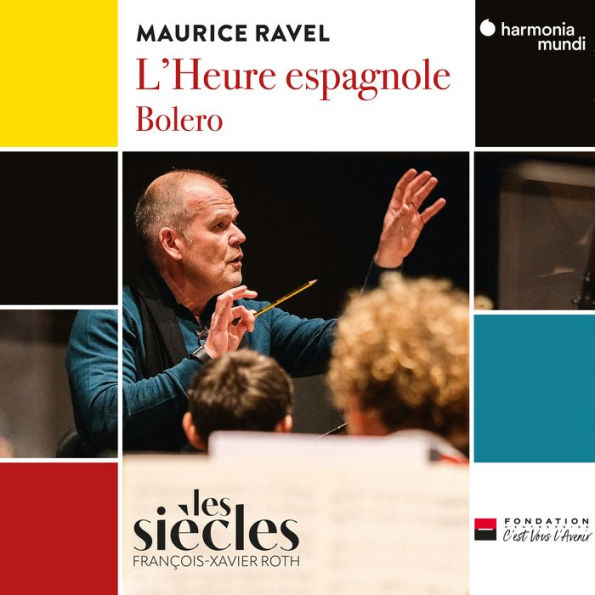
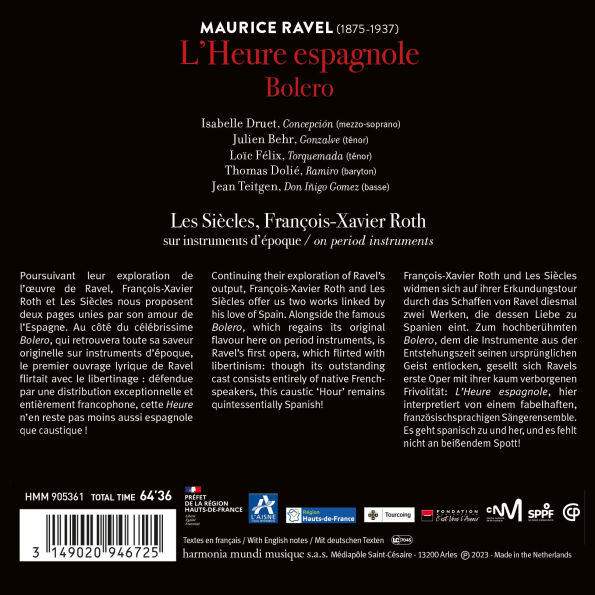
Maurice Ravel: L'Heure espagnole; Bolero
Barnes and Noble
Loading Inventory...
Maurice Ravel: L'Heure espagnole; Bolero in Chattanooga, TN
Current price: $21.99
Barnes and Noble
Maurice Ravel: L'Heure espagnole; Bolero in Chattanooga, TN
Current price: $21.99
Loading Inventory...
Size: OS
The main attraction of the orchestra
Les Siecles
and its conductor
Francois-Xavier Roth
is its use of period instruments from around 1900, the time period in which the group specializes. One could hardly ask for a better demonstration record (as audiophiles used to call them) than this take on
Maurice Ravel
's
L'Heure espagnole
, an edgy, rather tawdry but undeniably funny little opera about the extramarital escapades of a clockmaker's wife, complete with excellent satirical characterizations of her two lovers. The opera receives a pitch-perfect performance here from a quintet of younger singers, who deliver the kind of dry, close-to-spoken singing
Ravel
wanted. Even better, though, is the orchestral sound, where the opera's large contingent of winds, brass, and percussion displays the sound of
at its most vivid. The score calls for trios of oboes, clarinets, and bassoons, and these all have a tangier sound than modern instruments provide. The program ends with
Bolero
, and this, too, stands out from among the hundreds or thousands of other recordings on the market.
had very fixed ideas about how he wanted the work to sound, and he wrangled with
Arturo Toscanini
, who conducted the premiere in New York, about it: it should be played absolutely straight, with no variation in tempo and little expression. Notwithstanding the connotations that became attached to the work later on, he viewed it as an abstract work, and that is exactly what it becomes in
Roth
's bracing reading. Listeners who have been wanting to sample
's work with this orchestra are enthusiastically encouraged to try this release, which made classical best-seller charts in the summer of 2023. ~ James Manheim
Les Siecles
and its conductor
Francois-Xavier Roth
is its use of period instruments from around 1900, the time period in which the group specializes. One could hardly ask for a better demonstration record (as audiophiles used to call them) than this take on
Maurice Ravel
's
L'Heure espagnole
, an edgy, rather tawdry but undeniably funny little opera about the extramarital escapades of a clockmaker's wife, complete with excellent satirical characterizations of her two lovers. The opera receives a pitch-perfect performance here from a quintet of younger singers, who deliver the kind of dry, close-to-spoken singing
Ravel
wanted. Even better, though, is the orchestral sound, where the opera's large contingent of winds, brass, and percussion displays the sound of
at its most vivid. The score calls for trios of oboes, clarinets, and bassoons, and these all have a tangier sound than modern instruments provide. The program ends with
Bolero
, and this, too, stands out from among the hundreds or thousands of other recordings on the market.
had very fixed ideas about how he wanted the work to sound, and he wrangled with
Arturo Toscanini
, who conducted the premiere in New York, about it: it should be played absolutely straight, with no variation in tempo and little expression. Notwithstanding the connotations that became attached to the work later on, he viewed it as an abstract work, and that is exactly what it becomes in
Roth
's bracing reading. Listeners who have been wanting to sample
's work with this orchestra are enthusiastically encouraged to try this release, which made classical best-seller charts in the summer of 2023. ~ James Manheim
The main attraction of the orchestra
Les Siecles
and its conductor
Francois-Xavier Roth
is its use of period instruments from around 1900, the time period in which the group specializes. One could hardly ask for a better demonstration record (as audiophiles used to call them) than this take on
Maurice Ravel
's
L'Heure espagnole
, an edgy, rather tawdry but undeniably funny little opera about the extramarital escapades of a clockmaker's wife, complete with excellent satirical characterizations of her two lovers. The opera receives a pitch-perfect performance here from a quintet of younger singers, who deliver the kind of dry, close-to-spoken singing
Ravel
wanted. Even better, though, is the orchestral sound, where the opera's large contingent of winds, brass, and percussion displays the sound of
at its most vivid. The score calls for trios of oboes, clarinets, and bassoons, and these all have a tangier sound than modern instruments provide. The program ends with
Bolero
, and this, too, stands out from among the hundreds or thousands of other recordings on the market.
had very fixed ideas about how he wanted the work to sound, and he wrangled with
Arturo Toscanini
, who conducted the premiere in New York, about it: it should be played absolutely straight, with no variation in tempo and little expression. Notwithstanding the connotations that became attached to the work later on, he viewed it as an abstract work, and that is exactly what it becomes in
Roth
's bracing reading. Listeners who have been wanting to sample
's work with this orchestra are enthusiastically encouraged to try this release, which made classical best-seller charts in the summer of 2023. ~ James Manheim
Les Siecles
and its conductor
Francois-Xavier Roth
is its use of period instruments from around 1900, the time period in which the group specializes. One could hardly ask for a better demonstration record (as audiophiles used to call them) than this take on
Maurice Ravel
's
L'Heure espagnole
, an edgy, rather tawdry but undeniably funny little opera about the extramarital escapades of a clockmaker's wife, complete with excellent satirical characterizations of her two lovers. The opera receives a pitch-perfect performance here from a quintet of younger singers, who deliver the kind of dry, close-to-spoken singing
Ravel
wanted. Even better, though, is the orchestral sound, where the opera's large contingent of winds, brass, and percussion displays the sound of
at its most vivid. The score calls for trios of oboes, clarinets, and bassoons, and these all have a tangier sound than modern instruments provide. The program ends with
Bolero
, and this, too, stands out from among the hundreds or thousands of other recordings on the market.
had very fixed ideas about how he wanted the work to sound, and he wrangled with
Arturo Toscanini
, who conducted the premiere in New York, about it: it should be played absolutely straight, with no variation in tempo and little expression. Notwithstanding the connotations that became attached to the work later on, he viewed it as an abstract work, and that is exactly what it becomes in
Roth
's bracing reading. Listeners who have been wanting to sample
's work with this orchestra are enthusiastically encouraged to try this release, which made classical best-seller charts in the summer of 2023. ~ James Manheim
You May Also Like








More About Barnes and Noble at Hamilton Place
Barnes & Noble is the world’s largest retail bookseller and a leading retailer of content, digital media and educational products. Our Nook Digital business offers a lineup of NOOK® tablets and e-Readers and an expansive collection of digital reading content through the NOOK Store®. Barnes & Noble’s mission is to operate the best omni-channel specialty retail business in America, helping both our customers and booksellers reach their aspirations, while being a credit to the communities we serve.
2100 Hamilton Pl Blvd, Chattanooga, TN 37421, United States
Find Barnes and Noble at Hamilton Place in Chattanooga, TN
Visit Barnes and Noble at Hamilton Place in Chattanooga, TN
