
Home
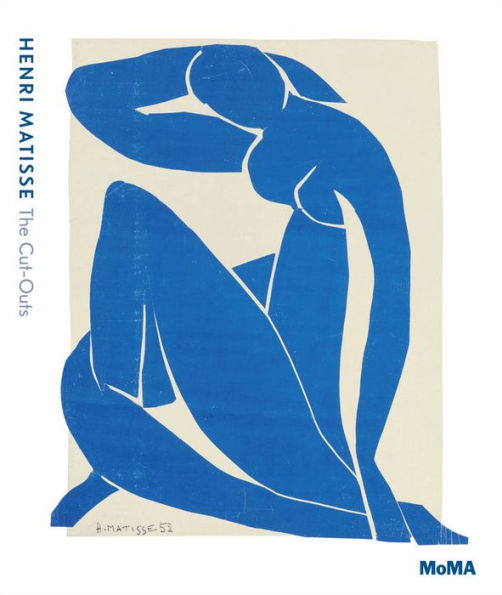
Matisse: Cut-outs
Barnes and Noble
Loading Inventory...

Matisse: Cut-outs in Chattanooga, TN
Current price: $20.00
Barnes and Noble
Matisse: Cut-outs in Chattanooga, TN
Current price: $20.00
Loading Inventory...
Size: OS
Henri Matisse
(1869–1954) was a fighting spirit. Despite a cancer diagnosis in 1941, increasing frailty, and the confines of a wheelchair, the indomitable Frenchman
never stopped in his quest to make art
. With what he called
une seconde vie
, a second life, he embarked on a remarkable collage period, cutting and pasting pieces of colored paper into
gouaches découpées
of
birds, plants, flowers, and the female form
.
Emphasizing color and contrast, the cutout technique generated both
striking lines and vivid juxtapositions
. In works such as
Icarus
(1943),
The Blue Nude
(1952),
The Snail
(1953), and
The Sheaf
(1953),
clean forms and elemental structures
power a compositional force that belies the work’s decorative appeal, at once tightly organized and
infectious with
joie de vivre
. As his work progressed, Matisse’s excitement with his results fueled everlarger pieces, advancing from small works to
vast wallsized murals
As his final years approached, Matisse reveled in the simplicity and brilliance of these pieces, avowing, “Only what I created after the illness constitutes my real self: free, liberated…” In this essential introductory book, we revisit this joyful final chapter of Matisse’s long and prodigious career, examining how the
cutouts encapsulated the artist’s many years exploring the possibilities of composition, form, and color
(1869–1954) was a fighting spirit. Despite a cancer diagnosis in 1941, increasing frailty, and the confines of a wheelchair, the indomitable Frenchman
never stopped in his quest to make art
. With what he called
une seconde vie
, a second life, he embarked on a remarkable collage period, cutting and pasting pieces of colored paper into
gouaches découpées
of
birds, plants, flowers, and the female form
.
Emphasizing color and contrast, the cutout technique generated both
striking lines and vivid juxtapositions
. In works such as
Icarus
(1943),
The Blue Nude
(1952),
The Snail
(1953), and
The Sheaf
(1953),
clean forms and elemental structures
power a compositional force that belies the work’s decorative appeal, at once tightly organized and
infectious with
joie de vivre
. As his work progressed, Matisse’s excitement with his results fueled everlarger pieces, advancing from small works to
vast wallsized murals
As his final years approached, Matisse reveled in the simplicity and brilliance of these pieces, avowing, “Only what I created after the illness constitutes my real self: free, liberated…” In this essential introductory book, we revisit this joyful final chapter of Matisse’s long and prodigious career, examining how the
cutouts encapsulated the artist’s many years exploring the possibilities of composition, form, and color
Henri Matisse
(1869–1954) was a fighting spirit. Despite a cancer diagnosis in 1941, increasing frailty, and the confines of a wheelchair, the indomitable Frenchman
never stopped in his quest to make art
. With what he called
une seconde vie
, a second life, he embarked on a remarkable collage period, cutting and pasting pieces of colored paper into
gouaches découpées
of
birds, plants, flowers, and the female form
.
Emphasizing color and contrast, the cutout technique generated both
striking lines and vivid juxtapositions
. In works such as
Icarus
(1943),
The Blue Nude
(1952),
The Snail
(1953), and
The Sheaf
(1953),
clean forms and elemental structures
power a compositional force that belies the work’s decorative appeal, at once tightly organized and
infectious with
joie de vivre
. As his work progressed, Matisse’s excitement with his results fueled everlarger pieces, advancing from small works to
vast wallsized murals
As his final years approached, Matisse reveled in the simplicity and brilliance of these pieces, avowing, “Only what I created after the illness constitutes my real self: free, liberated…” In this essential introductory book, we revisit this joyful final chapter of Matisse’s long and prodigious career, examining how the
cutouts encapsulated the artist’s many years exploring the possibilities of composition, form, and color
(1869–1954) was a fighting spirit. Despite a cancer diagnosis in 1941, increasing frailty, and the confines of a wheelchair, the indomitable Frenchman
never stopped in his quest to make art
. With what he called
une seconde vie
, a second life, he embarked on a remarkable collage period, cutting and pasting pieces of colored paper into
gouaches découpées
of
birds, plants, flowers, and the female form
.
Emphasizing color and contrast, the cutout technique generated both
striking lines and vivid juxtapositions
. In works such as
Icarus
(1943),
The Blue Nude
(1952),
The Snail
(1953), and
The Sheaf
(1953),
clean forms and elemental structures
power a compositional force that belies the work’s decorative appeal, at once tightly organized and
infectious with
joie de vivre
. As his work progressed, Matisse’s excitement with his results fueled everlarger pieces, advancing from small works to
vast wallsized murals
As his final years approached, Matisse reveled in the simplicity and brilliance of these pieces, avowing, “Only what I created after the illness constitutes my real self: free, liberated…” In this essential introductory book, we revisit this joyful final chapter of Matisse’s long and prodigious career, examining how the
cutouts encapsulated the artist’s many years exploring the possibilities of composition, form, and color
You May Also Like










More About Barnes and Noble at Hamilton Place
Barnes & Noble is the world’s largest retail bookseller and a leading retailer of content, digital media and educational products. Our Nook Digital business offers a lineup of NOOK® tablets and e-Readers and an expansive collection of digital reading content through the NOOK Store®. Barnes & Noble’s mission is to operate the best omni-channel specialty retail business in America, helping both our customers and booksellers reach their aspirations, while being a credit to the communities we serve.
2100 Hamilton Pl Blvd, Chattanooga, TN 37421, United States
Find Barnes and Noble at Hamilton Place in Chattanooga, TN
Visit Barnes and Noble at Hamilton Place in Chattanooga, TN
