
Home
Mansfield Park: An Annotated Edition
Barnes and Noble
Loading Inventory...
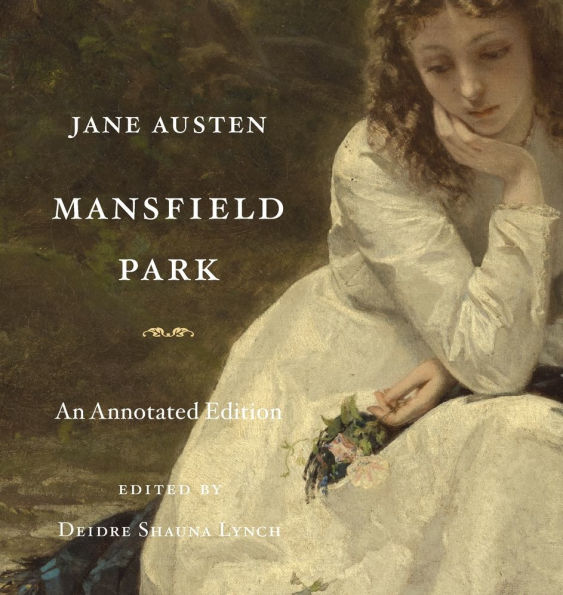
Mansfield Park: An Annotated Edition in Chattanooga, TN
Current price: $35.00
Barnes and Noble
Mansfield Park: An Annotated Edition in Chattanooga, TN
Current price: $35.00
Loading Inventory...
Size: OS
Jane Austen’s most ambitious novel,
Mansfield Park,
has always generated debate. Austen herself noted that debate when she conducted a reader survey, recording her acquaintances’ mixed reviews in a booklet she entitled “Opinions of
Mansfield Park
.” Is this novel’s dutiful heroine, Fanny Price, admirable? Or is she (as Austen’s own mother asserted) “insipid”? Is Fanny actually the heroine, or does that title belong more properly to her rival, Mary Crawford? Does Fanny’s uncle, Sir Thomas Bertram, act as her benefactor, or as a domestic tyrant? In her notes and introduction to this final volume in Harvard’s celebrated annotated Austen series, Deidre Shauna Lynch outlines the critical disagreements
has sparked and suggests that Austen’s design in writing the novel was to highlight, not downplay, the conflicted feelings its plot and heroine can inspire.
Lynch also engages head-on with the novel’s experimentalism, its technical virtuosity, and its undiminished capacity, two centuries later, to disturb and to move. Annotations clarify the nuances of Austen’s language and explain the novel’s literary allusions and its engagements with topical controversies over West Indian slavery and the conduct of Britain’s war against France. The volume’s numerous illustrations enable readers to picture the world
’s characters inhabit, underscoring the novel’s close attention to setting and setting’s impact on character.
Mansfield Park: An Annotated Edition
opens up facets of the novel for even devoted Janeites while extending an open hand to less experienced readers. It will be a welcome addition to the shelf of any library.
Mansfield Park,
has always generated debate. Austen herself noted that debate when she conducted a reader survey, recording her acquaintances’ mixed reviews in a booklet she entitled “Opinions of
Mansfield Park
.” Is this novel’s dutiful heroine, Fanny Price, admirable? Or is she (as Austen’s own mother asserted) “insipid”? Is Fanny actually the heroine, or does that title belong more properly to her rival, Mary Crawford? Does Fanny’s uncle, Sir Thomas Bertram, act as her benefactor, or as a domestic tyrant? In her notes and introduction to this final volume in Harvard’s celebrated annotated Austen series, Deidre Shauna Lynch outlines the critical disagreements
has sparked and suggests that Austen’s design in writing the novel was to highlight, not downplay, the conflicted feelings its plot and heroine can inspire.
Lynch also engages head-on with the novel’s experimentalism, its technical virtuosity, and its undiminished capacity, two centuries later, to disturb and to move. Annotations clarify the nuances of Austen’s language and explain the novel’s literary allusions and its engagements with topical controversies over West Indian slavery and the conduct of Britain’s war against France. The volume’s numerous illustrations enable readers to picture the world
’s characters inhabit, underscoring the novel’s close attention to setting and setting’s impact on character.
Mansfield Park: An Annotated Edition
opens up facets of the novel for even devoted Janeites while extending an open hand to less experienced readers. It will be a welcome addition to the shelf of any library.
Jane Austen’s most ambitious novel,
Mansfield Park,
has always generated debate. Austen herself noted that debate when she conducted a reader survey, recording her acquaintances’ mixed reviews in a booklet she entitled “Opinions of
Mansfield Park
.” Is this novel’s dutiful heroine, Fanny Price, admirable? Or is she (as Austen’s own mother asserted) “insipid”? Is Fanny actually the heroine, or does that title belong more properly to her rival, Mary Crawford? Does Fanny’s uncle, Sir Thomas Bertram, act as her benefactor, or as a domestic tyrant? In her notes and introduction to this final volume in Harvard’s celebrated annotated Austen series, Deidre Shauna Lynch outlines the critical disagreements
has sparked and suggests that Austen’s design in writing the novel was to highlight, not downplay, the conflicted feelings its plot and heroine can inspire.
Lynch also engages head-on with the novel’s experimentalism, its technical virtuosity, and its undiminished capacity, two centuries later, to disturb and to move. Annotations clarify the nuances of Austen’s language and explain the novel’s literary allusions and its engagements with topical controversies over West Indian slavery and the conduct of Britain’s war against France. The volume’s numerous illustrations enable readers to picture the world
’s characters inhabit, underscoring the novel’s close attention to setting and setting’s impact on character.
Mansfield Park: An Annotated Edition
opens up facets of the novel for even devoted Janeites while extending an open hand to less experienced readers. It will be a welcome addition to the shelf of any library.
Mansfield Park,
has always generated debate. Austen herself noted that debate when she conducted a reader survey, recording her acquaintances’ mixed reviews in a booklet she entitled “Opinions of
Mansfield Park
.” Is this novel’s dutiful heroine, Fanny Price, admirable? Or is she (as Austen’s own mother asserted) “insipid”? Is Fanny actually the heroine, or does that title belong more properly to her rival, Mary Crawford? Does Fanny’s uncle, Sir Thomas Bertram, act as her benefactor, or as a domestic tyrant? In her notes and introduction to this final volume in Harvard’s celebrated annotated Austen series, Deidre Shauna Lynch outlines the critical disagreements
has sparked and suggests that Austen’s design in writing the novel was to highlight, not downplay, the conflicted feelings its plot and heroine can inspire.
Lynch also engages head-on with the novel’s experimentalism, its technical virtuosity, and its undiminished capacity, two centuries later, to disturb and to move. Annotations clarify the nuances of Austen’s language and explain the novel’s literary allusions and its engagements with topical controversies over West Indian slavery and the conduct of Britain’s war against France. The volume’s numerous illustrations enable readers to picture the world
’s characters inhabit, underscoring the novel’s close attention to setting and setting’s impact on character.
Mansfield Park: An Annotated Edition
opens up facets of the novel for even devoted Janeites while extending an open hand to less experienced readers. It will be a welcome addition to the shelf of any library.
You May Also Like








More About Barnes and Noble at Hamilton Place
Barnes & Noble is the world’s largest retail bookseller and a leading retailer of content, digital media and educational products. Our Nook Digital business offers a lineup of NOOK® tablets and e-Readers and an expansive collection of digital reading content through the NOOK Store®. Barnes & Noble’s mission is to operate the best omni-channel specialty retail business in America, helping both our customers and booksellers reach their aspirations, while being a credit to the communities we serve.
2100 Hamilton Pl Blvd, Chattanooga, TN 37421, United States
Find Barnes and Noble at Hamilton Place in Chattanooga, TN
Visit Barnes and Noble at Hamilton Place in Chattanooga, TN
