
Home
Managing Human Capital Today's Globalization: A Management Information System Perspective
Barnes and Noble
Loading Inventory...
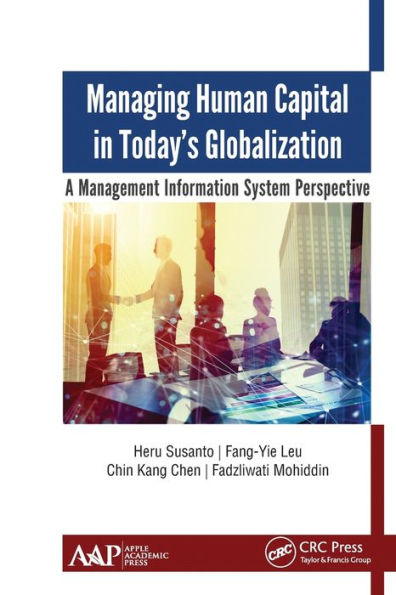
Managing Human Capital Today's Globalization: A Management Information System Perspective in Chattanooga, TN
Current price: $149.95
Barnes and Noble
Managing Human Capital Today's Globalization: A Management Information System Perspective in Chattanooga, TN
Current price: $149.95
Loading Inventory...
Size: Hardcover
This book explores important issues in human capital in human resource management as it relates to management information systems (MIS). It highlights how management information systems are implemented and the potential for employee resistance, offering behavioral strategies to involve employees in adopting effective MIS and in overcoming resistance during change. The authors also look at the available research that focuses on the changing skills requirements of employees in the context of both MIS perspectives and HRM perspectives. They address how current trends have evolved into a hyper-emerging market of competitive advantage and fast-changing environments toward globalization.
The authors also address:
workforce planning and management systems
strategic human resource management
re-engineering work processes for improved productivity
work-force diversity
the integration of MIS-HRIS and employee involvement
human resource globalization and MIS implications
the impact of digital technology on decentralized work sites
organizational continuous improvement programs
The authors also address:
workforce planning and management systems
strategic human resource management
re-engineering work processes for improved productivity
work-force diversity
the integration of MIS-HRIS and employee involvement
human resource globalization and MIS implications
the impact of digital technology on decentralized work sites
organizational continuous improvement programs
This book explores important issues in human capital in human resource management as it relates to management information systems (MIS). It highlights how management information systems are implemented and the potential for employee resistance, offering behavioral strategies to involve employees in adopting effective MIS and in overcoming resistance during change. The authors also look at the available research that focuses on the changing skills requirements of employees in the context of both MIS perspectives and HRM perspectives. They address how current trends have evolved into a hyper-emerging market of competitive advantage and fast-changing environments toward globalization.
The authors also address:
workforce planning and management systems
strategic human resource management
re-engineering work processes for improved productivity
work-force diversity
the integration of MIS-HRIS and employee involvement
human resource globalization and MIS implications
the impact of digital technology on decentralized work sites
organizational continuous improvement programs
The authors also address:
workforce planning and management systems
strategic human resource management
re-engineering work processes for improved productivity
work-force diversity
the integration of MIS-HRIS and employee involvement
human resource globalization and MIS implications
the impact of digital technology on decentralized work sites
organizational continuous improvement programs
You May Also Like














More About Barnes and Noble at Hamilton Place
Barnes & Noble is the world’s largest retail bookseller and a leading retailer of content, digital media and educational products. Our Nook Digital business offers a lineup of NOOK® tablets and e-Readers and an expansive collection of digital reading content through the NOOK Store®. Barnes & Noble’s mission is to operate the best omni-channel specialty retail business in America, helping both our customers and booksellers reach their aspirations, while being a credit to the communities we serve.
2100 Hamilton Pl Blvd, Chattanooga, TN 37421, United States
Find Barnes and Noble at Hamilton Place in Chattanooga, TN
Visit Barnes and Noble at Hamilton Place in Chattanooga, TN
