
Home
Magic Pony Ride
Barnes and Noble
Loading Inventory...
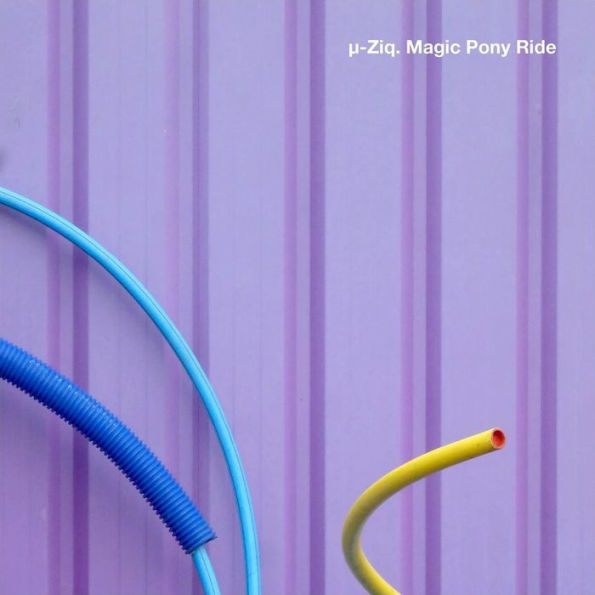
Magic Pony Ride in Chattanooga, TN
Current price: $33.99
Barnes and Noble
Magic Pony Ride in Chattanooga, TN
Current price: $33.99
Loading Inventory...
Size: OS
Mike Paradinas
made
Magic Pony Ride
after releasing several albums of archival material, in addition to preparing a 25th anniversary reissue of 1997's
Lunatic Harness
, a truly groundbreaking record that redefined breakbeat manipulation while showcasing his gift for writing eloquent melodies. Feeling driven to return to a more breakbeat-heavy sound, he envisioned
as a sort of sequel to
. This context more or less urges the listener to compare the two albums, which isn't entirely fair since they both come from much different points in
Paradinas
' life and ultimately express different perspectives. The beats on
are more inspired by jungle and breakbeat hardcore than anything
has recorded since the 2000s, but they aren't nearly as unhinged or manic as those on
, and the melodies don't quite tap into the singular mixture of fear and excitement that made the previous album so riveting.
has melodies that exude a sense of childlike wonder, but here they come from the perspective of someone who's been raising children for years. Some of the tracks even feature vocals from
' daughter
Elka
, who adds an innocent touch to the interlude "Picksing" and catchy, reverb-caked "dum-dums" to the eponymous "Elka's Song." Other wordless vocals are sliced and sprinkled throughout the album, with the levitating voice on the illuminating "Uncle Daddy" resembling
' past collaborator
Kazumi
, and others such as first single "Goodbye" and bittersweet finale "Don't Tell Me (It's Ending)" drawing from the same bank of vocal samples. The midsection of the record contains its most cheerful moments, particularly "Turquoise Hyperfizz" (which goes harder than expected during its ultra-choppy second half) and the lush, rapid-fire "Brown Chaos." Nearly 30 years on from the release of the first
µ-ziq
album,
' production ethic has become much tighter and more refined, so it doesn't feel quite as messy or driven to the brink of panic as some of his work from the '90s.
is more comforting than challenging, but it's still highly enjoyable, providing a unique view on family life from an artist who has remained inventive for several decades. ~ Paul Simpson
made
Magic Pony Ride
after releasing several albums of archival material, in addition to preparing a 25th anniversary reissue of 1997's
Lunatic Harness
, a truly groundbreaking record that redefined breakbeat manipulation while showcasing his gift for writing eloquent melodies. Feeling driven to return to a more breakbeat-heavy sound, he envisioned
as a sort of sequel to
. This context more or less urges the listener to compare the two albums, which isn't entirely fair since they both come from much different points in
Paradinas
' life and ultimately express different perspectives. The beats on
are more inspired by jungle and breakbeat hardcore than anything
has recorded since the 2000s, but they aren't nearly as unhinged or manic as those on
, and the melodies don't quite tap into the singular mixture of fear and excitement that made the previous album so riveting.
has melodies that exude a sense of childlike wonder, but here they come from the perspective of someone who's been raising children for years. Some of the tracks even feature vocals from
' daughter
Elka
, who adds an innocent touch to the interlude "Picksing" and catchy, reverb-caked "dum-dums" to the eponymous "Elka's Song." Other wordless vocals are sliced and sprinkled throughout the album, with the levitating voice on the illuminating "Uncle Daddy" resembling
' past collaborator
Kazumi
, and others such as first single "Goodbye" and bittersweet finale "Don't Tell Me (It's Ending)" drawing from the same bank of vocal samples. The midsection of the record contains its most cheerful moments, particularly "Turquoise Hyperfizz" (which goes harder than expected during its ultra-choppy second half) and the lush, rapid-fire "Brown Chaos." Nearly 30 years on from the release of the first
µ-ziq
album,
' production ethic has become much tighter and more refined, so it doesn't feel quite as messy or driven to the brink of panic as some of his work from the '90s.
is more comforting than challenging, but it's still highly enjoyable, providing a unique view on family life from an artist who has remained inventive for several decades. ~ Paul Simpson
Mike Paradinas
made
Magic Pony Ride
after releasing several albums of archival material, in addition to preparing a 25th anniversary reissue of 1997's
Lunatic Harness
, a truly groundbreaking record that redefined breakbeat manipulation while showcasing his gift for writing eloquent melodies. Feeling driven to return to a more breakbeat-heavy sound, he envisioned
as a sort of sequel to
. This context more or less urges the listener to compare the two albums, which isn't entirely fair since they both come from much different points in
Paradinas
' life and ultimately express different perspectives. The beats on
are more inspired by jungle and breakbeat hardcore than anything
has recorded since the 2000s, but they aren't nearly as unhinged or manic as those on
, and the melodies don't quite tap into the singular mixture of fear and excitement that made the previous album so riveting.
has melodies that exude a sense of childlike wonder, but here they come from the perspective of someone who's been raising children for years. Some of the tracks even feature vocals from
' daughter
Elka
, who adds an innocent touch to the interlude "Picksing" and catchy, reverb-caked "dum-dums" to the eponymous "Elka's Song." Other wordless vocals are sliced and sprinkled throughout the album, with the levitating voice on the illuminating "Uncle Daddy" resembling
' past collaborator
Kazumi
, and others such as first single "Goodbye" and bittersweet finale "Don't Tell Me (It's Ending)" drawing from the same bank of vocal samples. The midsection of the record contains its most cheerful moments, particularly "Turquoise Hyperfizz" (which goes harder than expected during its ultra-choppy second half) and the lush, rapid-fire "Brown Chaos." Nearly 30 years on from the release of the first
µ-ziq
album,
' production ethic has become much tighter and more refined, so it doesn't feel quite as messy or driven to the brink of panic as some of his work from the '90s.
is more comforting than challenging, but it's still highly enjoyable, providing a unique view on family life from an artist who has remained inventive for several decades. ~ Paul Simpson
made
Magic Pony Ride
after releasing several albums of archival material, in addition to preparing a 25th anniversary reissue of 1997's
Lunatic Harness
, a truly groundbreaking record that redefined breakbeat manipulation while showcasing his gift for writing eloquent melodies. Feeling driven to return to a more breakbeat-heavy sound, he envisioned
as a sort of sequel to
. This context more or less urges the listener to compare the two albums, which isn't entirely fair since they both come from much different points in
Paradinas
' life and ultimately express different perspectives. The beats on
are more inspired by jungle and breakbeat hardcore than anything
has recorded since the 2000s, but they aren't nearly as unhinged or manic as those on
, and the melodies don't quite tap into the singular mixture of fear and excitement that made the previous album so riveting.
has melodies that exude a sense of childlike wonder, but here they come from the perspective of someone who's been raising children for years. Some of the tracks even feature vocals from
' daughter
Elka
, who adds an innocent touch to the interlude "Picksing" and catchy, reverb-caked "dum-dums" to the eponymous "Elka's Song." Other wordless vocals are sliced and sprinkled throughout the album, with the levitating voice on the illuminating "Uncle Daddy" resembling
' past collaborator
Kazumi
, and others such as first single "Goodbye" and bittersweet finale "Don't Tell Me (It's Ending)" drawing from the same bank of vocal samples. The midsection of the record contains its most cheerful moments, particularly "Turquoise Hyperfizz" (which goes harder than expected during its ultra-choppy second half) and the lush, rapid-fire "Brown Chaos." Nearly 30 years on from the release of the first
µ-ziq
album,
' production ethic has become much tighter and more refined, so it doesn't feel quite as messy or driven to the brink of panic as some of his work from the '90s.
is more comforting than challenging, but it's still highly enjoyable, providing a unique view on family life from an artist who has remained inventive for several decades. ~ Paul Simpson
You May Also Like








More About Barnes and Noble at Hamilton Place
Barnes & Noble is the world’s largest retail bookseller and a leading retailer of content, digital media and educational products. Our Nook Digital business offers a lineup of NOOK® tablets and e-Readers and an expansive collection of digital reading content through the NOOK Store®. Barnes & Noble’s mission is to operate the best omni-channel specialty retail business in America, helping both our customers and booksellers reach their aspirations, while being a credit to the communities we serve.
2100 Hamilton Pl Blvd, Chattanooga, TN 37421, United States
Find Barnes and Noble at Hamilton Place in Chattanooga, TN
Visit Barnes and Noble at Hamilton Place in Chattanooga, TN