
Home
Looking Back Kathmandu to Everest: A Photographic Journey From 1973
Barnes and Noble
Loading Inventory...
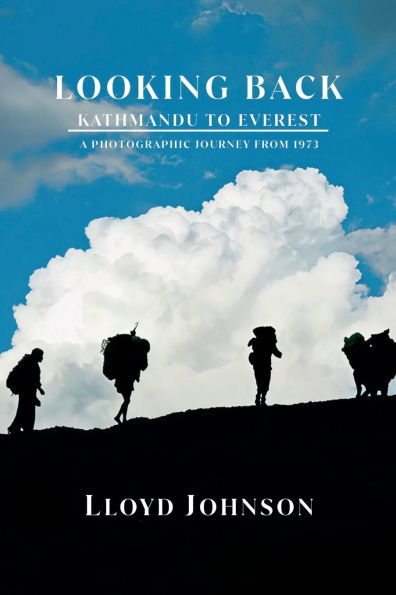
Looking Back Kathmandu to Everest: A Photographic Journey From 1973 in Chattanooga, TN
Current price: $25.99
Barnes and Noble
Looking Back Kathmandu to Everest: A Photographic Journey From 1973 in Chattanooga, TN
Current price: $25.99
Loading Inventory...
Size: Hardcover
Seventy million years ago a collision of two continents in Asia birthed the Himalayas, a mountain range that spans both Nepal and China. The 29,028 foot Mount Everest is the highest mountain on Earth and given its harsh climate, incomprehensible height, and dangerous summit, its presence commands enly the greatest respect and awe of those who come before it
The first known inhabitants of Nepal date back 9,000 yeam. During the 11th century, Indian influence resulted in the growth of Hinduism throughout the country. In 1814, the threat of British imperialism led to the Anglo-Nepalese Wat, which resulted in British ownership of the Terrai and Sikkim and the rise of the Rana administration.
Nepal eventually gained its independence from Britain in 1923 and remained under Rana rule until the 1950s, during which time a policy of isolation was favored by the government. Perhaps this explains why Lloyd Johnson likens his experience in Nepal to "stepping back in time." Despite this isolationism, since the first ascent of Everest drew attention to the area, the region has become an increasingly popular destination for trekkers, climbers, and tourists.
In 1973, when Johnson visited Nepal at the suggestion of a fellow photographer, he got the chance to witness a country that visitors today can only dream of.
Over a period of three weeks, Johnson trekked in Kathmandu, Lamosangu, and the Khumbu region, all areas through which climbers pass on their way to the summit of Everest. His jour ney led him through small villages, monasteries, marketplaces. beautiful scenery and into a life completely different from the modern world in which we live today.
With over 200 images, this photographic journal chronicles Johnson's adventurous trek.
The first known inhabitants of Nepal date back 9,000 yeam. During the 11th century, Indian influence resulted in the growth of Hinduism throughout the country. In 1814, the threat of British imperialism led to the Anglo-Nepalese Wat, which resulted in British ownership of the Terrai and Sikkim and the rise of the Rana administration.
Nepal eventually gained its independence from Britain in 1923 and remained under Rana rule until the 1950s, during which time a policy of isolation was favored by the government. Perhaps this explains why Lloyd Johnson likens his experience in Nepal to "stepping back in time." Despite this isolationism, since the first ascent of Everest drew attention to the area, the region has become an increasingly popular destination for trekkers, climbers, and tourists.
In 1973, when Johnson visited Nepal at the suggestion of a fellow photographer, he got the chance to witness a country that visitors today can only dream of.
Over a period of three weeks, Johnson trekked in Kathmandu, Lamosangu, and the Khumbu region, all areas through which climbers pass on their way to the summit of Everest. His jour ney led him through small villages, monasteries, marketplaces. beautiful scenery and into a life completely different from the modern world in which we live today.
With over 200 images, this photographic journal chronicles Johnson's adventurous trek.
Seventy million years ago a collision of two continents in Asia birthed the Himalayas, a mountain range that spans both Nepal and China. The 29,028 foot Mount Everest is the highest mountain on Earth and given its harsh climate, incomprehensible height, and dangerous summit, its presence commands enly the greatest respect and awe of those who come before it
The first known inhabitants of Nepal date back 9,000 yeam. During the 11th century, Indian influence resulted in the growth of Hinduism throughout the country. In 1814, the threat of British imperialism led to the Anglo-Nepalese Wat, which resulted in British ownership of the Terrai and Sikkim and the rise of the Rana administration.
Nepal eventually gained its independence from Britain in 1923 and remained under Rana rule until the 1950s, during which time a policy of isolation was favored by the government. Perhaps this explains why Lloyd Johnson likens his experience in Nepal to "stepping back in time." Despite this isolationism, since the first ascent of Everest drew attention to the area, the region has become an increasingly popular destination for trekkers, climbers, and tourists.
In 1973, when Johnson visited Nepal at the suggestion of a fellow photographer, he got the chance to witness a country that visitors today can only dream of.
Over a period of three weeks, Johnson trekked in Kathmandu, Lamosangu, and the Khumbu region, all areas through which climbers pass on their way to the summit of Everest. His jour ney led him through small villages, monasteries, marketplaces. beautiful scenery and into a life completely different from the modern world in which we live today.
With over 200 images, this photographic journal chronicles Johnson's adventurous trek.
The first known inhabitants of Nepal date back 9,000 yeam. During the 11th century, Indian influence resulted in the growth of Hinduism throughout the country. In 1814, the threat of British imperialism led to the Anglo-Nepalese Wat, which resulted in British ownership of the Terrai and Sikkim and the rise of the Rana administration.
Nepal eventually gained its independence from Britain in 1923 and remained under Rana rule until the 1950s, during which time a policy of isolation was favored by the government. Perhaps this explains why Lloyd Johnson likens his experience in Nepal to "stepping back in time." Despite this isolationism, since the first ascent of Everest drew attention to the area, the region has become an increasingly popular destination for trekkers, climbers, and tourists.
In 1973, when Johnson visited Nepal at the suggestion of a fellow photographer, he got the chance to witness a country that visitors today can only dream of.
Over a period of three weeks, Johnson trekked in Kathmandu, Lamosangu, and the Khumbu region, all areas through which climbers pass on their way to the summit of Everest. His jour ney led him through small villages, monasteries, marketplaces. beautiful scenery and into a life completely different from the modern world in which we live today.
With over 200 images, this photographic journal chronicles Johnson's adventurous trek.
You May Also Like












More About Barnes and Noble at Hamilton Place
Barnes & Noble is the world’s largest retail bookseller and a leading retailer of content, digital media and educational products. Our Nook Digital business offers a lineup of NOOK® tablets and e-Readers and an expansive collection of digital reading content through the NOOK Store®. Barnes & Noble’s mission is to operate the best omni-channel specialty retail business in America, helping both our customers and booksellers reach their aspirations, while being a credit to the communities we serve.
2100 Hamilton Pl Blvd, Chattanooga, TN 37421, United States
Find Barnes and Noble at Hamilton Place in Chattanooga, TN
Visit Barnes and Noble at Hamilton Place in Chattanooga, TN
