
Home
Living With Loss: Facing Grief and Adversity In a Society That Doesn't Understand
Barnes and Noble
Loading Inventory...
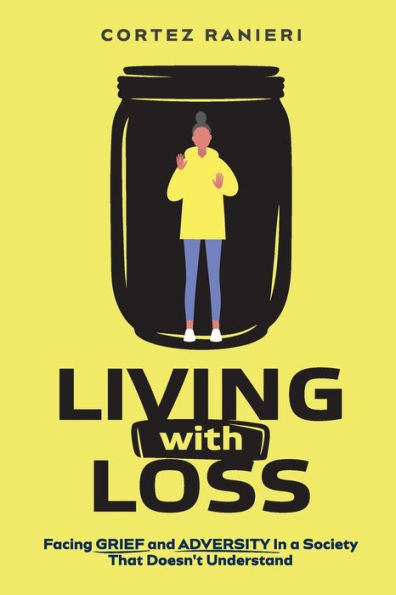
Living With Loss: Facing Grief and Adversity In a Society That Doesn't Understand in Chattanooga, TN
Current price: $14.99
Barnes and Noble
Living With Loss: Facing Grief and Adversity In a Society That Doesn't Understand in Chattanooga, TN
Current price: $14.99
Loading Inventory...
Size: OS
It's OK Not To Be OK: How To Cope With Grief and Anger After The Loss of A Loved One
We live in a fast-paced, almost frantic world.
Every day, we rush to work, we rush home, and we create timetables by which we live because there are simply not enough hours in a day.
When you get sick, you get a few days off from work (if that), and you're expected to bounce back in a flash.
When you break up with someone and feel like your world is crashing around you, the bosses don't care, and your friends tell you to forget about it and move on.
So what happens when you have to go through the hardest experience in life - the loss of a loved one?
Is there a timetable for mourning?
Everyone who has ever lost someone will tell you that, sadly, there is. You are expected to bounce back after a certain time as if your emotions work like a button.
This is simply the society we created, and sometimes, it backfires on us.
But here's a piece of news to ease your mind and soul: no matter what society tells you, you have the right to mourn as long as you want, in any way you want.
Grief isn't tangible, nor can it be measured or standardized.
The best thing you can do is give yourself time.
The second best thing you should do for yourself is
to get to know your grief
.
Once you delve deep into it, once you get a grasp on all those emotions you're feeling, you'll be able to live with them, overcome some of them, and ultimately, move on.
In
Living With Loss
, you'll discover:
8+ most common misconceptions about grief
debunked and rationalized, to take away your guilt from not playing by society's rules
The physical, emotional, and behavioral symptoms of grief
that will make you understand what both your body and mind are going through
A guide through the 5 stages of grief
to help you discover why you're feeling a certain way, as well as figure out how to get through it
How and why
the ancient wisdom of stoicism
can ease your grieving process and change your outlook on life and death
Why
avoidance can be your biggest enemy
, and how to stop avoiding your emotions while in mourning
Solutions for dealing with anger, to help you understand the emotion and stop it from making you bitter and resentful
How to use the Wim-Hof Method
to work through your grief and bring balance back into your life
And much more.
Dealing with the loss of a loved one is usually what people think about when grief is mentioned.
But grief has many faces. It can consume you when you lose your job, your faith, or when you go through a change in lifestyle.
Whatever the reason, the heavy emotional state of grief needs to be worked on.
So give yourself permission to mourn and take your time.
If you're determined not to let your grief consume you and take control over your life, then scroll up and click the "Add to Cart" button right now.
We live in a fast-paced, almost frantic world.
Every day, we rush to work, we rush home, and we create timetables by which we live because there are simply not enough hours in a day.
When you get sick, you get a few days off from work (if that), and you're expected to bounce back in a flash.
When you break up with someone and feel like your world is crashing around you, the bosses don't care, and your friends tell you to forget about it and move on.
So what happens when you have to go through the hardest experience in life - the loss of a loved one?
Is there a timetable for mourning?
Everyone who has ever lost someone will tell you that, sadly, there is. You are expected to bounce back after a certain time as if your emotions work like a button.
This is simply the society we created, and sometimes, it backfires on us.
But here's a piece of news to ease your mind and soul: no matter what society tells you, you have the right to mourn as long as you want, in any way you want.
Grief isn't tangible, nor can it be measured or standardized.
The best thing you can do is give yourself time.
The second best thing you should do for yourself is
to get to know your grief
.
Once you delve deep into it, once you get a grasp on all those emotions you're feeling, you'll be able to live with them, overcome some of them, and ultimately, move on.
In
Living With Loss
, you'll discover:
8+ most common misconceptions about grief
debunked and rationalized, to take away your guilt from not playing by society's rules
The physical, emotional, and behavioral symptoms of grief
that will make you understand what both your body and mind are going through
A guide through the 5 stages of grief
to help you discover why you're feeling a certain way, as well as figure out how to get through it
How and why
the ancient wisdom of stoicism
can ease your grieving process and change your outlook on life and death
Why
avoidance can be your biggest enemy
, and how to stop avoiding your emotions while in mourning
Solutions for dealing with anger, to help you understand the emotion and stop it from making you bitter and resentful
How to use the Wim-Hof Method
to work through your grief and bring balance back into your life
And much more.
Dealing with the loss of a loved one is usually what people think about when grief is mentioned.
But grief has many faces. It can consume you when you lose your job, your faith, or when you go through a change in lifestyle.
Whatever the reason, the heavy emotional state of grief needs to be worked on.
So give yourself permission to mourn and take your time.
If you're determined not to let your grief consume you and take control over your life, then scroll up and click the "Add to Cart" button right now.
It's OK Not To Be OK: How To Cope With Grief and Anger After The Loss of A Loved One
We live in a fast-paced, almost frantic world.
Every day, we rush to work, we rush home, and we create timetables by which we live because there are simply not enough hours in a day.
When you get sick, you get a few days off from work (if that), and you're expected to bounce back in a flash.
When you break up with someone and feel like your world is crashing around you, the bosses don't care, and your friends tell you to forget about it and move on.
So what happens when you have to go through the hardest experience in life - the loss of a loved one?
Is there a timetable for mourning?
Everyone who has ever lost someone will tell you that, sadly, there is. You are expected to bounce back after a certain time as if your emotions work like a button.
This is simply the society we created, and sometimes, it backfires on us.
But here's a piece of news to ease your mind and soul: no matter what society tells you, you have the right to mourn as long as you want, in any way you want.
Grief isn't tangible, nor can it be measured or standardized.
The best thing you can do is give yourself time.
The second best thing you should do for yourself is
to get to know your grief
.
Once you delve deep into it, once you get a grasp on all those emotions you're feeling, you'll be able to live with them, overcome some of them, and ultimately, move on.
In
Living With Loss
, you'll discover:
8+ most common misconceptions about grief
debunked and rationalized, to take away your guilt from not playing by society's rules
The physical, emotional, and behavioral symptoms of grief
that will make you understand what both your body and mind are going through
A guide through the 5 stages of grief
to help you discover why you're feeling a certain way, as well as figure out how to get through it
How and why
the ancient wisdom of stoicism
can ease your grieving process and change your outlook on life and death
Why
avoidance can be your biggest enemy
, and how to stop avoiding your emotions while in mourning
Solutions for dealing with anger, to help you understand the emotion and stop it from making you bitter and resentful
How to use the Wim-Hof Method
to work through your grief and bring balance back into your life
And much more.
Dealing with the loss of a loved one is usually what people think about when grief is mentioned.
But grief has many faces. It can consume you when you lose your job, your faith, or when you go through a change in lifestyle.
Whatever the reason, the heavy emotional state of grief needs to be worked on.
So give yourself permission to mourn and take your time.
If you're determined not to let your grief consume you and take control over your life, then scroll up and click the "Add to Cart" button right now.
We live in a fast-paced, almost frantic world.
Every day, we rush to work, we rush home, and we create timetables by which we live because there are simply not enough hours in a day.
When you get sick, you get a few days off from work (if that), and you're expected to bounce back in a flash.
When you break up with someone and feel like your world is crashing around you, the bosses don't care, and your friends tell you to forget about it and move on.
So what happens when you have to go through the hardest experience in life - the loss of a loved one?
Is there a timetable for mourning?
Everyone who has ever lost someone will tell you that, sadly, there is. You are expected to bounce back after a certain time as if your emotions work like a button.
This is simply the society we created, and sometimes, it backfires on us.
But here's a piece of news to ease your mind and soul: no matter what society tells you, you have the right to mourn as long as you want, in any way you want.
Grief isn't tangible, nor can it be measured or standardized.
The best thing you can do is give yourself time.
The second best thing you should do for yourself is
to get to know your grief
.
Once you delve deep into it, once you get a grasp on all those emotions you're feeling, you'll be able to live with them, overcome some of them, and ultimately, move on.
In
Living With Loss
, you'll discover:
8+ most common misconceptions about grief
debunked and rationalized, to take away your guilt from not playing by society's rules
The physical, emotional, and behavioral symptoms of grief
that will make you understand what both your body and mind are going through
A guide through the 5 stages of grief
to help you discover why you're feeling a certain way, as well as figure out how to get through it
How and why
the ancient wisdom of stoicism
can ease your grieving process and change your outlook on life and death
Why
avoidance can be your biggest enemy
, and how to stop avoiding your emotions while in mourning
Solutions for dealing with anger, to help you understand the emotion and stop it from making you bitter and resentful
How to use the Wim-Hof Method
to work through your grief and bring balance back into your life
And much more.
Dealing with the loss of a loved one is usually what people think about when grief is mentioned.
But grief has many faces. It can consume you when you lose your job, your faith, or when you go through a change in lifestyle.
Whatever the reason, the heavy emotional state of grief needs to be worked on.
So give yourself permission to mourn and take your time.
If you're determined not to let your grief consume you and take control over your life, then scroll up and click the "Add to Cart" button right now.
You May Also Like













More About Barnes and Noble at Hamilton Place
Barnes & Noble is the world’s largest retail bookseller and a leading retailer of content, digital media and educational products. Our Nook Digital business offers a lineup of NOOK® tablets and e-Readers and an expansive collection of digital reading content through the NOOK Store®. Barnes & Noble’s mission is to operate the best omni-channel specialty retail business in America, helping both our customers and booksellers reach their aspirations, while being a credit to the communities we serve.
2100 Hamilton Pl Blvd, Chattanooga, TN 37421, United States
Find Barnes and Noble at Hamilton Place in Chattanooga, TN
Visit Barnes and Noble at Hamilton Place in Chattanooga, TN
