
Home
Live in Chicago, 1999
Barnes and Noble
Loading Inventory...
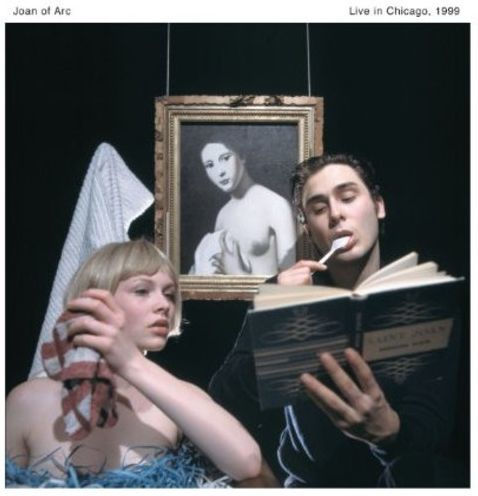
Live in Chicago, 1999 in Chattanooga, TN
Current price: $32.99
Barnes and Noble
Live in Chicago, 1999 in Chattanooga, TN
Current price: $32.99
Loading Inventory...
Size: OS
Say what you want about
Tim Kinsella
's voice, but his is an instrument capable of producing beautiful music both in and out of tune, sung or screamed. His lyrics are smarter and, at times, more sincere than most of the typical sentiments projected by American indie rock. It's clear the guy knows what he's doing, but too often on
Joan Of Arc
's new album
Live in Chicago, 1999
, one wishes
Kinsella
would just allow himself to rock out. Part of the charm of
Joan of Arc
's excellent
How Memory Works
album was
's ability to see the humor in his own obliquely worded observations.
Indeed, a number of songs on
Live
suggest that the band, here pared down to a trio and receiving across-the-board assistance from engineer
Casey Rice
, is offering its own inside-joke take on the highbrow music scene of its Chicago hometown. But
seems overly concerned with keeping a straight face -- an attitude which extends to the song titles (figure out what, if anything,
"When the Parish School Dismissed and the Children Running Sing"
means), the cultural name-dropping in the lyrics, and the bizarre album art, that "re-creates" scenes from a 1967 French movie.
's music has always been arty and technologically enhanced, but on
the band signs away its spontaneity for overly long and slow songs absolutely awash in studio manipulation. For awhile, this new "sound" works fine, especially on the shyly pretty
"Who's Afraid Of Elizabeth Taylor?"
and the horn-tinged, groovy
"If It Feels/Good, Do It."
The aforementioned song about the parish school gets a lot of mileage out of a simple, acoustic melody and some low-key synths. The one other breakthrough is
"Me (Plural),"
a piano-driven, drum-rolling march that
sings with
Jen Wood
. This is
at his most sincere, playing into the the stereotypes placed on him by others: "I'm left confusing me / for who you think I am." But for the most part,
downshifts at the slightest threat of picking up a musical head of steam, which is unfortunate for a band usually so energetic. The
Trans Am
-esque drumming at the beginning of
"(In Fact I'm) Pioneering New Emotions"
gets quickly dragged into a plodding folk tempo that uses
Peetie Wheatstraw
as a metaphor for lifelong happiness -- that oughta send the emo kids running to the blues section.
"Better De'd Than Read"
is an OK acoustic guitar instrumental, but it's on songs like this and the brittle album closer
"All Until the Greens Reveal Themselves at Dawn"
that the band reveals an unhealthy resemblance to
Gastr del Sol
, repeating passages over and over to little effect. It's hard to begrudge
's desire for sophistication, but when it comes at the expense of the qualities that previously made
so rewarding, one wonders if it's a worthwhile trade-off. ~ Jonathan Cohen
Tim Kinsella
's voice, but his is an instrument capable of producing beautiful music both in and out of tune, sung or screamed. His lyrics are smarter and, at times, more sincere than most of the typical sentiments projected by American indie rock. It's clear the guy knows what he's doing, but too often on
Joan Of Arc
's new album
Live in Chicago, 1999
, one wishes
Kinsella
would just allow himself to rock out. Part of the charm of
Joan of Arc
's excellent
How Memory Works
album was
's ability to see the humor in his own obliquely worded observations.
Indeed, a number of songs on
Live
suggest that the band, here pared down to a trio and receiving across-the-board assistance from engineer
Casey Rice
, is offering its own inside-joke take on the highbrow music scene of its Chicago hometown. But
seems overly concerned with keeping a straight face -- an attitude which extends to the song titles (figure out what, if anything,
"When the Parish School Dismissed and the Children Running Sing"
means), the cultural name-dropping in the lyrics, and the bizarre album art, that "re-creates" scenes from a 1967 French movie.
's music has always been arty and technologically enhanced, but on
the band signs away its spontaneity for overly long and slow songs absolutely awash in studio manipulation. For awhile, this new "sound" works fine, especially on the shyly pretty
"Who's Afraid Of Elizabeth Taylor?"
and the horn-tinged, groovy
"If It Feels/Good, Do It."
The aforementioned song about the parish school gets a lot of mileage out of a simple, acoustic melody and some low-key synths. The one other breakthrough is
"Me (Plural),"
a piano-driven, drum-rolling march that
sings with
Jen Wood
. This is
at his most sincere, playing into the the stereotypes placed on him by others: "I'm left confusing me / for who you think I am." But for the most part,
downshifts at the slightest threat of picking up a musical head of steam, which is unfortunate for a band usually so energetic. The
Trans Am
-esque drumming at the beginning of
"(In Fact I'm) Pioneering New Emotions"
gets quickly dragged into a plodding folk tempo that uses
Peetie Wheatstraw
as a metaphor for lifelong happiness -- that oughta send the emo kids running to the blues section.
"Better De'd Than Read"
is an OK acoustic guitar instrumental, but it's on songs like this and the brittle album closer
"All Until the Greens Reveal Themselves at Dawn"
that the band reveals an unhealthy resemblance to
Gastr del Sol
, repeating passages over and over to little effect. It's hard to begrudge
's desire for sophistication, but when it comes at the expense of the qualities that previously made
so rewarding, one wonders if it's a worthwhile trade-off. ~ Jonathan Cohen
Say what you want about
Tim Kinsella
's voice, but his is an instrument capable of producing beautiful music both in and out of tune, sung or screamed. His lyrics are smarter and, at times, more sincere than most of the typical sentiments projected by American indie rock. It's clear the guy knows what he's doing, but too often on
Joan Of Arc
's new album
Live in Chicago, 1999
, one wishes
Kinsella
would just allow himself to rock out. Part of the charm of
Joan of Arc
's excellent
How Memory Works
album was
's ability to see the humor in his own obliquely worded observations.
Indeed, a number of songs on
Live
suggest that the band, here pared down to a trio and receiving across-the-board assistance from engineer
Casey Rice
, is offering its own inside-joke take on the highbrow music scene of its Chicago hometown. But
seems overly concerned with keeping a straight face -- an attitude which extends to the song titles (figure out what, if anything,
"When the Parish School Dismissed and the Children Running Sing"
means), the cultural name-dropping in the lyrics, and the bizarre album art, that "re-creates" scenes from a 1967 French movie.
's music has always been arty and technologically enhanced, but on
the band signs away its spontaneity for overly long and slow songs absolutely awash in studio manipulation. For awhile, this new "sound" works fine, especially on the shyly pretty
"Who's Afraid Of Elizabeth Taylor?"
and the horn-tinged, groovy
"If It Feels/Good, Do It."
The aforementioned song about the parish school gets a lot of mileage out of a simple, acoustic melody and some low-key synths. The one other breakthrough is
"Me (Plural),"
a piano-driven, drum-rolling march that
sings with
Jen Wood
. This is
at his most sincere, playing into the the stereotypes placed on him by others: "I'm left confusing me / for who you think I am." But for the most part,
downshifts at the slightest threat of picking up a musical head of steam, which is unfortunate for a band usually so energetic. The
Trans Am
-esque drumming at the beginning of
"(In Fact I'm) Pioneering New Emotions"
gets quickly dragged into a plodding folk tempo that uses
Peetie Wheatstraw
as a metaphor for lifelong happiness -- that oughta send the emo kids running to the blues section.
"Better De'd Than Read"
is an OK acoustic guitar instrumental, but it's on songs like this and the brittle album closer
"All Until the Greens Reveal Themselves at Dawn"
that the band reveals an unhealthy resemblance to
Gastr del Sol
, repeating passages over and over to little effect. It's hard to begrudge
's desire for sophistication, but when it comes at the expense of the qualities that previously made
so rewarding, one wonders if it's a worthwhile trade-off. ~ Jonathan Cohen
Tim Kinsella
's voice, but his is an instrument capable of producing beautiful music both in and out of tune, sung or screamed. His lyrics are smarter and, at times, more sincere than most of the typical sentiments projected by American indie rock. It's clear the guy knows what he's doing, but too often on
Joan Of Arc
's new album
Live in Chicago, 1999
, one wishes
Kinsella
would just allow himself to rock out. Part of the charm of
Joan of Arc
's excellent
How Memory Works
album was
's ability to see the humor in his own obliquely worded observations.
Indeed, a number of songs on
Live
suggest that the band, here pared down to a trio and receiving across-the-board assistance from engineer
Casey Rice
, is offering its own inside-joke take on the highbrow music scene of its Chicago hometown. But
seems overly concerned with keeping a straight face -- an attitude which extends to the song titles (figure out what, if anything,
"When the Parish School Dismissed and the Children Running Sing"
means), the cultural name-dropping in the lyrics, and the bizarre album art, that "re-creates" scenes from a 1967 French movie.
's music has always been arty and technologically enhanced, but on
the band signs away its spontaneity for overly long and slow songs absolutely awash in studio manipulation. For awhile, this new "sound" works fine, especially on the shyly pretty
"Who's Afraid Of Elizabeth Taylor?"
and the horn-tinged, groovy
"If It Feels/Good, Do It."
The aforementioned song about the parish school gets a lot of mileage out of a simple, acoustic melody and some low-key synths. The one other breakthrough is
"Me (Plural),"
a piano-driven, drum-rolling march that
sings with
Jen Wood
. This is
at his most sincere, playing into the the stereotypes placed on him by others: "I'm left confusing me / for who you think I am." But for the most part,
downshifts at the slightest threat of picking up a musical head of steam, which is unfortunate for a band usually so energetic. The
Trans Am
-esque drumming at the beginning of
"(In Fact I'm) Pioneering New Emotions"
gets quickly dragged into a plodding folk tempo that uses
Peetie Wheatstraw
as a metaphor for lifelong happiness -- that oughta send the emo kids running to the blues section.
"Better De'd Than Read"
is an OK acoustic guitar instrumental, but it's on songs like this and the brittle album closer
"All Until the Greens Reveal Themselves at Dawn"
that the band reveals an unhealthy resemblance to
Gastr del Sol
, repeating passages over and over to little effect. It's hard to begrudge
's desire for sophistication, but when it comes at the expense of the qualities that previously made
so rewarding, one wonders if it's a worthwhile trade-off. ~ Jonathan Cohen
You May Also Like
![I'm Not Broken (Live From Topeka Correctional Facility) [Barnes & Noble Exclusive Glow The Dark Blue 2 LP]](https://prodimage.images-bn.com/pimages/0015047811663_p0_v1_s600x595.jpg)

![The The Eagle Has Landed [Live] [1999 Remaster]](https://prodimage.images-bn.com/pimages/4050538408843_p0_v1_s600x595.jpg)
![Ben Folds Live With The National Sym Orch [Gold Vinyl] [Signed] [Barnes & Noble Exclusive]](https://prodimage.images-bn.com/pimages/0810038862149_p0_v2_s600x595.jpg)










More About Barnes and Noble at Hamilton Place
Barnes & Noble is the world’s largest retail bookseller and a leading retailer of content, digital media and educational products. Our Nook Digital business offers a lineup of NOOK® tablets and e-Readers and an expansive collection of digital reading content through the NOOK Store®. Barnes & Noble’s mission is to operate the best omni-channel specialty retail business in America, helping both our customers and booksellers reach their aspirations, while being a credit to the communities we serve.
2100 Hamilton Pl Blvd, Chattanooga, TN 37421, United States
Find Barnes and Noble at Hamilton Place in Chattanooga, TN
Visit Barnes and Noble at Hamilton Place in Chattanooga, TN
