
Home
Life Writing After Empire
Barnes and Noble
Loading Inventory...
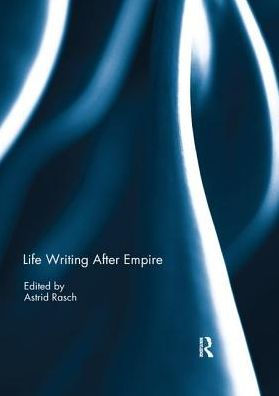
Life Writing After Empire in Chattanooga, TN
Current price: $220.00
Barnes and Noble
Life Writing After Empire in Chattanooga, TN
Current price: $220.00
Loading Inventory...
Size: Hardcover
A watershed moment of the twentieth century, the end of empire saw upheavals to global power structures and national identities. However, decolonisation profoundly affected individual subjectivities too.
Life Writing After Empire
examines how people around the globe have made sense of the post-imperial condition through the practice of life writing in its multifarious expressions, from auto/biography through travel writing to oral history and photography. Through interdisciplinary approaches that draw on literature and history alike, the contributors explore how we might approach these genres differently in order to understand how individual life writing reflects broader societal changes. From far-flung corners of the former British Empire, people have turned to life writing to manage painful or nostalgic memories, as well as to think about the past and future of the nation anew through the personal experience. In a range of innovative and insightful contributions, some of the foremost scholars of the field challenge the way we think about narrative, memory and identity after empire. This book was originally published as a special issue of
Life Writing.
Life Writing After Empire
examines how people around the globe have made sense of the post-imperial condition through the practice of life writing in its multifarious expressions, from auto/biography through travel writing to oral history and photography. Through interdisciplinary approaches that draw on literature and history alike, the contributors explore how we might approach these genres differently in order to understand how individual life writing reflects broader societal changes. From far-flung corners of the former British Empire, people have turned to life writing to manage painful or nostalgic memories, as well as to think about the past and future of the nation anew through the personal experience. In a range of innovative and insightful contributions, some of the foremost scholars of the field challenge the way we think about narrative, memory and identity after empire. This book was originally published as a special issue of
Life Writing.
A watershed moment of the twentieth century, the end of empire saw upheavals to global power structures and national identities. However, decolonisation profoundly affected individual subjectivities too.
Life Writing After Empire
examines how people around the globe have made sense of the post-imperial condition through the practice of life writing in its multifarious expressions, from auto/biography through travel writing to oral history and photography. Through interdisciplinary approaches that draw on literature and history alike, the contributors explore how we might approach these genres differently in order to understand how individual life writing reflects broader societal changes. From far-flung corners of the former British Empire, people have turned to life writing to manage painful or nostalgic memories, as well as to think about the past and future of the nation anew through the personal experience. In a range of innovative and insightful contributions, some of the foremost scholars of the field challenge the way we think about narrative, memory and identity after empire. This book was originally published as a special issue of
Life Writing.
Life Writing After Empire
examines how people around the globe have made sense of the post-imperial condition through the practice of life writing in its multifarious expressions, from auto/biography through travel writing to oral history and photography. Through interdisciplinary approaches that draw on literature and history alike, the contributors explore how we might approach these genres differently in order to understand how individual life writing reflects broader societal changes. From far-flung corners of the former British Empire, people have turned to life writing to manage painful or nostalgic memories, as well as to think about the past and future of the nation anew through the personal experience. In a range of innovative and insightful contributions, some of the foremost scholars of the field challenge the way we think about narrative, memory and identity after empire. This book was originally published as a special issue of
Life Writing.
You May Also Like









More About Barnes and Noble at Hamilton Place
Barnes & Noble is the world’s largest retail bookseller and a leading retailer of content, digital media and educational products. Our Nook Digital business offers a lineup of NOOK® tablets and e-Readers and an expansive collection of digital reading content through the NOOK Store®. Barnes & Noble’s mission is to operate the best omni-channel specialty retail business in America, helping both our customers and booksellers reach their aspirations, while being a credit to the communities we serve.
2100 Hamilton Pl Blvd, Chattanooga, TN 37421, United States
Find Barnes and Noble at Hamilton Place in Chattanooga, TN
Visit Barnes and Noble at Hamilton Place in Chattanooga, TN
