
Home
Leading with the Chin: Writing American Masculinities Esquire, 1960-1989
Barnes and Noble
Loading Inventory...
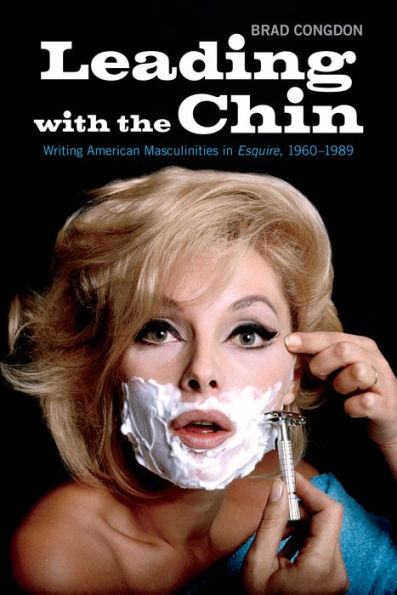
Leading with the Chin: Writing American Masculinities Esquire, 1960-1989 in Chattanooga, TN
Current price: $39.95
Barnes and Noble
Leading with the Chin: Writing American Masculinities Esquire, 1960-1989 in Chattanooga, TN
Current price: $39.95
Loading Inventory...
Size: Paperback
Leading with the Chin
focuses on the
Esquire
writings of James Baldwin, Truman Capote, Raymond Carver, Don DeLillo, Norman Mailer, and Tim O’Brien to examine how these authors negotiated important shifts in American masculinity. Using the works of these six authors as case studies,
argues that
permitted writers to confront national fantasies of American masculinity as they were impacted by the rise of neoliberalism, civil rights and gay rights, and the cultural dominance of the professional-managerial class.
Applying the methodologies of periodical studies and the theoretical concerns of masculinity studies, this book recontextualizes the prose and fiction of these authors by analyzing them in the material context of the magazine. Relating each author’s articulation of masculinity to the advertisements, editorials, and articles published in each issue,
shows that
reflected and helped to shape the forces that structured American masculinity in the twentieth century.
focuses on the
Esquire
writings of James Baldwin, Truman Capote, Raymond Carver, Don DeLillo, Norman Mailer, and Tim O’Brien to examine how these authors negotiated important shifts in American masculinity. Using the works of these six authors as case studies,
argues that
permitted writers to confront national fantasies of American masculinity as they were impacted by the rise of neoliberalism, civil rights and gay rights, and the cultural dominance of the professional-managerial class.
Applying the methodologies of periodical studies and the theoretical concerns of masculinity studies, this book recontextualizes the prose and fiction of these authors by analyzing them in the material context of the magazine. Relating each author’s articulation of masculinity to the advertisements, editorials, and articles published in each issue,
shows that
reflected and helped to shape the forces that structured American masculinity in the twentieth century.
Leading with the Chin
focuses on the
Esquire
writings of James Baldwin, Truman Capote, Raymond Carver, Don DeLillo, Norman Mailer, and Tim O’Brien to examine how these authors negotiated important shifts in American masculinity. Using the works of these six authors as case studies,
argues that
permitted writers to confront national fantasies of American masculinity as they were impacted by the rise of neoliberalism, civil rights and gay rights, and the cultural dominance of the professional-managerial class.
Applying the methodologies of periodical studies and the theoretical concerns of masculinity studies, this book recontextualizes the prose and fiction of these authors by analyzing them in the material context of the magazine. Relating each author’s articulation of masculinity to the advertisements, editorials, and articles published in each issue,
shows that
reflected and helped to shape the forces that structured American masculinity in the twentieth century.
focuses on the
Esquire
writings of James Baldwin, Truman Capote, Raymond Carver, Don DeLillo, Norman Mailer, and Tim O’Brien to examine how these authors negotiated important shifts in American masculinity. Using the works of these six authors as case studies,
argues that
permitted writers to confront national fantasies of American masculinity as they were impacted by the rise of neoliberalism, civil rights and gay rights, and the cultural dominance of the professional-managerial class.
Applying the methodologies of periodical studies and the theoretical concerns of masculinity studies, this book recontextualizes the prose and fiction of these authors by analyzing them in the material context of the magazine. Relating each author’s articulation of masculinity to the advertisements, editorials, and articles published in each issue,
shows that
reflected and helped to shape the forces that structured American masculinity in the twentieth century.
You May Also Like


















More About Barnes and Noble at Hamilton Place
Barnes & Noble is the world’s largest retail bookseller and a leading retailer of content, digital media and educational products. Our Nook Digital business offers a lineup of NOOK® tablets and e-Readers and an expansive collection of digital reading content through the NOOK Store®. Barnes & Noble’s mission is to operate the best omni-channel specialty retail business in America, helping both our customers and booksellers reach their aspirations, while being a credit to the communities we serve.
2100 Hamilton Pl Blvd, Chattanooga, TN 37421, United States
Find Barnes and Noble at Hamilton Place in Chattanooga, TN
Visit Barnes and Noble at Hamilton Place in Chattanooga, TN
