
Home
Laughing Back at Empire: The Grassroots Activism of Asianadian Magazine, 1978-1985
Barnes and Noble
Loading Inventory...
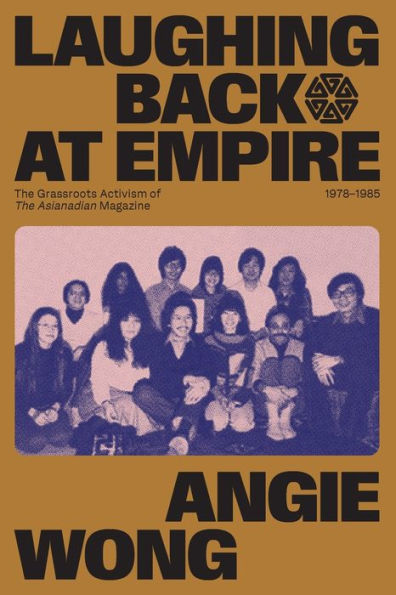
Laughing Back at Empire: The Grassroots Activism of Asianadian Magazine, 1978-1985 in Chattanooga, TN
Current price: $27.95
Barnes and Noble
Laughing Back at Empire: The Grassroots Activism of Asianadian Magazine, 1978-1985 in Chattanooga, TN
Current price: $27.95
Loading Inventory...
Size: Paperback
Asian Canadian activism, resistance, and art of the 1970s and 80s
Laughing Back at Empire
is a groundbreaking examination of
The Asianadian
, one of Canada’s first antiracist, anti sexist, and antihomophobic magazines. Over the course of its sevenyear run, the small but mighty magazine led a nationwide dialogue for all Canadians on the struggles and social issues that concerned Asians in Canada.
established a national platform for thenemerging Asian Canadian writers, artists, musicians, activists, and scholars like Sky Lee, Jim WongChu, Joy Kogawa, Himani Bannerji, and Paul Yee. Columns like “On the Firing Line” and the “Dubious Achievement Awards” provided space to laugh back at the embarrassing concoction of Orientalist stereotypes in the media and to critique inconsistencies and superficialities within Canada’s newfound multicultural image.
Situating the story of
within the history of Canada, Angie Wong celebrates and builds on the work of its creators from the Asianadian Resource Workshop. Extensive interview material with the cofounding members, editors, volunteers, readers, and contributors captures their dedication and spirit of antiracist collectivism.
Wong’s analysis helps to dismantle cultural assumptions that have relegated Asian Canadian history, contributions, and injustices to the periphery of Canadian experience and identity. On the heels of the COVID19 pandemic and a resurgence of antiAsian racism,
Laughing Back at Empire
amplifies the voices that speak, shout, and laugh together at empire’s selfcongratulatory and exclusionary narratives.
Laughing Back at Empire
is a groundbreaking examination of
The Asianadian
, one of Canada’s first antiracist, anti sexist, and antihomophobic magazines. Over the course of its sevenyear run, the small but mighty magazine led a nationwide dialogue for all Canadians on the struggles and social issues that concerned Asians in Canada.
established a national platform for thenemerging Asian Canadian writers, artists, musicians, activists, and scholars like Sky Lee, Jim WongChu, Joy Kogawa, Himani Bannerji, and Paul Yee. Columns like “On the Firing Line” and the “Dubious Achievement Awards” provided space to laugh back at the embarrassing concoction of Orientalist stereotypes in the media and to critique inconsistencies and superficialities within Canada’s newfound multicultural image.
Situating the story of
within the history of Canada, Angie Wong celebrates and builds on the work of its creators from the Asianadian Resource Workshop. Extensive interview material with the cofounding members, editors, volunteers, readers, and contributors captures their dedication and spirit of antiracist collectivism.
Wong’s analysis helps to dismantle cultural assumptions that have relegated Asian Canadian history, contributions, and injustices to the periphery of Canadian experience and identity. On the heels of the COVID19 pandemic and a resurgence of antiAsian racism,
Laughing Back at Empire
amplifies the voices that speak, shout, and laugh together at empire’s selfcongratulatory and exclusionary narratives.
Asian Canadian activism, resistance, and art of the 1970s and 80s
Laughing Back at Empire
is a groundbreaking examination of
The Asianadian
, one of Canada’s first antiracist, anti sexist, and antihomophobic magazines. Over the course of its sevenyear run, the small but mighty magazine led a nationwide dialogue for all Canadians on the struggles and social issues that concerned Asians in Canada.
established a national platform for thenemerging Asian Canadian writers, artists, musicians, activists, and scholars like Sky Lee, Jim WongChu, Joy Kogawa, Himani Bannerji, and Paul Yee. Columns like “On the Firing Line” and the “Dubious Achievement Awards” provided space to laugh back at the embarrassing concoction of Orientalist stereotypes in the media and to critique inconsistencies and superficialities within Canada’s newfound multicultural image.
Situating the story of
within the history of Canada, Angie Wong celebrates and builds on the work of its creators from the Asianadian Resource Workshop. Extensive interview material with the cofounding members, editors, volunteers, readers, and contributors captures their dedication and spirit of antiracist collectivism.
Wong’s analysis helps to dismantle cultural assumptions that have relegated Asian Canadian history, contributions, and injustices to the periphery of Canadian experience and identity. On the heels of the COVID19 pandemic and a resurgence of antiAsian racism,
Laughing Back at Empire
amplifies the voices that speak, shout, and laugh together at empire’s selfcongratulatory and exclusionary narratives.
Laughing Back at Empire
is a groundbreaking examination of
The Asianadian
, one of Canada’s first antiracist, anti sexist, and antihomophobic magazines. Over the course of its sevenyear run, the small but mighty magazine led a nationwide dialogue for all Canadians on the struggles and social issues that concerned Asians in Canada.
established a national platform for thenemerging Asian Canadian writers, artists, musicians, activists, and scholars like Sky Lee, Jim WongChu, Joy Kogawa, Himani Bannerji, and Paul Yee. Columns like “On the Firing Line” and the “Dubious Achievement Awards” provided space to laugh back at the embarrassing concoction of Orientalist stereotypes in the media and to critique inconsistencies and superficialities within Canada’s newfound multicultural image.
Situating the story of
within the history of Canada, Angie Wong celebrates and builds on the work of its creators from the Asianadian Resource Workshop. Extensive interview material with the cofounding members, editors, volunteers, readers, and contributors captures their dedication and spirit of antiracist collectivism.
Wong’s analysis helps to dismantle cultural assumptions that have relegated Asian Canadian history, contributions, and injustices to the periphery of Canadian experience and identity. On the heels of the COVID19 pandemic and a resurgence of antiAsian racism,
Laughing Back at Empire
amplifies the voices that speak, shout, and laugh together at empire’s selfcongratulatory and exclusionary narratives.
You May Also Like











More About Barnes and Noble at Hamilton Place
Barnes & Noble is the world’s largest retail bookseller and a leading retailer of content, digital media and educational products. Our Nook Digital business offers a lineup of NOOK® tablets and e-Readers and an expansive collection of digital reading content through the NOOK Store®. Barnes & Noble’s mission is to operate the best omni-channel specialty retail business in America, helping both our customers and booksellers reach their aspirations, while being a credit to the communities we serve.
2100 Hamilton Pl Blvd, Chattanooga, TN 37421, United States
Find Barnes and Noble at Hamilton Place in Chattanooga, TN
Visit Barnes and Noble at Hamilton Place in Chattanooga, TN