
Home
Language and the Construction of Multiple Identities Nigerian Novel
Barnes and Noble
Loading Inventory...
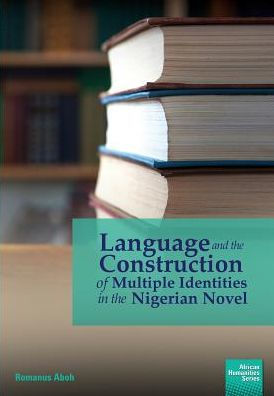
Language and the Construction of Multiple Identities Nigerian Novel in Chattanooga, TN
Current price: $40.43
Barnes and Noble
Language and the Construction of Multiple Identities Nigerian Novel in Chattanooga, TN
Current price: $40.43
Loading Inventory...
Size: Paperback
Language and the construction of multiple identities in the Nigerian novel
examines the multifaceted relation between people and the various identities they construct for themselves and for others through the context-specific ways they use language. Specifically, this book pays attention to how forms of identities - ethnic, cultural, national and gender - are constructed through the use of language in select novels of Adichie, Atta and Betiang. Employing an interdisciplinary approach, this book draws analytical insights from critical discourse analysis, literary discourse analysis and socio-ethno-linguistic analysis. This approach enables the author to engage with the novels, to illuminate the link between the ways Nigerians use language and the identities they construct. Being a context-driven analysis, this book critically scrutinises literary language beyond stylistic borders by interrogating the micro and macro levels of language use, a core analytical paradigm frequently used by discourse analysts who engage in critical discourse analysis.
examines the multifaceted relation between people and the various identities they construct for themselves and for others through the context-specific ways they use language. Specifically, this book pays attention to how forms of identities - ethnic, cultural, national and gender - are constructed through the use of language in select novels of Adichie, Atta and Betiang. Employing an interdisciplinary approach, this book draws analytical insights from critical discourse analysis, literary discourse analysis and socio-ethno-linguistic analysis. This approach enables the author to engage with the novels, to illuminate the link between the ways Nigerians use language and the identities they construct. Being a context-driven analysis, this book critically scrutinises literary language beyond stylistic borders by interrogating the micro and macro levels of language use, a core analytical paradigm frequently used by discourse analysts who engage in critical discourse analysis.
Language and the construction of multiple identities in the Nigerian novel
examines the multifaceted relation between people and the various identities they construct for themselves and for others through the context-specific ways they use language. Specifically, this book pays attention to how forms of identities - ethnic, cultural, national and gender - are constructed through the use of language in select novels of Adichie, Atta and Betiang. Employing an interdisciplinary approach, this book draws analytical insights from critical discourse analysis, literary discourse analysis and socio-ethno-linguistic analysis. This approach enables the author to engage with the novels, to illuminate the link between the ways Nigerians use language and the identities they construct. Being a context-driven analysis, this book critically scrutinises literary language beyond stylistic borders by interrogating the micro and macro levels of language use, a core analytical paradigm frequently used by discourse analysts who engage in critical discourse analysis.
examines the multifaceted relation between people and the various identities they construct for themselves and for others through the context-specific ways they use language. Specifically, this book pays attention to how forms of identities - ethnic, cultural, national and gender - are constructed through the use of language in select novels of Adichie, Atta and Betiang. Employing an interdisciplinary approach, this book draws analytical insights from critical discourse analysis, literary discourse analysis and socio-ethno-linguistic analysis. This approach enables the author to engage with the novels, to illuminate the link between the ways Nigerians use language and the identities they construct. Being a context-driven analysis, this book critically scrutinises literary language beyond stylistic borders by interrogating the micro and macro levels of language use, a core analytical paradigm frequently used by discourse analysts who engage in critical discourse analysis.
You May Also Like









More About Barnes and Noble at Hamilton Place
Barnes & Noble is the world’s largest retail bookseller and a leading retailer of content, digital media and educational products. Our Nook Digital business offers a lineup of NOOK® tablets and e-Readers and an expansive collection of digital reading content through the NOOK Store®. Barnes & Noble’s mission is to operate the best omni-channel specialty retail business in America, helping both our customers and booksellers reach their aspirations, while being a credit to the communities we serve.
2100 Hamilton Pl Blvd, Chattanooga, TN 37421, United States
Find Barnes and Noble at Hamilton Place in Chattanooga, TN
Visit Barnes and Noble at Hamilton Place in Chattanooga, TN
