
Home
Landscapes and the Augustan Revolution: Transformation of Western Provinces between Republic Early Empire
Barnes and Noble
Loading Inventory...
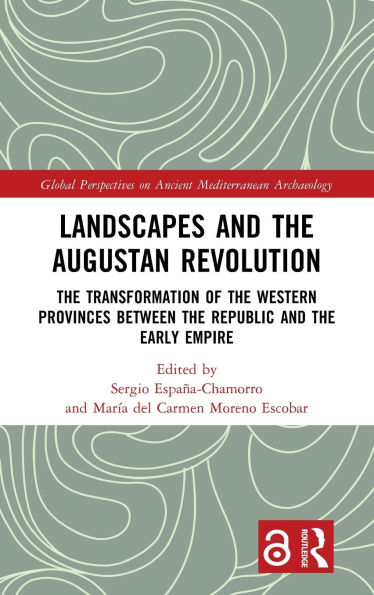
Landscapes and the Augustan Revolution: Transformation of Western Provinces between Republic Early Empire in Chattanooga, TN
Current price: $190.00
Barnes and Noble
Landscapes and the Augustan Revolution: Transformation of Western Provinces between Republic Early Empire in Chattanooga, TN
Current price: $190.00
Loading Inventory...
Size: Hardcover
This book centres on the transformation of landscapes, focusing on the Western Mediterranean during the end of the Roman Republic and the Early Roman Empire.
This volume brings together diverse contributions that utilise both theoretical and practical approaches from landscape studies and archaeology to examine the transitions to the Empire in the provincial landscapes of the western Roman Empire. Focusing on wider processes of change and continuity, identified through diverse approaches (e.g., settlement patterns, mobility and communication, and military expansion) and methods (e.g., spatial analysis, remote sensing, and GIS), the contributions highlight the profound socio-economic, political, and environmental factors whose interplay shaped the region. In doing so, the book underscores the agency of local communities in shaping their landscapes and their varied responses to Imperial policies, thus generating new insights into the processes of social and political change brought about by Augustan reforms and how these were implemented and experienced at the local level.
This book will be of interest to students and researchers of archaeology and ancient history, particularly those focused on Roman and landscape archaeology.
This volume brings together diverse contributions that utilise both theoretical and practical approaches from landscape studies and archaeology to examine the transitions to the Empire in the provincial landscapes of the western Roman Empire. Focusing on wider processes of change and continuity, identified through diverse approaches (e.g., settlement patterns, mobility and communication, and military expansion) and methods (e.g., spatial analysis, remote sensing, and GIS), the contributions highlight the profound socio-economic, political, and environmental factors whose interplay shaped the region. In doing so, the book underscores the agency of local communities in shaping their landscapes and their varied responses to Imperial policies, thus generating new insights into the processes of social and political change brought about by Augustan reforms and how these were implemented and experienced at the local level.
This book will be of interest to students and researchers of archaeology and ancient history, particularly those focused on Roman and landscape archaeology.
This book centres on the transformation of landscapes, focusing on the Western Mediterranean during the end of the Roman Republic and the Early Roman Empire.
This volume brings together diverse contributions that utilise both theoretical and practical approaches from landscape studies and archaeology to examine the transitions to the Empire in the provincial landscapes of the western Roman Empire. Focusing on wider processes of change and continuity, identified through diverse approaches (e.g., settlement patterns, mobility and communication, and military expansion) and methods (e.g., spatial analysis, remote sensing, and GIS), the contributions highlight the profound socio-economic, political, and environmental factors whose interplay shaped the region. In doing so, the book underscores the agency of local communities in shaping their landscapes and their varied responses to Imperial policies, thus generating new insights into the processes of social and political change brought about by Augustan reforms and how these were implemented and experienced at the local level.
This book will be of interest to students and researchers of archaeology and ancient history, particularly those focused on Roman and landscape archaeology.
This volume brings together diverse contributions that utilise both theoretical and practical approaches from landscape studies and archaeology to examine the transitions to the Empire in the provincial landscapes of the western Roman Empire. Focusing on wider processes of change and continuity, identified through diverse approaches (e.g., settlement patterns, mobility and communication, and military expansion) and methods (e.g., spatial analysis, remote sensing, and GIS), the contributions highlight the profound socio-economic, political, and environmental factors whose interplay shaped the region. In doing so, the book underscores the agency of local communities in shaping their landscapes and their varied responses to Imperial policies, thus generating new insights into the processes of social and political change brought about by Augustan reforms and how these were implemented and experienced at the local level.
This book will be of interest to students and researchers of archaeology and ancient history, particularly those focused on Roman and landscape archaeology.
You May Also Like

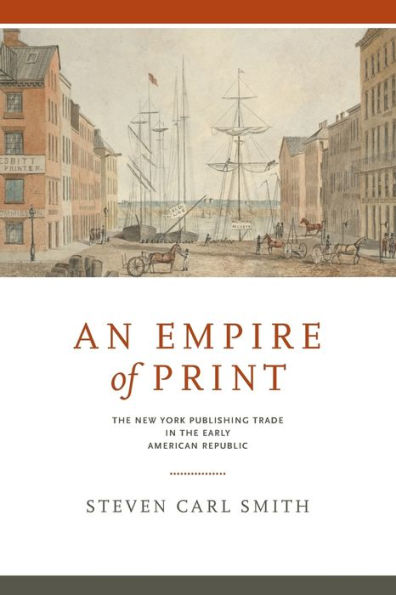

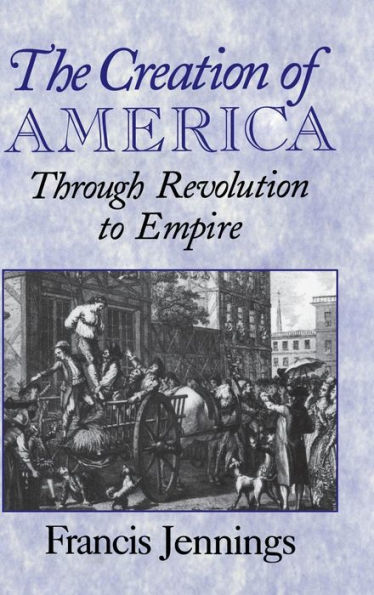








More About Barnes and Noble at Hamilton Place
Barnes & Noble is the world’s largest retail bookseller and a leading retailer of content, digital media and educational products. Our Nook Digital business offers a lineup of NOOK® tablets and e-Readers and an expansive collection of digital reading content through the NOOK Store®. Barnes & Noble’s mission is to operate the best omni-channel specialty retail business in America, helping both our customers and booksellers reach their aspirations, while being a credit to the communities we serve.
2100 Hamilton Pl Blvd, Chattanooga, TN 37421, United States
Find Barnes and Noble at Hamilton Place in Chattanooga, TN
Visit Barnes and Noble at Hamilton Place in Chattanooga, TN
