
Home
la paradoja de prosperidad: Como innovación puede sacar a las naciones pobreza
Barnes and Noble
Loading Inventory...
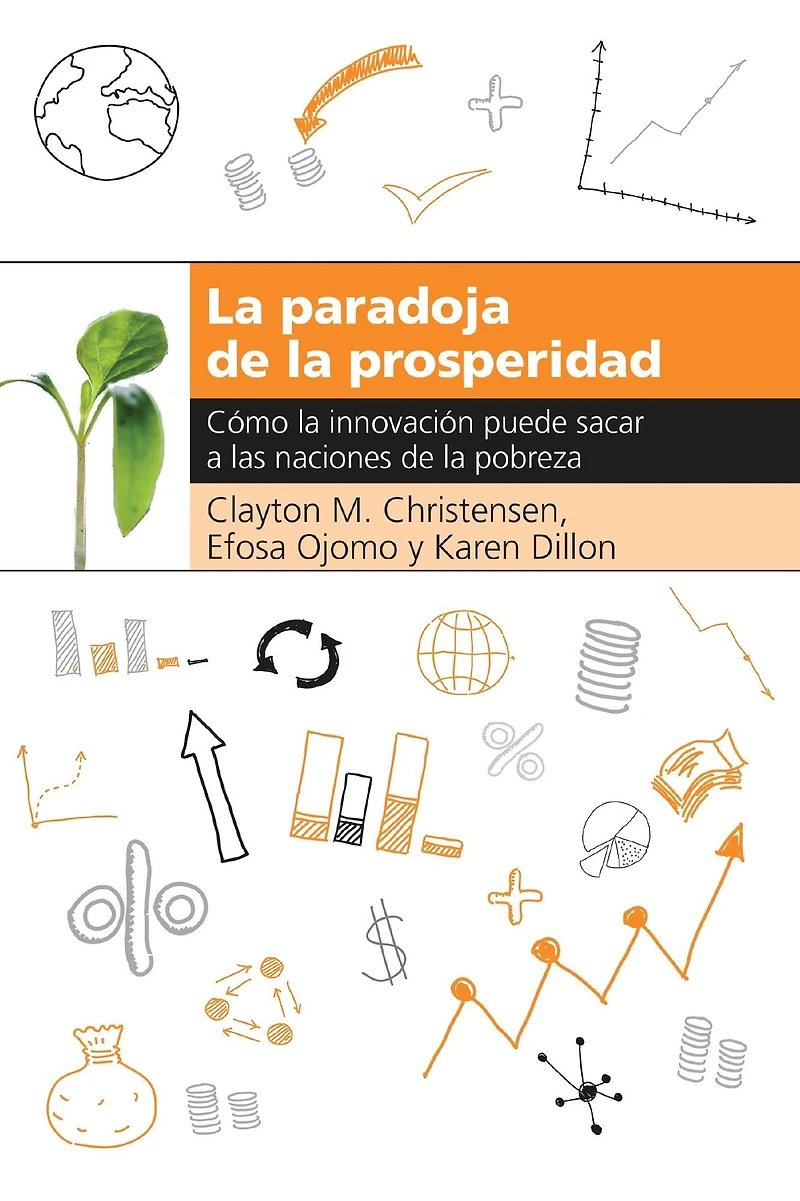
la paradoja de prosperidad: Como innovación puede sacar a las naciones pobreza in Chattanooga, TN
By Barnes & Noble
Current price: $12.99
Barnes and Noble
la paradoja de prosperidad: Como innovación puede sacar a las naciones pobreza in Chattanooga, TN
By Barnes & Noble
Current price: $12.99
Loading Inventory...
Size: EBook
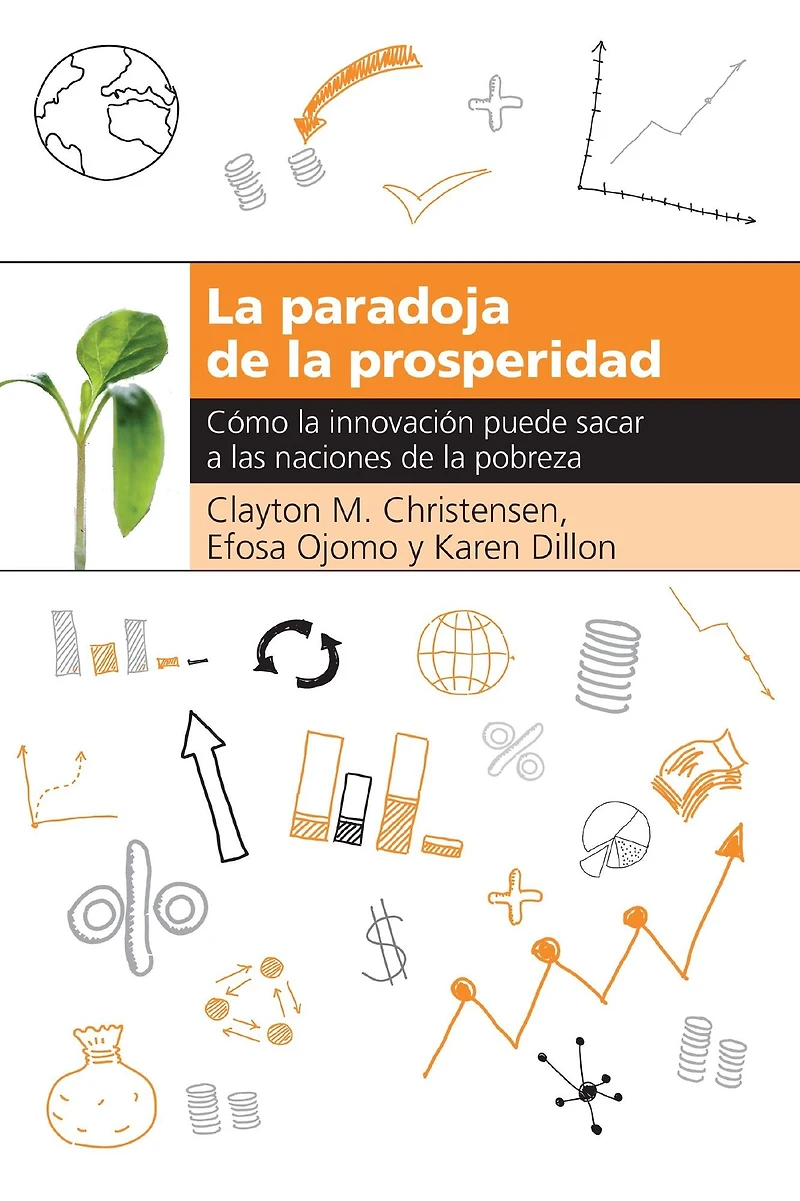
La pobreza global es uno de los problemas más grandes del mundo. Desde la educación hasta la atención médica, la infraestructura para erradicar la corrupción, se han ofrecido demasiadas soluciones, pero que se basan en ensayo y error. Esencialmente, el plan a menudo es identificar áreas que necesitan ayuda, inundarlas de recursos y esperar ver cambios a lo largo del tiempo.Pero la esperanza no es una estrategia efectiva. ¿Cómo es posible que naciones que reciben millones de dólares en ayuda sigan siendo pobres?Christensen sugiere una mejor manera. El tipo correcto de innovación no solo construye empresas, sino que también construye países. La Paradoja de la Prosperidad identifica los límites de los modelos comunes de desarrollo económico, que tienden a ser esfuerzos de arriba hacia abajo, y ofrece un nuevo marco para el crecimiento económico basado en el espíritu empresarial y la innovación de creación de mercado, para analizar países como Japón, Corea del Sur, Nigeria, Ruanda, India, Argentina... y México.The Prosperity ParadoxGlobal poverty is one of the world’s most vexing problems. For decades, we’ve assumed smart, well-intentioned people will eventually be able to change the economic trajectory of poor countries. From education to healthcare, infrastructure to eradicating corruption, too many solutions rely on trial and error. Essentially, the plan is often to identify areas that need help, flood them with resources, and hope to see change over time.But hope is not an effective strategy. How is it possible for nations that receive millions of dollars in aid to remain poor?Christensen suggests a better way. The right kind of innovation not only builds companies, but also builds countries. The Prosperity Paradox identifies the limits of common models of economic development, which tend to be top-down efforts, and offers a new framework for economic growth based on entrepreneurship and market-making innovation, to analyze countries like Japan, South Korea, Nigeria, Rwanda, India, Argentina... and Mexico.
La pobreza global es uno de los problemas más grandes del mundo. Desde la educación hasta la atención médica, la infraestructura para erradicar la corrupción, se han ofrecido demasiadas soluciones, pero que se basan en ensayo y error. Esencialmente, el plan a menudo es identificar áreas que necesitan ayuda, inundarlas de recursos y esperar ver cambios a lo largo del tiempo.Pero la esperanza no es una estrategia efectiva. ¿Cómo es posible que naciones que reciben millones de dólares en ayuda sigan siendo pobres?Christensen sugiere una mejor manera. El tipo correcto de innovación no solo construye empresas, sino que también construye países. La Paradoja de la Prosperidad identifica los límites de los modelos comunes de desarrollo económico, que tienden a ser esfuerzos de arriba hacia abajo, y ofrece un nuevo marco para el crecimiento económico basado en el espíritu empresarial y la innovación de creación de mercado, para analizar países como Japón, Corea del Sur, Nigeria, Ruanda, India, Argentina... y México.The Prosperity ParadoxGlobal poverty is one of the world’s most vexing problems. For decades, we’ve assumed smart, well-intentioned people will eventually be able to change the economic trajectory of poor countries. From education to healthcare, infrastructure to eradicating corruption, too many solutions rely on trial and error. Essentially, the plan is often to identify areas that need help, flood them with resources, and hope to see change over time.But hope is not an effective strategy. How is it possible for nations that receive millions of dollars in aid to remain poor?Christensen suggests a better way. The right kind of innovation not only builds companies, but also builds countries. The Prosperity Paradox identifies the limits of common models of economic development, which tend to be top-down efforts, and offers a new framework for economic growth based on entrepreneurship and market-making innovation, to analyze countries like Japan, South Korea, Nigeria, Rwanda, India, Argentina... and Mexico.
You May Also Like


















More About Barnes and Noble at Hamilton Place
Barnes & Noble is the world’s largest retail bookseller and a leading retailer of content, digital media and educational products. Our Nook Digital business offers a lineup of NOOK® tablets and e-Readers and an expansive collection of digital reading content through the NOOK Store®. Barnes & Noble’s mission is to operate the best omni-channel specialty retail business in America, helping both our customers and booksellers reach their aspirations, while being a credit to the communities we serve.
2100 Hamilton Pl Blvd, Chattanooga, TN 37421, United States
Find Barnes and Noble at Hamilton Place in Chattanooga, TN
Visit Barnes and Noble at Hamilton Place in Chattanooga, TN
