
Home
Krux III: He Who Sleeps Amongst the Stars
Barnes and Noble
Loading Inventory...
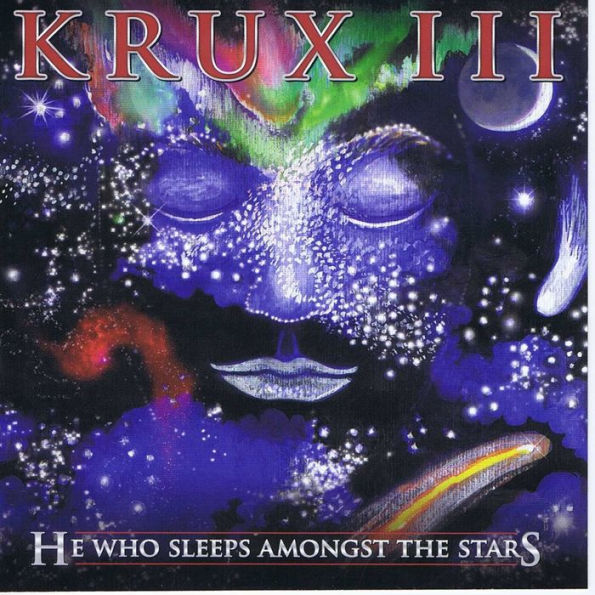
Krux III: He Who Sleeps Amongst the Stars in Chattanooga, TN
Current price: $20.99
Barnes and Noble
Krux III: He Who Sleeps Amongst the Stars in Chattanooga, TN
Current price: $20.99
Loading Inventory...
Size: OS
No one in their right minds would ever mistake the bare-bones artwork seen on
Krux
's first two album covers for compelling eye candy, but did the Swedish doom supergroup have to redress the balance with the heinously orgiastic rainbow explosion chosen for 2011's
Krux III: He Who Lives Amongst the Stars
? Lucky for them, this is a review of their music, not cover art -- yet things aren't entirely peachy in that area either, as it turns out. Though it's been all of five years since
issued their justifiably acclaimed second opus, its members' busy schedules with their primary bands obviously hampered their ability to reconvene in a timely fashion, never mind devote enough time to fine-tune these new songs into quite the same lofty standards of old. That's not to say these wily doom veterans can't still turn in a perfectly solid, even enviable "day at the office" with arms tied behind their backs -- competent if hardly stunning tracks like "Emily Payne" and "The Death Farm" prove that -- but the inspired heights of achievements past are merely approximated momentarily here as a result, namely in the relatively satisfying urgency of the opening title track, the chorus of "Small Deadly Curses," and the epic sweep (and snickering title) of "Prince Azaar and the Invisible Pagoda." Instead, this album's ear-catching moments arrive either via unprecedented gimmicks (like the Cookie Monster vocals closing "The Hades Assembly") or individual instrumental contributions -- largely those provided by
Fredrik Akesson
's exquisite guitar solos (and never more so than on the majestic finale of "A Place of Crows"). In sum, stack
up against most any other doom band -- including chief songwriter
Leif Edling
's main but declining warhorse,
Candlemass
-- and
He Who Lives Amongst the Stars
acquits itself extremely well, but it is simply not on par with the exalted levels achieved by former
efforts. And as for the cover art debate: at least listeners can be certain that neither simplicity nor excess seems to affect
's strict observation of doom's songwriting bylaws, even if qualitative results may vary. ~ Eduardo Rivadavia
Krux
's first two album covers for compelling eye candy, but did the Swedish doom supergroup have to redress the balance with the heinously orgiastic rainbow explosion chosen for 2011's
Krux III: He Who Lives Amongst the Stars
? Lucky for them, this is a review of their music, not cover art -- yet things aren't entirely peachy in that area either, as it turns out. Though it's been all of five years since
issued their justifiably acclaimed second opus, its members' busy schedules with their primary bands obviously hampered their ability to reconvene in a timely fashion, never mind devote enough time to fine-tune these new songs into quite the same lofty standards of old. That's not to say these wily doom veterans can't still turn in a perfectly solid, even enviable "day at the office" with arms tied behind their backs -- competent if hardly stunning tracks like "Emily Payne" and "The Death Farm" prove that -- but the inspired heights of achievements past are merely approximated momentarily here as a result, namely in the relatively satisfying urgency of the opening title track, the chorus of "Small Deadly Curses," and the epic sweep (and snickering title) of "Prince Azaar and the Invisible Pagoda." Instead, this album's ear-catching moments arrive either via unprecedented gimmicks (like the Cookie Monster vocals closing "The Hades Assembly") or individual instrumental contributions -- largely those provided by
Fredrik Akesson
's exquisite guitar solos (and never more so than on the majestic finale of "A Place of Crows"). In sum, stack
up against most any other doom band -- including chief songwriter
Leif Edling
's main but declining warhorse,
Candlemass
-- and
He Who Lives Amongst the Stars
acquits itself extremely well, but it is simply not on par with the exalted levels achieved by former
efforts. And as for the cover art debate: at least listeners can be certain that neither simplicity nor excess seems to affect
's strict observation of doom's songwriting bylaws, even if qualitative results may vary. ~ Eduardo Rivadavia
No one in their right minds would ever mistake the bare-bones artwork seen on
Krux
's first two album covers for compelling eye candy, but did the Swedish doom supergroup have to redress the balance with the heinously orgiastic rainbow explosion chosen for 2011's
Krux III: He Who Lives Amongst the Stars
? Lucky for them, this is a review of their music, not cover art -- yet things aren't entirely peachy in that area either, as it turns out. Though it's been all of five years since
issued their justifiably acclaimed second opus, its members' busy schedules with their primary bands obviously hampered their ability to reconvene in a timely fashion, never mind devote enough time to fine-tune these new songs into quite the same lofty standards of old. That's not to say these wily doom veterans can't still turn in a perfectly solid, even enviable "day at the office" with arms tied behind their backs -- competent if hardly stunning tracks like "Emily Payne" and "The Death Farm" prove that -- but the inspired heights of achievements past are merely approximated momentarily here as a result, namely in the relatively satisfying urgency of the opening title track, the chorus of "Small Deadly Curses," and the epic sweep (and snickering title) of "Prince Azaar and the Invisible Pagoda." Instead, this album's ear-catching moments arrive either via unprecedented gimmicks (like the Cookie Monster vocals closing "The Hades Assembly") or individual instrumental contributions -- largely those provided by
Fredrik Akesson
's exquisite guitar solos (and never more so than on the majestic finale of "A Place of Crows"). In sum, stack
up against most any other doom band -- including chief songwriter
Leif Edling
's main but declining warhorse,
Candlemass
-- and
He Who Lives Amongst the Stars
acquits itself extremely well, but it is simply not on par with the exalted levels achieved by former
efforts. And as for the cover art debate: at least listeners can be certain that neither simplicity nor excess seems to affect
's strict observation of doom's songwriting bylaws, even if qualitative results may vary. ~ Eduardo Rivadavia
Krux
's first two album covers for compelling eye candy, but did the Swedish doom supergroup have to redress the balance with the heinously orgiastic rainbow explosion chosen for 2011's
Krux III: He Who Lives Amongst the Stars
? Lucky for them, this is a review of their music, not cover art -- yet things aren't entirely peachy in that area either, as it turns out. Though it's been all of five years since
issued their justifiably acclaimed second opus, its members' busy schedules with their primary bands obviously hampered their ability to reconvene in a timely fashion, never mind devote enough time to fine-tune these new songs into quite the same lofty standards of old. That's not to say these wily doom veterans can't still turn in a perfectly solid, even enviable "day at the office" with arms tied behind their backs -- competent if hardly stunning tracks like "Emily Payne" and "The Death Farm" prove that -- but the inspired heights of achievements past are merely approximated momentarily here as a result, namely in the relatively satisfying urgency of the opening title track, the chorus of "Small Deadly Curses," and the epic sweep (and snickering title) of "Prince Azaar and the Invisible Pagoda." Instead, this album's ear-catching moments arrive either via unprecedented gimmicks (like the Cookie Monster vocals closing "The Hades Assembly") or individual instrumental contributions -- largely those provided by
Fredrik Akesson
's exquisite guitar solos (and never more so than on the majestic finale of "A Place of Crows"). In sum, stack
up against most any other doom band -- including chief songwriter
Leif Edling
's main but declining warhorse,
Candlemass
-- and
He Who Lives Amongst the Stars
acquits itself extremely well, but it is simply not on par with the exalted levels achieved by former
efforts. And as for the cover art debate: at least listeners can be certain that neither simplicity nor excess seems to affect
's strict observation of doom's songwriting bylaws, even if qualitative results may vary. ~ Eduardo Rivadavia
You May Also Like

















More About Barnes and Noble at Hamilton Place
Barnes & Noble is the world’s largest retail bookseller and a leading retailer of content, digital media and educational products. Our Nook Digital business offers a lineup of NOOK® tablets and e-Readers and an expansive collection of digital reading content through the NOOK Store®. Barnes & Noble’s mission is to operate the best omni-channel specialty retail business in America, helping both our customers and booksellers reach their aspirations, while being a credit to the communities we serve.
2100 Hamilton Pl Blvd, Chattanooga, TN 37421, United States
Find Barnes and Noble at Hamilton Place in Chattanooga, TN
Visit Barnes and Noble at Hamilton Place in Chattanooga, TN
