
Home
Knowing God as an Evangelical: Towards a Canonical-Epistemological Model
Barnes and Noble
Loading Inventory...
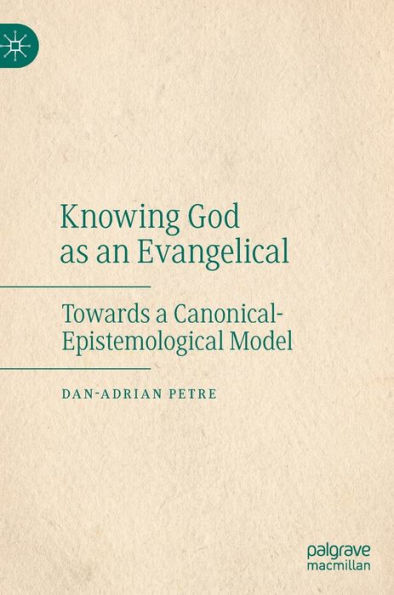
Knowing God as an Evangelical: Towards a Canonical-Epistemological Model in Chattanooga, TN
Current price: $179.99
Barnes and Noble
Knowing God as an Evangelical: Towards a Canonical-Epistemological Model in Chattanooga, TN
Current price: $179.99
Loading Inventory...
Size: Hardcover
In the present polyphony of evangelical theological epistemology, there are several authoritative approaches. Yet, the evangelical emphasis on
sola scriptura
demands that theological epistemology be subjected to the biblical canon. In this book, Dan-Adrian Petre argues for a canonically-derived theological epistemological framework that may foster a fuller understanding of theological knowledge formation within evangelicalism. Specifically, he explores some representative evangelical voices to identify the reasons for the contemporary epistemological variance. Petre then uses a canonical-epistemological methodology to outline a biblically-based framework. In exploring how the Scripture conceptualizes the formation of theological knowledge, the book uses cognitive linguistics to grasp the conceptual meaning of the theological knowledge formation in the Bible using prototypical case studies. The resulting epistemological implications outline a minimal epistemological model derived from the biblical canon. Using this vantage point, the author assesses the contemporary evangelical epistemological dissonance as a means of indicating a way forward for a canonical-epistemological attunement.
sola scriptura
demands that theological epistemology be subjected to the biblical canon. In this book, Dan-Adrian Petre argues for a canonically-derived theological epistemological framework that may foster a fuller understanding of theological knowledge formation within evangelicalism. Specifically, he explores some representative evangelical voices to identify the reasons for the contemporary epistemological variance. Petre then uses a canonical-epistemological methodology to outline a biblically-based framework. In exploring how the Scripture conceptualizes the formation of theological knowledge, the book uses cognitive linguistics to grasp the conceptual meaning of the theological knowledge formation in the Bible using prototypical case studies. The resulting epistemological implications outline a minimal epistemological model derived from the biblical canon. Using this vantage point, the author assesses the contemporary evangelical epistemological dissonance as a means of indicating a way forward for a canonical-epistemological attunement.
In the present polyphony of evangelical theological epistemology, there are several authoritative approaches. Yet, the evangelical emphasis on
sola scriptura
demands that theological epistemology be subjected to the biblical canon. In this book, Dan-Adrian Petre argues for a canonically-derived theological epistemological framework that may foster a fuller understanding of theological knowledge formation within evangelicalism. Specifically, he explores some representative evangelical voices to identify the reasons for the contemporary epistemological variance. Petre then uses a canonical-epistemological methodology to outline a biblically-based framework. In exploring how the Scripture conceptualizes the formation of theological knowledge, the book uses cognitive linguistics to grasp the conceptual meaning of the theological knowledge formation in the Bible using prototypical case studies. The resulting epistemological implications outline a minimal epistemological model derived from the biblical canon. Using this vantage point, the author assesses the contemporary evangelical epistemological dissonance as a means of indicating a way forward for a canonical-epistemological attunement.
sola scriptura
demands that theological epistemology be subjected to the biblical canon. In this book, Dan-Adrian Petre argues for a canonically-derived theological epistemological framework that may foster a fuller understanding of theological knowledge formation within evangelicalism. Specifically, he explores some representative evangelical voices to identify the reasons for the contemporary epistemological variance. Petre then uses a canonical-epistemological methodology to outline a biblically-based framework. In exploring how the Scripture conceptualizes the formation of theological knowledge, the book uses cognitive linguistics to grasp the conceptual meaning of the theological knowledge formation in the Bible using prototypical case studies. The resulting epistemological implications outline a minimal epistemological model derived from the biblical canon. Using this vantage point, the author assesses the contemporary evangelical epistemological dissonance as a means of indicating a way forward for a canonical-epistemological attunement.
You May Also Like














More About Barnes and Noble at Hamilton Place
Barnes & Noble is the world’s largest retail bookseller and a leading retailer of content, digital media and educational products. Our Nook Digital business offers a lineup of NOOK® tablets and e-Readers and an expansive collection of digital reading content through the NOOK Store®. Barnes & Noble’s mission is to operate the best omni-channel specialty retail business in America, helping both our customers and booksellers reach their aspirations, while being a credit to the communities we serve.
2100 Hamilton Pl Blvd, Chattanooga, TN 37421, United States
Find Barnes and Noble at Hamilton Place in Chattanooga, TN
Visit Barnes and Noble at Hamilton Place in Chattanooga, TN
