
Home
Johann Jakob Froberger: Suites for Harpsichord, Vol. 4
Barnes and Noble
Loading Inventory...
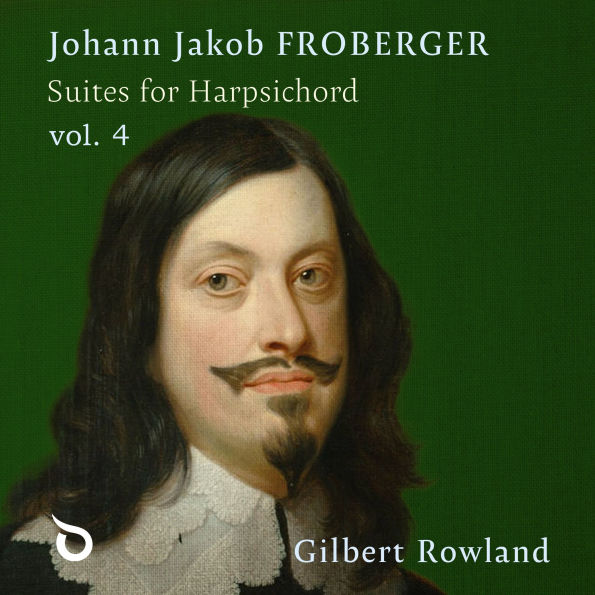
Johann Jakob Froberger: Suites for Harpsichord, Vol. 4 in Chattanooga, TN
Current price: $27.99
Barnes and Noble
Johann Jakob Froberger: Suites for Harpsichord, Vol. 4 in Chattanooga, TN
Current price: $27.99
Loading Inventory...
Size: OS
Harpsichordist
Gilbert Rowland
here concludes a set of four albums devoted to the suites of composer
Johann Jakob Froberger
(1616-1667). These pieces are little-known even among
Froberger
's only modestly programmed output, which is hard to understand inasmuch as
Bach
's
French Suites
(and
English Suites
, which are really French suites) did not come out of nowhere. The Suite in Germany took shape in pieces like those here. One can hear
experimenting with the order of the four dances, on which later composers would expand; the Gigue (sometimes charmingly spelled "Chique," or with other variants) may come second, but in these pieces he seems gradually to settle on placing it at the end, with its driving rhythm imparting a sense of conclusion, and sounding quite
ian at times. This final album has some pieces of disputed authorship, but, on the flip side, its contents are unusually colorful. Consider the opening
Lamentation sur ce que j'ay été volé et se joüe à la discretion
("
Lamentation on How I Was Robbed, and to Be Played with Discretion
"), to which
adds that the performer should do "better than the soldiers who mistreated me." This seems to have referred to an actual incident during the unstable Fronde period in France. Or hear the
Suite in E minor
, subtitled
"Partita dolorosa,"
and one will get an idea of where the intensely expressive quality of
's music came from.
Rowland
renders this quality admirably, and he makes good on his quest to broaden the appreciation of this music. The set as a whole is a lot of
, and the church sound from the
Athene
label is wrong for intimate music for court chambers, but for serious Baroque lovers, this will be an essential find. ~ James Manheim
Gilbert Rowland
here concludes a set of four albums devoted to the suites of composer
Johann Jakob Froberger
(1616-1667). These pieces are little-known even among
Froberger
's only modestly programmed output, which is hard to understand inasmuch as
Bach
's
French Suites
(and
English Suites
, which are really French suites) did not come out of nowhere. The Suite in Germany took shape in pieces like those here. One can hear
experimenting with the order of the four dances, on which later composers would expand; the Gigue (sometimes charmingly spelled "Chique," or with other variants) may come second, but in these pieces he seems gradually to settle on placing it at the end, with its driving rhythm imparting a sense of conclusion, and sounding quite
ian at times. This final album has some pieces of disputed authorship, but, on the flip side, its contents are unusually colorful. Consider the opening
Lamentation sur ce que j'ay été volé et se joüe à la discretion
("
Lamentation on How I Was Robbed, and to Be Played with Discretion
"), to which
adds that the performer should do "better than the soldiers who mistreated me." This seems to have referred to an actual incident during the unstable Fronde period in France. Or hear the
Suite in E minor
, subtitled
"Partita dolorosa,"
and one will get an idea of where the intensely expressive quality of
's music came from.
Rowland
renders this quality admirably, and he makes good on his quest to broaden the appreciation of this music. The set as a whole is a lot of
, and the church sound from the
Athene
label is wrong for intimate music for court chambers, but for serious Baroque lovers, this will be an essential find. ~ James Manheim
Harpsichordist
Gilbert Rowland
here concludes a set of four albums devoted to the suites of composer
Johann Jakob Froberger
(1616-1667). These pieces are little-known even among
Froberger
's only modestly programmed output, which is hard to understand inasmuch as
Bach
's
French Suites
(and
English Suites
, which are really French suites) did not come out of nowhere. The Suite in Germany took shape in pieces like those here. One can hear
experimenting with the order of the four dances, on which later composers would expand; the Gigue (sometimes charmingly spelled "Chique," or with other variants) may come second, but in these pieces he seems gradually to settle on placing it at the end, with its driving rhythm imparting a sense of conclusion, and sounding quite
ian at times. This final album has some pieces of disputed authorship, but, on the flip side, its contents are unusually colorful. Consider the opening
Lamentation sur ce que j'ay été volé et se joüe à la discretion
("
Lamentation on How I Was Robbed, and to Be Played with Discretion
"), to which
adds that the performer should do "better than the soldiers who mistreated me." This seems to have referred to an actual incident during the unstable Fronde period in France. Or hear the
Suite in E minor
, subtitled
"Partita dolorosa,"
and one will get an idea of where the intensely expressive quality of
's music came from.
Rowland
renders this quality admirably, and he makes good on his quest to broaden the appreciation of this music. The set as a whole is a lot of
, and the church sound from the
Athene
label is wrong for intimate music for court chambers, but for serious Baroque lovers, this will be an essential find. ~ James Manheim
Gilbert Rowland
here concludes a set of four albums devoted to the suites of composer
Johann Jakob Froberger
(1616-1667). These pieces are little-known even among
Froberger
's only modestly programmed output, which is hard to understand inasmuch as
Bach
's
French Suites
(and
English Suites
, which are really French suites) did not come out of nowhere. The Suite in Germany took shape in pieces like those here. One can hear
experimenting with the order of the four dances, on which later composers would expand; the Gigue (sometimes charmingly spelled "Chique," or with other variants) may come second, but in these pieces he seems gradually to settle on placing it at the end, with its driving rhythm imparting a sense of conclusion, and sounding quite
ian at times. This final album has some pieces of disputed authorship, but, on the flip side, its contents are unusually colorful. Consider the opening
Lamentation sur ce que j'ay été volé et se joüe à la discretion
("
Lamentation on How I Was Robbed, and to Be Played with Discretion
"), to which
adds that the performer should do "better than the soldiers who mistreated me." This seems to have referred to an actual incident during the unstable Fronde period in France. Or hear the
Suite in E minor
, subtitled
"Partita dolorosa,"
and one will get an idea of where the intensely expressive quality of
's music came from.
Rowland
renders this quality admirably, and he makes good on his quest to broaden the appreciation of this music. The set as a whole is a lot of
, and the church sound from the
Athene
label is wrong for intimate music for court chambers, but for serious Baroque lovers, this will be an essential find. ~ James Manheim
You May Also Like











More About Barnes and Noble at Hamilton Place
Barnes & Noble is the world’s largest retail bookseller and a leading retailer of content, digital media and educational products. Our Nook Digital business offers a lineup of NOOK® tablets and e-Readers and an expansive collection of digital reading content through the NOOK Store®. Barnes & Noble’s mission is to operate the best omni-channel specialty retail business in America, helping both our customers and booksellers reach their aspirations, while being a credit to the communities we serve.
2100 Hamilton Pl Blvd, Chattanooga, TN 37421, United States
Find Barnes and Noble at Hamilton Place in Chattanooga, TN
Visit Barnes and Noble at Hamilton Place in Chattanooga, TN