
Home
In Tripoli: Enver Pasha's Diary during the Turco-Italian War
Barnes and Noble
Loading Inventory...
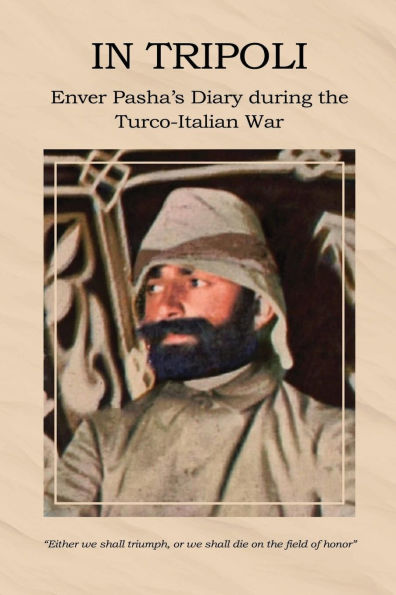
In Tripoli: Enver Pasha's Diary during the Turco-Italian War in Chattanooga, TN
Current price: $19.99
Barnes and Noble
In Tripoli: Enver Pasha's Diary during the Turco-Italian War in Chattanooga, TN
Current price: $19.99
Loading Inventory...
Size: OS
This book presents for the first time an English translation of the letters of Enver Pasha, one of the Ottoman Empire's most iconic and controversial figures, compiled into the form of a diary written in Libya during the Turco-Italian War (1911-1912).
From vivid accounts of battle preparations and political intrigue in Istanbul to intimate reflections beneath the Cyrenaican night sky, Enver's writing reveals the mind of a man torn between duty, ambition, and love. His words trace the emotional and ideological journey of an Ottoman officer determined to rally the Muslim world against Italian encroachment - even as he contends with uncertainty and isolation. Alongside these firsthand journal entries are the deeply personal letters he sent to his wife during the war, offering a rare glimpse into his private thoughts, fears, and ideals amidst the desert campaign. Translated with fidelity to the original tone and historical context, this collection sheds light on a pivotal yet often misunderstood episode in Ottoman history. It is a must-read for those interested in Libyan or Ottoman history, or for those simply interested in the man himself.
From vivid accounts of battle preparations and political intrigue in Istanbul to intimate reflections beneath the Cyrenaican night sky, Enver's writing reveals the mind of a man torn between duty, ambition, and love. His words trace the emotional and ideological journey of an Ottoman officer determined to rally the Muslim world against Italian encroachment - even as he contends with uncertainty and isolation. Alongside these firsthand journal entries are the deeply personal letters he sent to his wife during the war, offering a rare glimpse into his private thoughts, fears, and ideals amidst the desert campaign. Translated with fidelity to the original tone and historical context, this collection sheds light on a pivotal yet often misunderstood episode in Ottoman history. It is a must-read for those interested in Libyan or Ottoman history, or for those simply interested in the man himself.
This book presents for the first time an English translation of the letters of Enver Pasha, one of the Ottoman Empire's most iconic and controversial figures, compiled into the form of a diary written in Libya during the Turco-Italian War (1911-1912).
From vivid accounts of battle preparations and political intrigue in Istanbul to intimate reflections beneath the Cyrenaican night sky, Enver's writing reveals the mind of a man torn between duty, ambition, and love. His words trace the emotional and ideological journey of an Ottoman officer determined to rally the Muslim world against Italian encroachment - even as he contends with uncertainty and isolation. Alongside these firsthand journal entries are the deeply personal letters he sent to his wife during the war, offering a rare glimpse into his private thoughts, fears, and ideals amidst the desert campaign. Translated with fidelity to the original tone and historical context, this collection sheds light on a pivotal yet often misunderstood episode in Ottoman history. It is a must-read for those interested in Libyan or Ottoman history, or for those simply interested in the man himself.
From vivid accounts of battle preparations and political intrigue in Istanbul to intimate reflections beneath the Cyrenaican night sky, Enver's writing reveals the mind of a man torn between duty, ambition, and love. His words trace the emotional and ideological journey of an Ottoman officer determined to rally the Muslim world against Italian encroachment - even as he contends with uncertainty and isolation. Alongside these firsthand journal entries are the deeply personal letters he sent to his wife during the war, offering a rare glimpse into his private thoughts, fears, and ideals amidst the desert campaign. Translated with fidelity to the original tone and historical context, this collection sheds light on a pivotal yet often misunderstood episode in Ottoman history. It is a must-read for those interested in Libyan or Ottoman history, or for those simply interested in the man himself.
You May Also Like









More About Barnes and Noble at Hamilton Place
Barnes & Noble is the world’s largest retail bookseller and a leading retailer of content, digital media and educational products. Our Nook Digital business offers a lineup of NOOK® tablets and e-Readers and an expansive collection of digital reading content through the NOOK Store®. Barnes & Noble’s mission is to operate the best omni-channel specialty retail business in America, helping both our customers and booksellers reach their aspirations, while being a credit to the communities we serve.
2100 Hamilton Pl Blvd, Chattanooga, TN 37421, United States
Find Barnes and Noble at Hamilton Place in Chattanooga, TN
Visit Barnes and Noble at Hamilton Place in Chattanooga, TN
