
Home
In Love and Revolution
Barnes and Noble
Loading Inventory...
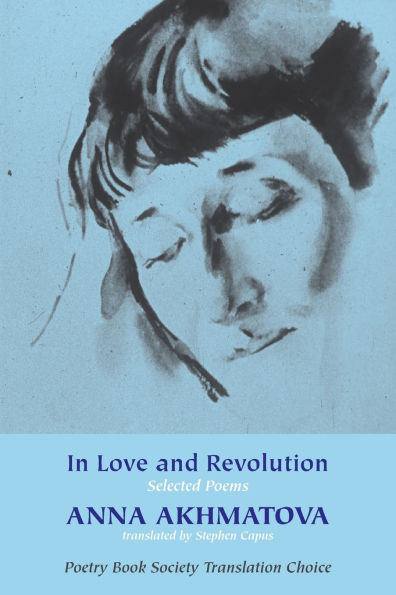
In Love and Revolution in Chattanooga, TN
Current price: $20.00
Barnes and Noble
In Love and Revolution in Chattanooga, TN
Current price: $20.00
Loading Inventory...
Size: OS
Anna Akhmatova was born near Odesa in 1889. Christened as Anna Gorenko, she adopted her penname from the family of her mother. She attended school in Tsarskoe Selo and lived most of her life in Saint Petersburg, the city with which so much of her poetry is intimately connected. She frequented the Tower, the famous literary salon of the symbolist poet Vyacheslav Ivanov, and in 1910 she married fellow poet Nikolay Gumilev. Together they became associated with the literary movement know as Acmeism. The couple were divorced in 1918, three years before Gumilev was executed by the Bolsheviks for counter revolutionary activities.
Akhmatova achieved fame with her first collection of poems,
Evening
, published in 1912, and her subsequent collections,
Rosary
and
White Flock
consolidated her reputation as one of Russia's leading poets during the period preceding the October Revolution. After 1917 she took the decision to remain in Russia, rather than join those of her fellow writers who were opting to go into exile in the West. Between the publication of the second edition of
Anno Domini
in 1923 and the death of Stalin in 1953-with a brief reprieve during the Great Patriotic War-she found herself subject to censorship, and in 1946 she was expelled from the Soviet Writers' Union in the wake of the notorious speech by the Communist Party cultural boss Andrey Zhdanov, in which he described her as a 'cross between a nun and a whore'. Nonetheless, although she faced much personal hardship and a protracted exclusion from publication as a consequence of her decision to remain in Russia, she was also able to create
Requiem
, her great affirmation of solidarity with the victims of the Stalinist purges.
After Stalin's death in 1953 the restrictions on Akhmatova's work were gradually relaxed and a selection of her poems, entitled
The Course of Time
, was published in 1958. She died in Moscow in 1966.
Akhmatova achieved fame with her first collection of poems,
Evening
, published in 1912, and her subsequent collections,
Rosary
and
White Flock
consolidated her reputation as one of Russia's leading poets during the period preceding the October Revolution. After 1917 she took the decision to remain in Russia, rather than join those of her fellow writers who were opting to go into exile in the West. Between the publication of the second edition of
Anno Domini
in 1923 and the death of Stalin in 1953-with a brief reprieve during the Great Patriotic War-she found herself subject to censorship, and in 1946 she was expelled from the Soviet Writers' Union in the wake of the notorious speech by the Communist Party cultural boss Andrey Zhdanov, in which he described her as a 'cross between a nun and a whore'. Nonetheless, although she faced much personal hardship and a protracted exclusion from publication as a consequence of her decision to remain in Russia, she was also able to create
Requiem
, her great affirmation of solidarity with the victims of the Stalinist purges.
After Stalin's death in 1953 the restrictions on Akhmatova's work were gradually relaxed and a selection of her poems, entitled
The Course of Time
, was published in 1958. She died in Moscow in 1966.
Anna Akhmatova was born near Odesa in 1889. Christened as Anna Gorenko, she adopted her penname from the family of her mother. She attended school in Tsarskoe Selo and lived most of her life in Saint Petersburg, the city with which so much of her poetry is intimately connected. She frequented the Tower, the famous literary salon of the symbolist poet Vyacheslav Ivanov, and in 1910 she married fellow poet Nikolay Gumilev. Together they became associated with the literary movement know as Acmeism. The couple were divorced in 1918, three years before Gumilev was executed by the Bolsheviks for counter revolutionary activities.
Akhmatova achieved fame with her first collection of poems,
Evening
, published in 1912, and her subsequent collections,
Rosary
and
White Flock
consolidated her reputation as one of Russia's leading poets during the period preceding the October Revolution. After 1917 she took the decision to remain in Russia, rather than join those of her fellow writers who were opting to go into exile in the West. Between the publication of the second edition of
Anno Domini
in 1923 and the death of Stalin in 1953-with a brief reprieve during the Great Patriotic War-she found herself subject to censorship, and in 1946 she was expelled from the Soviet Writers' Union in the wake of the notorious speech by the Communist Party cultural boss Andrey Zhdanov, in which he described her as a 'cross between a nun and a whore'. Nonetheless, although she faced much personal hardship and a protracted exclusion from publication as a consequence of her decision to remain in Russia, she was also able to create
Requiem
, her great affirmation of solidarity with the victims of the Stalinist purges.
After Stalin's death in 1953 the restrictions on Akhmatova's work were gradually relaxed and a selection of her poems, entitled
The Course of Time
, was published in 1958. She died in Moscow in 1966.
Akhmatova achieved fame with her first collection of poems,
Evening
, published in 1912, and her subsequent collections,
Rosary
and
White Flock
consolidated her reputation as one of Russia's leading poets during the period preceding the October Revolution. After 1917 she took the decision to remain in Russia, rather than join those of her fellow writers who were opting to go into exile in the West. Between the publication of the second edition of
Anno Domini
in 1923 and the death of Stalin in 1953-with a brief reprieve during the Great Patriotic War-she found herself subject to censorship, and in 1946 she was expelled from the Soviet Writers' Union in the wake of the notorious speech by the Communist Party cultural boss Andrey Zhdanov, in which he described her as a 'cross between a nun and a whore'. Nonetheless, although she faced much personal hardship and a protracted exclusion from publication as a consequence of her decision to remain in Russia, she was also able to create
Requiem
, her great affirmation of solidarity with the victims of the Stalinist purges.
After Stalin's death in 1953 the restrictions on Akhmatova's work were gradually relaxed and a selection of her poems, entitled
The Course of Time
, was published in 1958. She died in Moscow in 1966.
You May Also Like








![Cuz I Love You [Barnes & Noble Exclusive]](https://prodimage.images-bn.com/pimages/0075678623219_p0_v2_s600x595.jpg)







More About Barnes and Noble at Hamilton Place
Barnes & Noble is the world’s largest retail bookseller and a leading retailer of content, digital media and educational products. Our Nook Digital business offers a lineup of NOOK® tablets and e-Readers and an expansive collection of digital reading content through the NOOK Store®. Barnes & Noble’s mission is to operate the best omni-channel specialty retail business in America, helping both our customers and booksellers reach their aspirations, while being a credit to the communities we serve.
2100 Hamilton Pl Blvd, Chattanooga, TN 37421, United States
Find Barnes and Noble at Hamilton Place in Chattanooga, TN
Visit Barnes and Noble at Hamilton Place in Chattanooga, TN