
Home
Impacts of human-wildlife conflict on the periphery of Mwagna Park (Gabon)
Barnes and Noble
Loading Inventory...
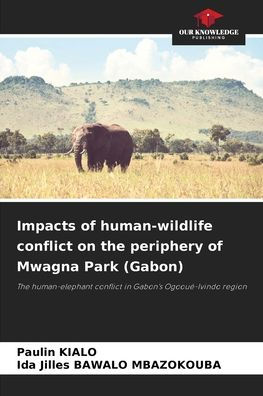
Impacts of human-wildlife conflict on the periphery of Mwagna Park (Gabon) in Chattanooga, TN
Current price: $66.00
Barnes and Noble
Impacts of human-wildlife conflict on the periphery of Mwagna Park (Gabon) in Chattanooga, TN
Current price: $66.00
Loading Inventory...
Size: OS
This study highlights the ups and downs of nature conservation in Gabon's national parks. It focuses on the covetousness and controversy surrounding Mwagna National Park. Nature conservation is a global priority. Every country must contribute to it and make it a factor in sustainable development. And national parks are a proven means of preserving biodiversity: a national park must be a factor in sustainable development, ensuring the protection of flora and fauna, promoting economic development and integrating local communities while respecting their customs and traditions. Achieving these objectives brings together a wide range of players in the same area. Although the common goal is to protect biodiversity, the divergent perceptions and uses of nature (forests, waterways and natural resources) by each stakeholder can become a considerable obstacle to reconciling the elements of conservation, development and local culture.
This study highlights the ups and downs of nature conservation in Gabon's national parks. It focuses on the covetousness and controversy surrounding Mwagna National Park. Nature conservation is a global priority. Every country must contribute to it and make it a factor in sustainable development. And national parks are a proven means of preserving biodiversity: a national park must be a factor in sustainable development, ensuring the protection of flora and fauna, promoting economic development and integrating local communities while respecting their customs and traditions. Achieving these objectives brings together a wide range of players in the same area. Although the common goal is to protect biodiversity, the divergent perceptions and uses of nature (forests, waterways and natural resources) by each stakeholder can become a considerable obstacle to reconciling the elements of conservation, development and local culture.
You May Also Like










More About Barnes and Noble at Hamilton Place
Barnes & Noble is the world’s largest retail bookseller and a leading retailer of content, digital media and educational products. Our Nook Digital business offers a lineup of NOOK® tablets and e-Readers and an expansive collection of digital reading content through the NOOK Store®. Barnes & Noble’s mission is to operate the best omni-channel specialty retail business in America, helping both our customers and booksellers reach their aspirations, while being a credit to the communities we serve.
2100 Hamilton Pl Blvd, Chattanooga, TN 37421, United States
Find Barnes and Noble at Hamilton Place in Chattanooga, TN
Visit Barnes and Noble at Hamilton Place in Chattanooga, TN
