
Home
Igor Strawinski: Symphonien für Blasinstrumente; Agon; Variationen 'Aldous Huxley in Memoriam'; Symp
Barnes and Noble
Loading Inventory...
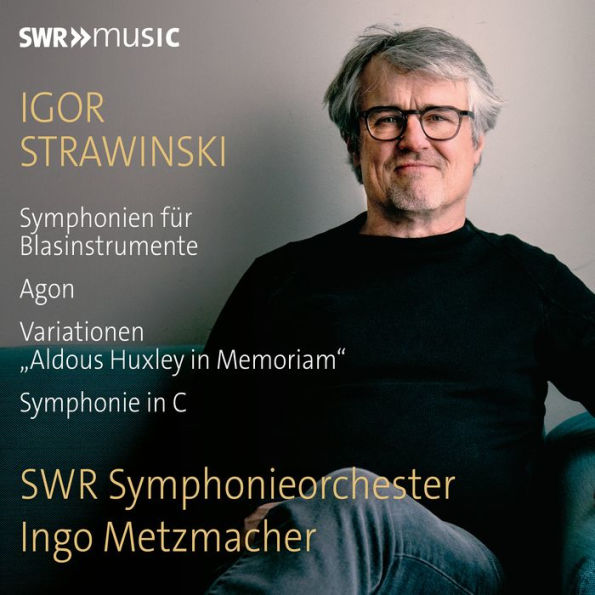
Igor Strawinski: Symphonien für Blasinstrumente; Agon; Variationen 'Aldous Huxley in Memoriam'; Symp in Chattanooga, TN
Current price: $22.99
Barnes and Noble
Igor Strawinski: Symphonien für Blasinstrumente; Agon; Variationen 'Aldous Huxley in Memoriam'; Symp in Chattanooga, TN
Current price: $22.99
Loading Inventory...
Size: OS
Stravinsky
's late serialist works have been performed less frequently since the crackup of High Modernist hegemony, but they have their adherents, and one of them is
Ingo Metzmacher
, here leading the
SWR Symphonieorchester
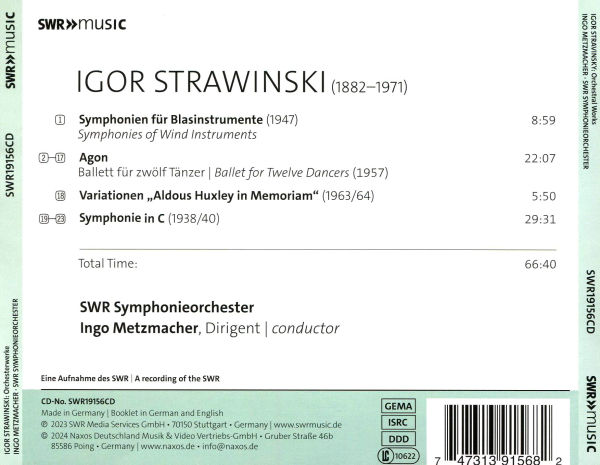
. He makes a strong case for them, including a pure serialist work, the
Variations "Aldous Huxley in Memoriam"
of 1964; a work that mixes serialist and diatonic idioms, the ballet
Agon
; and two earlier works whose economical treatments of pitch seem to offer interpretations suggesting that
was heading toward serialism even before he was actually aware of it.
Metzmacher
's readings of these two works, the
Symphony in C major
of 1940 and the 1947 revision of the
Symphonies of Wind Instruments
, stripped down from its 1920 original, are persuasive. What one will think of the program as a whole will depend on one's degree of sympathy with
's late idiom, but it is hard to argue that the album is anything other than unusually cohesive. Perhaps the strongest work is
, wherein
's incipient serialism is heralded by a new perspective on Renaissance dances the composer got from a Renaissance dance manual. This work shows
's precise way with
and his ability to elicit precision from the
SWR Symponieorchester
at their best, and the clean performances are all the more impressive, considering that they were recorded live. This recording will fill holes in many
libraries. ~ James Manheim
's late serialist works have been performed less frequently since the crackup of High Modernist hegemony, but they have their adherents, and one of them is
Ingo Metzmacher
, here leading the
SWR Symphonieorchester
. He makes a strong case for them, including a pure serialist work, the
Variations "Aldous Huxley in Memoriam"
of 1964; a work that mixes serialist and diatonic idioms, the ballet
Agon
; and two earlier works whose economical treatments of pitch seem to offer interpretations suggesting that
was heading toward serialism even before he was actually aware of it.
Metzmacher
's readings of these two works, the
Symphony in C major
of 1940 and the 1947 revision of the
Symphonies of Wind Instruments
, stripped down from its 1920 original, are persuasive. What one will think of the program as a whole will depend on one's degree of sympathy with
's late idiom, but it is hard to argue that the album is anything other than unusually cohesive. Perhaps the strongest work is
, wherein
's incipient serialism is heralded by a new perspective on Renaissance dances the composer got from a Renaissance dance manual. This work shows
's precise way with
and his ability to elicit precision from the
SWR Symponieorchester
at their best, and the clean performances are all the more impressive, considering that they were recorded live. This recording will fill holes in many
libraries. ~ James Manheim
Stravinsky
's late serialist works have been performed less frequently since the crackup of High Modernist hegemony, but they have their adherents, and one of them is
Ingo Metzmacher
, here leading the
SWR Symphonieorchester
. He makes a strong case for them, including a pure serialist work, the
Variations "Aldous Huxley in Memoriam"
of 1964; a work that mixes serialist and diatonic idioms, the ballet
Agon
; and two earlier works whose economical treatments of pitch seem to offer interpretations suggesting that
was heading toward serialism even before he was actually aware of it.
Metzmacher
's readings of these two works, the
Symphony in C major
of 1940 and the 1947 revision of the
Symphonies of Wind Instruments
, stripped down from its 1920 original, are persuasive. What one will think of the program as a whole will depend on one's degree of sympathy with
's late idiom, but it is hard to argue that the album is anything other than unusually cohesive. Perhaps the strongest work is
, wherein
's incipient serialism is heralded by a new perspective on Renaissance dances the composer got from a Renaissance dance manual. This work shows
's precise way with
and his ability to elicit precision from the
SWR Symponieorchester
at their best, and the clean performances are all the more impressive, considering that they were recorded live. This recording will fill holes in many
libraries. ~ James Manheim
's late serialist works have been performed less frequently since the crackup of High Modernist hegemony, but they have their adherents, and one of them is
Ingo Metzmacher
, here leading the
SWR Symphonieorchester
. He makes a strong case for them, including a pure serialist work, the
Variations "Aldous Huxley in Memoriam"
of 1964; a work that mixes serialist and diatonic idioms, the ballet
Agon
; and two earlier works whose economical treatments of pitch seem to offer interpretations suggesting that
was heading toward serialism even before he was actually aware of it.
Metzmacher
's readings of these two works, the
Symphony in C major
of 1940 and the 1947 revision of the
Symphonies of Wind Instruments
, stripped down from its 1920 original, are persuasive. What one will think of the program as a whole will depend on one's degree of sympathy with
's late idiom, but it is hard to argue that the album is anything other than unusually cohesive. Perhaps the strongest work is
, wherein
's incipient serialism is heralded by a new perspective on Renaissance dances the composer got from a Renaissance dance manual. This work shows
's precise way with
and his ability to elicit precision from the
SWR Symponieorchester
at their best, and the clean performances are all the more impressive, considering that they were recorded live. This recording will fill holes in many
libraries. ~ James Manheim
You May Also Like


















More About Barnes and Noble at Hamilton Place
Barnes & Noble is the world’s largest retail bookseller and a leading retailer of content, digital media and educational products. Our Nook Digital business offers a lineup of NOOK® tablets and e-Readers and an expansive collection of digital reading content through the NOOK Store®. Barnes & Noble’s mission is to operate the best omni-channel specialty retail business in America, helping both our customers and booksellers reach their aspirations, while being a credit to the communities we serve.
2100 Hamilton Pl Blvd, Chattanooga, TN 37421, United States
Find Barnes and Noble at Hamilton Place in Chattanooga, TN
Visit Barnes and Noble at Hamilton Place in Chattanooga, TN
