
Home
Identity in Second Language Learning and Critical Language Awareness: The Effects of Language Learning on Power, Identity, and Linguistic Capital
Barnes and Noble
Loading Inventory...
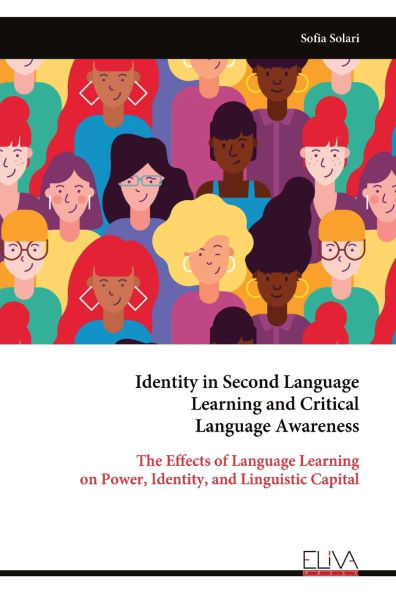
Identity in Second Language Learning and Critical Language Awareness: The Effects of Language Learning on Power, Identity, and Linguistic Capital in Chattanooga, TN
Current price: $42.50
Barnes and Noble
Identity in Second Language Learning and Critical Language Awareness: The Effects of Language Learning on Power, Identity, and Linguistic Capital in Chattanooga, TN
Current price: $42.50
Loading Inventory...
Size: OS
This paper explores the complex relationship between second language acquisition (SLA) and identity, emphasizing how language learning shapes and is shaped by self-perception. Drawing on Norton's (1995) work and Pierre Bourdieu's theory of linguistic capital, it argues that identity is not static or singular but constantly negotiated through social and linguistic interactions. While SLA can reinforce social hierarchies-such as native vs. non-native speakers or urban vs. rural learners-it also has the potential to empower individuals and foster the development of multifaceted identities. Bourdieu's framework reveals how language operates as a form of capital that influences educational and social experiences, especially in multilingual or marginalized communities. The paper also engages with Critical Language Awareness (CLA), which challenges the neutrality of language and highlights how language use reflects and reinforces power dynamics, privilege, and inequality. Standard English, often treated as the linguistic "norm," marginalizes speakers of other dialects and varieties. CLA pedagogies question these norms and encourage students to reflect critically on how language shapes identity, status, and access to opportunities. By promoting linguistic diversity and student agency, CLA offers a powerful tool for transforming writing instruction and classroom discourse, particularly in ESL and L2 contexts. Through research and classroom-based studies, this paper argues that CLA and Bourdieu's theory together provide a framework for understanding how language learners navigate social expectations, resist dominant linguistic ideologies, and construct more inclusive identities in educational settings.
This paper explores the complex relationship between second language acquisition (SLA) and identity, emphasizing how language learning shapes and is shaped by self-perception. Drawing on Norton's (1995) work and Pierre Bourdieu's theory of linguistic capital, it argues that identity is not static or singular but constantly negotiated through social and linguistic interactions. While SLA can reinforce social hierarchies-such as native vs. non-native speakers or urban vs. rural learners-it also has the potential to empower individuals and foster the development of multifaceted identities. Bourdieu's framework reveals how language operates as a form of capital that influences educational and social experiences, especially in multilingual or marginalized communities. The paper also engages with Critical Language Awareness (CLA), which challenges the neutrality of language and highlights how language use reflects and reinforces power dynamics, privilege, and inequality. Standard English, often treated as the linguistic "norm," marginalizes speakers of other dialects and varieties. CLA pedagogies question these norms and encourage students to reflect critically on how language shapes identity, status, and access to opportunities. By promoting linguistic diversity and student agency, CLA offers a powerful tool for transforming writing instruction and classroom discourse, particularly in ESL and L2 contexts. Through research and classroom-based studies, this paper argues that CLA and Bourdieu's theory together provide a framework for understanding how language learners navigate social expectations, resist dominant linguistic ideologies, and construct more inclusive identities in educational settings.
You May Also Like










More About Barnes and Noble at Hamilton Place
Barnes & Noble is the world’s largest retail bookseller and a leading retailer of content, digital media and educational products. Our Nook Digital business offers a lineup of NOOK® tablets and e-Readers and an expansive collection of digital reading content through the NOOK Store®. Barnes & Noble’s mission is to operate the best omni-channel specialty retail business in America, helping both our customers and booksellers reach their aspirations, while being a credit to the communities we serve.
2100 Hamilton Pl Blvd, Chattanooga, TN 37421, United States
Find Barnes and Noble at Hamilton Place in Chattanooga, TN
Visit Barnes and Noble at Hamilton Place in Chattanooga, TN
