
Home
Identification of Vegetable Fibres
Barnes and Noble
Loading Inventory...
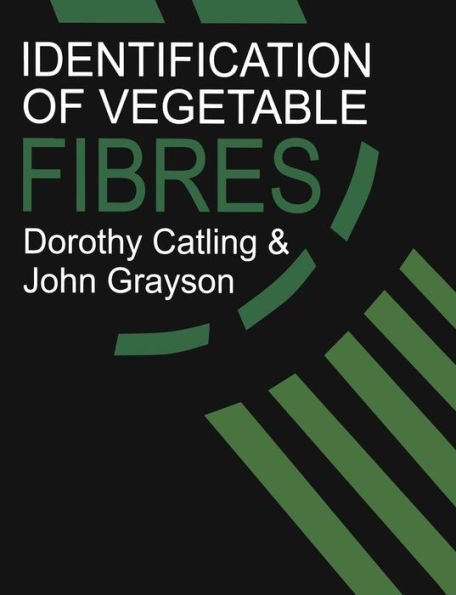
Identification of Vegetable Fibres in Chattanooga, TN
Current price: $54.99
Barnes and Noble
Identification of Vegetable Fibres in Chattanooga, TN
Current price: $54.99
Loading Inventory...
Size: OS
It is often possible to identify fragments of plants by studying their microscopical characteristics. The recognition of a single feature very rarely establishes the plant's identity; more often, it is necessary to recognize a unique combination of characteris tics. For plant identification, the most valuable characteristics are those least likely to be affected by changes in environment; if the feature is uncommon as well as stable, it is even more useful. Good descriptions of the anatomy of plants are invaluable. For example, The Identifi cation of Hardwoods (Brazier and Franklin, 1961), together with its punched card key, is an excellent book which is useful in practice. Characters describing the sc1erenchyma account for only three places in this key. Using only these characters, it would be impossible to identify a timber. Is it possible then, to identify a species given only sc1erenchyma in the form of a commercial fibre? If it is possible, it is not easy. Although, for many purposes, plant fibres are being replaced by man-made fibres, vegetable fibres are still used, particularly in sacking and cordage and in some indus trial materials. Articles which must be examined in a forensic science laboratory are not always of recent manufacture and archaeologists and historians are interested in older materials. Therefore, it is still necessary for many workers to identify the plant species from which fibres have been extracted.
It is often possible to identify fragments of plants by studying their microscopical characteristics. The recognition of a single feature very rarely establishes the plant's identity; more often, it is necessary to recognize a unique combination of characteris tics. For plant identification, the most valuable characteristics are those least likely to be affected by changes in environment; if the feature is uncommon as well as stable, it is even more useful. Good descriptions of the anatomy of plants are invaluable. For example, The Identifi cation of Hardwoods (Brazier and Franklin, 1961), together with its punched card key, is an excellent book which is useful in practice. Characters describing the sc1erenchyma account for only three places in this key. Using only these characters, it would be impossible to identify a timber. Is it possible then, to identify a species given only sc1erenchyma in the form of a commercial fibre? If it is possible, it is not easy. Although, for many purposes, plant fibres are being replaced by man-made fibres, vegetable fibres are still used, particularly in sacking and cordage and in some indus trial materials. Articles which must be examined in a forensic science laboratory are not always of recent manufacture and archaeologists and historians are interested in older materials. Therefore, it is still necessary for many workers to identify the plant species from which fibres have been extracted.
You May Also Like











More About Barnes and Noble at Hamilton Place
Barnes & Noble is the world’s largest retail bookseller and a leading retailer of content, digital media and educational products. Our Nook Digital business offers a lineup of NOOK® tablets and e-Readers and an expansive collection of digital reading content through the NOOK Store®. Barnes & Noble’s mission is to operate the best omni-channel specialty retail business in America, helping both our customers and booksellers reach their aspirations, while being a credit to the communities we serve.
2100 Hamilton Pl Blvd, Chattanooga, TN 37421, United States
Find Barnes and Noble at Hamilton Place in Chattanooga, TN
Visit Barnes and Noble at Hamilton Place in Chattanooga, TN