
Home
Hysteria, Perversion, and Paranoia "The Canterbury Tales": "Wild" Analysis the Symptomatic Storyteller
Barnes and Noble
Loading Inventory...
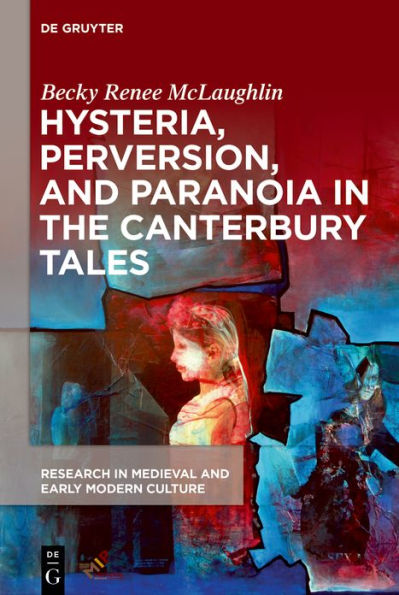
Hysteria, Perversion, and Paranoia "The Canterbury Tales": "Wild" Analysis the Symptomatic Storyteller in Chattanooga, TN
Current price: $128.99
Barnes and Noble
Hysteria, Perversion, and Paranoia "The Canterbury Tales": "Wild" Analysis the Symptomatic Storyteller in Chattanooga, TN
Current price: $128.99
Loading Inventory...
Size: Hardcover
Beginning with the spectacle of hysteria, moving through the perversions of fetishism, masochism, and sadism, and ending with paranoia and psychosis, this book explores the ways that conflicts with the Oedipal law erupt on the body and in language in Chaucer’s
Canterbury Tales
, for Chaucer’s tales are rife with issues of mastery and control that emerge as conflicts not only between authority and experience but also between power and knowledge, word and flesh, rule books and reason, man and woman, same and other – conflicts that erupt in a macabre sprawl of broken bones, dismembered bodies, cut throats, and decapitations. Like the macabre sprawl of conflict in the
, this book brings together a number of conflicting modes of thinking and writing through the surprising and perhaps disconcerting use of “shadow” chapters that speak to or against the four “central” chapters, creating both dialogue and interruption.
Canterbury Tales
, for Chaucer’s tales are rife with issues of mastery and control that emerge as conflicts not only between authority and experience but also between power and knowledge, word and flesh, rule books and reason, man and woman, same and other – conflicts that erupt in a macabre sprawl of broken bones, dismembered bodies, cut throats, and decapitations. Like the macabre sprawl of conflict in the
, this book brings together a number of conflicting modes of thinking and writing through the surprising and perhaps disconcerting use of “shadow” chapters that speak to or against the four “central” chapters, creating both dialogue and interruption.
Beginning with the spectacle of hysteria, moving through the perversions of fetishism, masochism, and sadism, and ending with paranoia and psychosis, this book explores the ways that conflicts with the Oedipal law erupt on the body and in language in Chaucer’s
Canterbury Tales
, for Chaucer’s tales are rife with issues of mastery and control that emerge as conflicts not only between authority and experience but also between power and knowledge, word and flesh, rule books and reason, man and woman, same and other – conflicts that erupt in a macabre sprawl of broken bones, dismembered bodies, cut throats, and decapitations. Like the macabre sprawl of conflict in the
, this book brings together a number of conflicting modes of thinking and writing through the surprising and perhaps disconcerting use of “shadow” chapters that speak to or against the four “central” chapters, creating both dialogue and interruption.
Canterbury Tales
, for Chaucer’s tales are rife with issues of mastery and control that emerge as conflicts not only between authority and experience but also between power and knowledge, word and flesh, rule books and reason, man and woman, same and other – conflicts that erupt in a macabre sprawl of broken bones, dismembered bodies, cut throats, and decapitations. Like the macabre sprawl of conflict in the
, this book brings together a number of conflicting modes of thinking and writing through the surprising and perhaps disconcerting use of “shadow” chapters that speak to or against the four “central” chapters, creating both dialogue and interruption.
You May Also Like













More About Barnes and Noble at Hamilton Place
Barnes & Noble is the world’s largest retail bookseller and a leading retailer of content, digital media and educational products. Our Nook Digital business offers a lineup of NOOK® tablets and e-Readers and an expansive collection of digital reading content through the NOOK Store®. Barnes & Noble’s mission is to operate the best omni-channel specialty retail business in America, helping both our customers and booksellers reach their aspirations, while being a credit to the communities we serve.
2100 Hamilton Pl Blvd, Chattanooga, TN 37421, United States
Find Barnes and Noble at Hamilton Place in Chattanooga, TN
Visit Barnes and Noble at Hamilton Place in Chattanooga, TN