
Home
Hydrogeochemistry of Aquatic Ecosystems
Barnes and Noble
Loading Inventory...
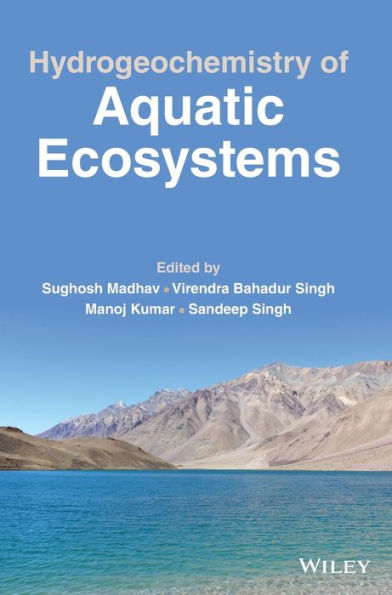
Hydrogeochemistry of Aquatic Ecosystems in Chattanooga, TN
Current price: $180.00
Barnes and Noble
Hydrogeochemistry of Aquatic Ecosystems in Chattanooga, TN
Current price: $180.00
Loading Inventory...
Size: Hardcover
Hydrogeochemistry of Aquatic Ecosystems
Discover the geological foundation of global water supply, focusing on resource conservation and restoration
Hydrogeochemistry explores the connections between the geology of a region and the chemical characteristics and quality of its water sources, including such factors as erosion, evaporation, and, increasingly, man-made activities. With the emergence of climate change as a major factor reshaping water quality and availability, the need to understand interactions between hydrochemistry and geology has never been greater.
meets this need by offering foundational knowledge about the hydrochemistry of different types of aquatic systems, the nature of their interactions with various pollutants and geological processes, and the possibilities and dangers of human intervention. With a particular focus on aqueous resource conservation and restoration, this is a vital, timely guide to a potentially life-saving subject.
readers will also find:
Detailed treatment of water-sediment interactions, arsenic and fluoride enrichment, sand mining, and many other subjects
Coverage throughout of solute acquisition processes, the carbon cycle, and nutrient geochemistry
Case studies from Asia and Africa demonstrating both natural and anthropogenic hydrogeochemical interactions
is indispensable for professionals and researchers in environmental science and environmental engineering, as well as scholars and advanced graduate students working on aquatic ecosystems or effects of climate change.
Discover the geological foundation of global water supply, focusing on resource conservation and restoration
Hydrogeochemistry explores the connections between the geology of a region and the chemical characteristics and quality of its water sources, including such factors as erosion, evaporation, and, increasingly, man-made activities. With the emergence of climate change as a major factor reshaping water quality and availability, the need to understand interactions between hydrochemistry and geology has never been greater.
meets this need by offering foundational knowledge about the hydrochemistry of different types of aquatic systems, the nature of their interactions with various pollutants and geological processes, and the possibilities and dangers of human intervention. With a particular focus on aqueous resource conservation and restoration, this is a vital, timely guide to a potentially life-saving subject.
readers will also find:
Detailed treatment of water-sediment interactions, arsenic and fluoride enrichment, sand mining, and many other subjects
Coverage throughout of solute acquisition processes, the carbon cycle, and nutrient geochemistry
Case studies from Asia and Africa demonstrating both natural and anthropogenic hydrogeochemical interactions
is indispensable for professionals and researchers in environmental science and environmental engineering, as well as scholars and advanced graduate students working on aquatic ecosystems or effects of climate change.
Hydrogeochemistry of Aquatic Ecosystems
Discover the geological foundation of global water supply, focusing on resource conservation and restoration
Hydrogeochemistry explores the connections between the geology of a region and the chemical characteristics and quality of its water sources, including such factors as erosion, evaporation, and, increasingly, man-made activities. With the emergence of climate change as a major factor reshaping water quality and availability, the need to understand interactions between hydrochemistry and geology has never been greater.
meets this need by offering foundational knowledge about the hydrochemistry of different types of aquatic systems, the nature of their interactions with various pollutants and geological processes, and the possibilities and dangers of human intervention. With a particular focus on aqueous resource conservation and restoration, this is a vital, timely guide to a potentially life-saving subject.
readers will also find:
Detailed treatment of water-sediment interactions, arsenic and fluoride enrichment, sand mining, and many other subjects
Coverage throughout of solute acquisition processes, the carbon cycle, and nutrient geochemistry
Case studies from Asia and Africa demonstrating both natural and anthropogenic hydrogeochemical interactions
is indispensable for professionals and researchers in environmental science and environmental engineering, as well as scholars and advanced graduate students working on aquatic ecosystems or effects of climate change.
Discover the geological foundation of global water supply, focusing on resource conservation and restoration
Hydrogeochemistry explores the connections between the geology of a region and the chemical characteristics and quality of its water sources, including such factors as erosion, evaporation, and, increasingly, man-made activities. With the emergence of climate change as a major factor reshaping water quality and availability, the need to understand interactions between hydrochemistry and geology has never been greater.
meets this need by offering foundational knowledge about the hydrochemistry of different types of aquatic systems, the nature of their interactions with various pollutants and geological processes, and the possibilities and dangers of human intervention. With a particular focus on aqueous resource conservation and restoration, this is a vital, timely guide to a potentially life-saving subject.
readers will also find:
Detailed treatment of water-sediment interactions, arsenic and fluoride enrichment, sand mining, and many other subjects
Coverage throughout of solute acquisition processes, the carbon cycle, and nutrient geochemistry
Case studies from Asia and Africa demonstrating both natural and anthropogenic hydrogeochemical interactions
is indispensable for professionals and researchers in environmental science and environmental engineering, as well as scholars and advanced graduate students working on aquatic ecosystems or effects of climate change.
You May Also Like










More About Barnes and Noble at Hamilton Place
Barnes & Noble is the world’s largest retail bookseller and a leading retailer of content, digital media and educational products. Our Nook Digital business offers a lineup of NOOK® tablets and e-Readers and an expansive collection of digital reading content through the NOOK Store®. Barnes & Noble’s mission is to operate the best omni-channel specialty retail business in America, helping both our customers and booksellers reach their aspirations, while being a credit to the communities we serve.
2100 Hamilton Pl Blvd, Chattanooga, TN 37421, United States
Find Barnes and Noble at Hamilton Place in Chattanooga, TN
Visit Barnes and Noble at Hamilton Place in Chattanooga, TN
