
Home
Human-Divine Interactions the Hebrew Scriptures: Covenants and Cross-Purposes
Barnes and Noble
Loading Inventory...
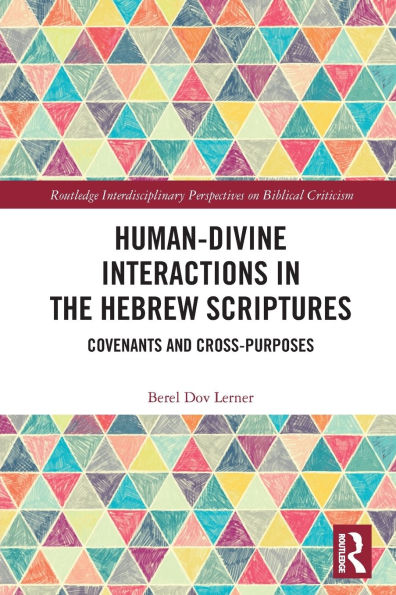
Human-Divine Interactions the Hebrew Scriptures: Covenants and Cross-Purposes in Chattanooga, TN
Current price: $190.00
Barnes and Noble
Human-Divine Interactions the Hebrew Scriptures: Covenants and Cross-Purposes in Chattanooga, TN
Current price: $190.00
Loading Inventory...
Size: Hardcover
Rabbi Sacks Book Prize Finalist 2024.
This book addresses central theological issues and biblical narratives in terms of a bold thesis regarding relations between God and humans: that the actions of God and the actions of humans are informed by independently valid moral viewpoints which do not entirely overlap. The author suggests that God’s plans and actions refl ect the interests and obligations appropriate to His goal of creating a worthy world, but not necessarily
our
world. In contrast, humans must attend to special obligations grounded in their dependence on their existing created world and in their particular places in the human family. However, in acts of grace, God voluntarily takes on special obligations toward the created world by entering covenants with its inhabitants. When the covenant involves reciprocal obligations, as in the case of God’s covenant with Israel, it also recruits human beings to play conscious roles in God’s larger plans. These covenants frame the moral parameters of human-divine interaction and cooperation in which each party strains to negotiate confl icts between its original duties and the new obligations generated by covenants. The interpretive discussions in this book involve close readings of the Hebrew text and are also informed by rabbinic tradition and Western philosophy. They address major issues that are of relevance to scholars of the bible, theology, and philosophy of religion, including the relationship between divine commands and morality, God’s responsibility for human suff ering, God’s role in history and the intersection between politics and religion.
This book addresses central theological issues and biblical narratives in terms of a bold thesis regarding relations between God and humans: that the actions of God and the actions of humans are informed by independently valid moral viewpoints which do not entirely overlap. The author suggests that God’s plans and actions refl ect the interests and obligations appropriate to His goal of creating a worthy world, but not necessarily
our
world. In contrast, humans must attend to special obligations grounded in their dependence on their existing created world and in their particular places in the human family. However, in acts of grace, God voluntarily takes on special obligations toward the created world by entering covenants with its inhabitants. When the covenant involves reciprocal obligations, as in the case of God’s covenant with Israel, it also recruits human beings to play conscious roles in God’s larger plans. These covenants frame the moral parameters of human-divine interaction and cooperation in which each party strains to negotiate confl icts between its original duties and the new obligations generated by covenants. The interpretive discussions in this book involve close readings of the Hebrew text and are also informed by rabbinic tradition and Western philosophy. They address major issues that are of relevance to scholars of the bible, theology, and philosophy of religion, including the relationship between divine commands and morality, God’s responsibility for human suff ering, God’s role in history and the intersection between politics and religion.
Rabbi Sacks Book Prize Finalist 2024.
This book addresses central theological issues and biblical narratives in terms of a bold thesis regarding relations between God and humans: that the actions of God and the actions of humans are informed by independently valid moral viewpoints which do not entirely overlap. The author suggests that God’s plans and actions refl ect the interests and obligations appropriate to His goal of creating a worthy world, but not necessarily
our
world. In contrast, humans must attend to special obligations grounded in their dependence on their existing created world and in their particular places in the human family. However, in acts of grace, God voluntarily takes on special obligations toward the created world by entering covenants with its inhabitants. When the covenant involves reciprocal obligations, as in the case of God’s covenant with Israel, it also recruits human beings to play conscious roles in God’s larger plans. These covenants frame the moral parameters of human-divine interaction and cooperation in which each party strains to negotiate confl icts between its original duties and the new obligations generated by covenants. The interpretive discussions in this book involve close readings of the Hebrew text and are also informed by rabbinic tradition and Western philosophy. They address major issues that are of relevance to scholars of the bible, theology, and philosophy of religion, including the relationship between divine commands and morality, God’s responsibility for human suff ering, God’s role in history and the intersection between politics and religion.
This book addresses central theological issues and biblical narratives in terms of a bold thesis regarding relations between God and humans: that the actions of God and the actions of humans are informed by independently valid moral viewpoints which do not entirely overlap. The author suggests that God’s plans and actions refl ect the interests and obligations appropriate to His goal of creating a worthy world, but not necessarily
our
world. In contrast, humans must attend to special obligations grounded in their dependence on their existing created world and in their particular places in the human family. However, in acts of grace, God voluntarily takes on special obligations toward the created world by entering covenants with its inhabitants. When the covenant involves reciprocal obligations, as in the case of God’s covenant with Israel, it also recruits human beings to play conscious roles in God’s larger plans. These covenants frame the moral parameters of human-divine interaction and cooperation in which each party strains to negotiate confl icts between its original duties and the new obligations generated by covenants. The interpretive discussions in this book involve close readings of the Hebrew text and are also informed by rabbinic tradition and Western philosophy. They address major issues that are of relevance to scholars of the bible, theology, and philosophy of religion, including the relationship between divine commands and morality, God’s responsibility for human suff ering, God’s role in history and the intersection between politics and religion.
You May Also Like











More About Barnes and Noble at Hamilton Place
Barnes & Noble is the world’s largest retail bookseller and a leading retailer of content, digital media and educational products. Our Nook Digital business offers a lineup of NOOK® tablets and e-Readers and an expansive collection of digital reading content through the NOOK Store®. Barnes & Noble’s mission is to operate the best omni-channel specialty retail business in America, helping both our customers and booksellers reach their aspirations, while being a credit to the communities we serve.
2100 Hamilton Pl Blvd, Chattanooga, TN 37421, United States
Find Barnes and Noble at Hamilton Place in Chattanooga, TN
Visit Barnes and Noble at Hamilton Place in Chattanooga, TN
