
Home
Honey produced by honey bees (Apis mellifera) in the Para�ba hinterland
Barnes and Noble
Loading Inventory...
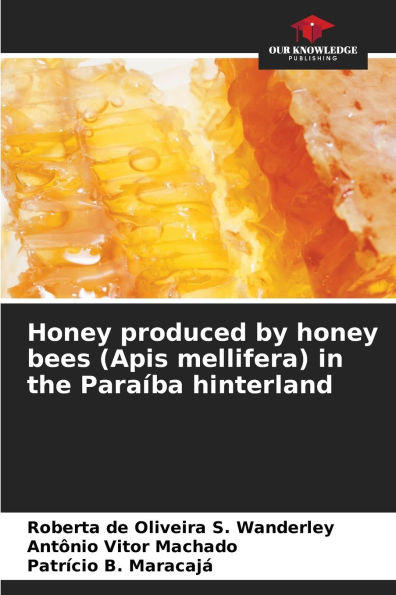
Honey produced by honey bees (Apis mellifera) in the Para�ba hinterland in Chattanooga, TN
Current price: $41.00
Barnes and Noble
Honey produced by honey bees (Apis mellifera) in the Para�ba hinterland in Chattanooga, TN
Current price: $41.00
Loading Inventory...
Size: OS
Honey is a natural product made by bees from flower nectar. It has nutritional and therapeutic properties and is highly valuable commercially. It is a complex biological product whose quality and physical and chemical composition vary significantly depending on the flora visited, the climatic and soil conditions of the production region, and the beekeeper's management practices. Honey quality control is not a common practice among producers and traders. This study analyses the physical, chemical and microbiological characteristics of honey produced by Apis mellifera bees from different associations and informal beekeepers in the Sertão region of Paraíba. Twenty samples from different producers and brands were analysed, with tests conducted with a minimum of three repetitions. According to the results, among the honeys analysed, those purchased from informal producers were the ones that presented the highest number of parameters in non-compliance with the quality standards in force in the country and that, despite the low confidence that honey samples sold informally convey to consumers, no product with signs of fraud was detected in the samples analysed.
Honey is a natural product made by bees from flower nectar. It has nutritional and therapeutic properties and is highly valuable commercially. It is a complex biological product whose quality and physical and chemical composition vary significantly depending on the flora visited, the climatic and soil conditions of the production region, and the beekeeper's management practices. Honey quality control is not a common practice among producers and traders. This study analyses the physical, chemical and microbiological characteristics of honey produced by Apis mellifera bees from different associations and informal beekeepers in the Sertão region of Paraíba. Twenty samples from different producers and brands were analysed, with tests conducted with a minimum of three repetitions. According to the results, among the honeys analysed, those purchased from informal producers were the ones that presented the highest number of parameters in non-compliance with the quality standards in force in the country and that, despite the low confidence that honey samples sold informally convey to consumers, no product with signs of fraud was detected in the samples analysed.
You May Also Like











More About Barnes and Noble at Hamilton Place
Barnes & Noble is the world’s largest retail bookseller and a leading retailer of content, digital media and educational products. Our Nook Digital business offers a lineup of NOOK® tablets and e-Readers and an expansive collection of digital reading content through the NOOK Store®. Barnes & Noble’s mission is to operate the best omni-channel specialty retail business in America, helping both our customers and booksellers reach their aspirations, while being a credit to the communities we serve.
2100 Hamilton Pl Blvd, Chattanooga, TN 37421, United States
Find Barnes and Noble at Hamilton Place in Chattanooga, TN
Visit Barnes and Noble at Hamilton Place in Chattanooga, TN
