
Home
Harvard Studies in Classical Philology, Volume 102
Barnes and Noble
Loading Inventory...
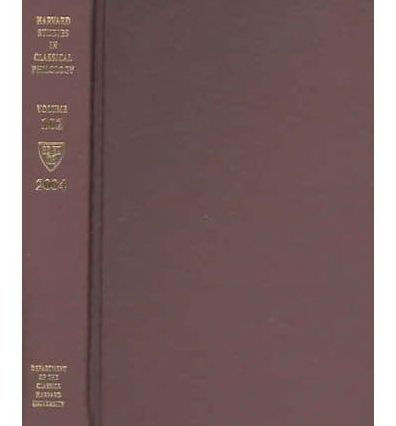
Harvard Studies in Classical Philology, Volume 102 in Chattanooga, TN
Current price: $49.50
Barnes and Noble
Harvard Studies in Classical Philology, Volume 102 in Chattanooga, TN
Current price: $49.50
Loading Inventory...
Size: OS
Volume 102 of
Harvard Studies in Classical Philology
includes the following contributions: Mika Kajava, “Hestia: Hearth, Goddess, and Cult”; Jonathan Burgess, “Untrustworthy Apollo and the Destiny of Achilles:
Iliad
24.55–63”; Anna Bonifazi, “Relative Pronouns and Memory: Pindar beyond Syntax”; William Race, “Pindar’s
Olympian
11 Re-Visited Post-Bundy”; Michael Clarke, “An Ox-Fronted River-God (Sophocles,
Trachiniae
12–13)”; William Allan, “Religious Syncretism: The New Gods of Greek Tragedy”; Edward Harris, “Notes on a Lead Letter from the Athenian Agora”; Miriam Hecquet-Devienne, “A Legacy from the Library of the Lyceum? Inquiry into the Joint Transmission of Theophrastus’ and Aristotle’s
Metaphysics
Based on Evidence Provided by Manuscripts E and J”; Jordi Pàmias, “Dionysus and Donkeys on the Streets of Alexandria: Eratosthenes’ Criticism of Ptolemaic Ideology”; Craige B. Champion, “Polybian Demagogues in Political Context”; Marco Fantuzzi, “The Magic of (Some) Allusions: Philodemus
AP
5.107 (GPh 3188 ff.; 23 Sider)”; Brian Krostenko, “Binary Phrases and the Middle Style as Social Code:
Rhetorica ad Herennium
”; Deborah Steiner, “Catullan Excavations: Pindar’s
10 and Catullus 68”; Andrew Dyck, “Cicero’s
Devotio
: The Rôles of
Dux
and Scape-Goat in His
Post Reditum
Rhetoric”; Mario Geymonat, “
Capellae
at the End of the
Eclogues
”; Sergio Casali, “Nisus and Euryalus: Exploiting the Contradictions in Virgil’s
Doloneia
”; Thomas Cole, “Ovid, Varro, and Castor of Rhodes: The Chronological Architecture of the
Metamorphoses
”; Niklas Holzberg, “Impersonating the Banished Philosopher: Pseudo-Seneca’s
Liber Epigrammaton
”; E. Courtney, “On Editing the
Silvae
”; and D. R. Shackleton Bailey, “On Editing the
: A Response.”
Harvard Studies in Classical Philology
includes the following contributions: Mika Kajava, “Hestia: Hearth, Goddess, and Cult”; Jonathan Burgess, “Untrustworthy Apollo and the Destiny of Achilles:
Iliad
24.55–63”; Anna Bonifazi, “Relative Pronouns and Memory: Pindar beyond Syntax”; William Race, “Pindar’s
Olympian
11 Re-Visited Post-Bundy”; Michael Clarke, “An Ox-Fronted River-God (Sophocles,
Trachiniae
12–13)”; William Allan, “Religious Syncretism: The New Gods of Greek Tragedy”; Edward Harris, “Notes on a Lead Letter from the Athenian Agora”; Miriam Hecquet-Devienne, “A Legacy from the Library of the Lyceum? Inquiry into the Joint Transmission of Theophrastus’ and Aristotle’s
Metaphysics
Based on Evidence Provided by Manuscripts E and J”; Jordi Pàmias, “Dionysus and Donkeys on the Streets of Alexandria: Eratosthenes’ Criticism of Ptolemaic Ideology”; Craige B. Champion, “Polybian Demagogues in Political Context”; Marco Fantuzzi, “The Magic of (Some) Allusions: Philodemus
AP
5.107 (GPh 3188 ff.; 23 Sider)”; Brian Krostenko, “Binary Phrases and the Middle Style as Social Code:
Rhetorica ad Herennium
”; Deborah Steiner, “Catullan Excavations: Pindar’s
10 and Catullus 68”; Andrew Dyck, “Cicero’s
Devotio
: The Rôles of
Dux
and Scape-Goat in His
Post Reditum
Rhetoric”; Mario Geymonat, “
Capellae
at the End of the
Eclogues
”; Sergio Casali, “Nisus and Euryalus: Exploiting the Contradictions in Virgil’s
Doloneia
”; Thomas Cole, “Ovid, Varro, and Castor of Rhodes: The Chronological Architecture of the
Metamorphoses
”; Niklas Holzberg, “Impersonating the Banished Philosopher: Pseudo-Seneca’s
Liber Epigrammaton
”; E. Courtney, “On Editing the
Silvae
”; and D. R. Shackleton Bailey, “On Editing the
: A Response.”
Volume 102 of
Harvard Studies in Classical Philology
includes the following contributions: Mika Kajava, “Hestia: Hearth, Goddess, and Cult”; Jonathan Burgess, “Untrustworthy Apollo and the Destiny of Achilles:
Iliad
24.55–63”; Anna Bonifazi, “Relative Pronouns and Memory: Pindar beyond Syntax”; William Race, “Pindar’s
Olympian
11 Re-Visited Post-Bundy”; Michael Clarke, “An Ox-Fronted River-God (Sophocles,
Trachiniae
12–13)”; William Allan, “Religious Syncretism: The New Gods of Greek Tragedy”; Edward Harris, “Notes on a Lead Letter from the Athenian Agora”; Miriam Hecquet-Devienne, “A Legacy from the Library of the Lyceum? Inquiry into the Joint Transmission of Theophrastus’ and Aristotle’s
Metaphysics
Based on Evidence Provided by Manuscripts E and J”; Jordi Pàmias, “Dionysus and Donkeys on the Streets of Alexandria: Eratosthenes’ Criticism of Ptolemaic Ideology”; Craige B. Champion, “Polybian Demagogues in Political Context”; Marco Fantuzzi, “The Magic of (Some) Allusions: Philodemus
AP
5.107 (GPh 3188 ff.; 23 Sider)”; Brian Krostenko, “Binary Phrases and the Middle Style as Social Code:
Rhetorica ad Herennium
”; Deborah Steiner, “Catullan Excavations: Pindar’s
10 and Catullus 68”; Andrew Dyck, “Cicero’s
Devotio
: The Rôles of
Dux
and Scape-Goat in His
Post Reditum
Rhetoric”; Mario Geymonat, “
Capellae
at the End of the
Eclogues
”; Sergio Casali, “Nisus and Euryalus: Exploiting the Contradictions in Virgil’s
Doloneia
”; Thomas Cole, “Ovid, Varro, and Castor of Rhodes: The Chronological Architecture of the
Metamorphoses
”; Niklas Holzberg, “Impersonating the Banished Philosopher: Pseudo-Seneca’s
Liber Epigrammaton
”; E. Courtney, “On Editing the
Silvae
”; and D. R. Shackleton Bailey, “On Editing the
: A Response.”
Harvard Studies in Classical Philology
includes the following contributions: Mika Kajava, “Hestia: Hearth, Goddess, and Cult”; Jonathan Burgess, “Untrustworthy Apollo and the Destiny of Achilles:
Iliad
24.55–63”; Anna Bonifazi, “Relative Pronouns and Memory: Pindar beyond Syntax”; William Race, “Pindar’s
Olympian
11 Re-Visited Post-Bundy”; Michael Clarke, “An Ox-Fronted River-God (Sophocles,
Trachiniae
12–13)”; William Allan, “Religious Syncretism: The New Gods of Greek Tragedy”; Edward Harris, “Notes on a Lead Letter from the Athenian Agora”; Miriam Hecquet-Devienne, “A Legacy from the Library of the Lyceum? Inquiry into the Joint Transmission of Theophrastus’ and Aristotle’s
Metaphysics
Based on Evidence Provided by Manuscripts E and J”; Jordi Pàmias, “Dionysus and Donkeys on the Streets of Alexandria: Eratosthenes’ Criticism of Ptolemaic Ideology”; Craige B. Champion, “Polybian Demagogues in Political Context”; Marco Fantuzzi, “The Magic of (Some) Allusions: Philodemus
AP
5.107 (GPh 3188 ff.; 23 Sider)”; Brian Krostenko, “Binary Phrases and the Middle Style as Social Code:
Rhetorica ad Herennium
”; Deborah Steiner, “Catullan Excavations: Pindar’s
10 and Catullus 68”; Andrew Dyck, “Cicero’s
Devotio
: The Rôles of
Dux
and Scape-Goat in His
Post Reditum
Rhetoric”; Mario Geymonat, “
Capellae
at the End of the
Eclogues
”; Sergio Casali, “Nisus and Euryalus: Exploiting the Contradictions in Virgil’s
Doloneia
”; Thomas Cole, “Ovid, Varro, and Castor of Rhodes: The Chronological Architecture of the
Metamorphoses
”; Niklas Holzberg, “Impersonating the Banished Philosopher: Pseudo-Seneca’s
Liber Epigrammaton
”; E. Courtney, “On Editing the
Silvae
”; and D. R. Shackleton Bailey, “On Editing the
: A Response.”
You May Also Like









More About Barnes and Noble at Hamilton Place
Barnes & Noble is the world’s largest retail bookseller and a leading retailer of content, digital media and educational products. Our Nook Digital business offers a lineup of NOOK® tablets and e-Readers and an expansive collection of digital reading content through the NOOK Store®. Barnes & Noble’s mission is to operate the best omni-channel specialty retail business in America, helping both our customers and booksellers reach their aspirations, while being a credit to the communities we serve.
2100 Hamilton Pl Blvd, Chattanooga, TN 37421, United States
Find Barnes and Noble at Hamilton Place in Chattanooga, TN
Visit Barnes and Noble at Hamilton Place in Chattanooga, TN
