
Home
Handbook of Graphene, Volume 1: Growth, Synthesis, and Functionalization
Barnes and Noble
Loading Inventory...
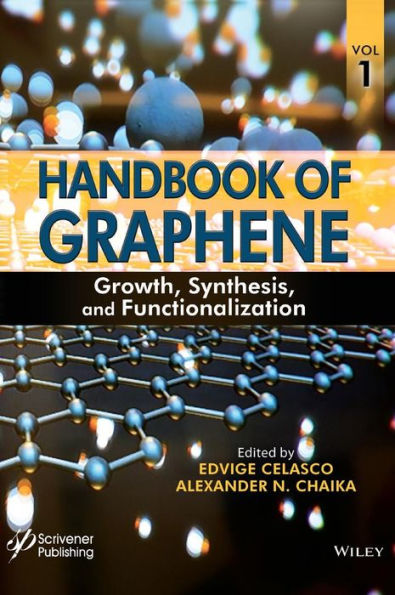
Handbook of Graphene, Volume 1: Growth, Synthesis, and Functionalization in Chattanooga, TN
Current price: $296.95
Barnes and Noble
Handbook of Graphene, Volume 1: Growth, Synthesis, and Functionalization in Chattanooga, TN
Current price: $296.95
Loading Inventory...
Size: Hardcover
This unique multidisciplinary 8-volume set focuses on the emerging issues concerning graphene materials and provides a shared platform for both researcher and industry.
The
Handbook of Graphene
comprises a set of 8 individual volumes that brings an interdisciplinary perspective to accomplish a more detailed understanding of the interplay between the synthesis, structure, characterization, processing, applications and performance of the advanced materials. The
comprises 140 chapters from world renowned experts.
Volume 1 is solely focused on
Growth, Synthesis, and Functionalization of Graphene
. Some of the important topics include but not limited to: Graphite in metallic materials-growths, structures and defects of spheroidal graphite in ductile iron; synthesis and quality optimization; methods of synthesis and physico-chemical properties of fluorographenes; graphene-SiC reinforced hybrid composite foam: response to high strain rate deformation; atomic structure and electronic properties of few-layer graphene on SiC(001); features and prospects for epitaxial graphene on SiC; graphitic carbon/graphene on Si(111) via direct deposition of solid-state carbon atoms: growth mechanism and film characterization; chemical reactivity and variation in electronical properties of graphene on Ni(111) and reduced graphene oxide; chlorophyll and graphene: a new paradigm of biomimetic symphony; graphene structures: from preparations to applications; three-dimensional graphene-based structures: production methods, properties and applications; electrochemistry of graphene materials; hydrogen functionalized graphene nanostructure material for spintronic application; the impact of uniaxial strain and defect pattern on magnetoelectronic and transport properties of graphene; exploiting graphene as an efficient catalytic template for organic transformations: synthesis, characterization and activity evaluation of graphene-based catalysts; exfoliated graphene based 2D materials; synthesis and catalytic behaviors; functionalization of graphene with molecules and/or nanoparticles for advanced applications; carbon allotropes "between diamond and graphite": how to create semiconductor properties in graphene and related structures.
The
Handbook of Graphene
comprises a set of 8 individual volumes that brings an interdisciplinary perspective to accomplish a more detailed understanding of the interplay between the synthesis, structure, characterization, processing, applications and performance of the advanced materials. The
comprises 140 chapters from world renowned experts.
Volume 1 is solely focused on
Growth, Synthesis, and Functionalization of Graphene
. Some of the important topics include but not limited to: Graphite in metallic materials-growths, structures and defects of spheroidal graphite in ductile iron; synthesis and quality optimization; methods of synthesis and physico-chemical properties of fluorographenes; graphene-SiC reinforced hybrid composite foam: response to high strain rate deformation; atomic structure and electronic properties of few-layer graphene on SiC(001); features and prospects for epitaxial graphene on SiC; graphitic carbon/graphene on Si(111) via direct deposition of solid-state carbon atoms: growth mechanism and film characterization; chemical reactivity and variation in electronical properties of graphene on Ni(111) and reduced graphene oxide; chlorophyll and graphene: a new paradigm of biomimetic symphony; graphene structures: from preparations to applications; three-dimensional graphene-based structures: production methods, properties and applications; electrochemistry of graphene materials; hydrogen functionalized graphene nanostructure material for spintronic application; the impact of uniaxial strain and defect pattern on magnetoelectronic and transport properties of graphene; exploiting graphene as an efficient catalytic template for organic transformations: synthesis, characterization and activity evaluation of graphene-based catalysts; exfoliated graphene based 2D materials; synthesis and catalytic behaviors; functionalization of graphene with molecules and/or nanoparticles for advanced applications; carbon allotropes "between diamond and graphite": how to create semiconductor properties in graphene and related structures.
This unique multidisciplinary 8-volume set focuses on the emerging issues concerning graphene materials and provides a shared platform for both researcher and industry.
The
Handbook of Graphene
comprises a set of 8 individual volumes that brings an interdisciplinary perspective to accomplish a more detailed understanding of the interplay between the synthesis, structure, characterization, processing, applications and performance of the advanced materials. The
comprises 140 chapters from world renowned experts.
Volume 1 is solely focused on
Growth, Synthesis, and Functionalization of Graphene
. Some of the important topics include but not limited to: Graphite in metallic materials-growths, structures and defects of spheroidal graphite in ductile iron; synthesis and quality optimization; methods of synthesis and physico-chemical properties of fluorographenes; graphene-SiC reinforced hybrid composite foam: response to high strain rate deformation; atomic structure and electronic properties of few-layer graphene on SiC(001); features and prospects for epitaxial graphene on SiC; graphitic carbon/graphene on Si(111) via direct deposition of solid-state carbon atoms: growth mechanism and film characterization; chemical reactivity and variation in electronical properties of graphene on Ni(111) and reduced graphene oxide; chlorophyll and graphene: a new paradigm of biomimetic symphony; graphene structures: from preparations to applications; three-dimensional graphene-based structures: production methods, properties and applications; electrochemistry of graphene materials; hydrogen functionalized graphene nanostructure material for spintronic application; the impact of uniaxial strain and defect pattern on magnetoelectronic and transport properties of graphene; exploiting graphene as an efficient catalytic template for organic transformations: synthesis, characterization and activity evaluation of graphene-based catalysts; exfoliated graphene based 2D materials; synthesis and catalytic behaviors; functionalization of graphene with molecules and/or nanoparticles for advanced applications; carbon allotropes "between diamond and graphite": how to create semiconductor properties in graphene and related structures.
The
Handbook of Graphene
comprises a set of 8 individual volumes that brings an interdisciplinary perspective to accomplish a more detailed understanding of the interplay between the synthesis, structure, characterization, processing, applications and performance of the advanced materials. The
comprises 140 chapters from world renowned experts.
Volume 1 is solely focused on
Growth, Synthesis, and Functionalization of Graphene
. Some of the important topics include but not limited to: Graphite in metallic materials-growths, structures and defects of spheroidal graphite in ductile iron; synthesis and quality optimization; methods of synthesis and physico-chemical properties of fluorographenes; graphene-SiC reinforced hybrid composite foam: response to high strain rate deformation; atomic structure and electronic properties of few-layer graphene on SiC(001); features and prospects for epitaxial graphene on SiC; graphitic carbon/graphene on Si(111) via direct deposition of solid-state carbon atoms: growth mechanism and film characterization; chemical reactivity and variation in electronical properties of graphene on Ni(111) and reduced graphene oxide; chlorophyll and graphene: a new paradigm of biomimetic symphony; graphene structures: from preparations to applications; three-dimensional graphene-based structures: production methods, properties and applications; electrochemistry of graphene materials; hydrogen functionalized graphene nanostructure material for spintronic application; the impact of uniaxial strain and defect pattern on magnetoelectronic and transport properties of graphene; exploiting graphene as an efficient catalytic template for organic transformations: synthesis, characterization and activity evaluation of graphene-based catalysts; exfoliated graphene based 2D materials; synthesis and catalytic behaviors; functionalization of graphene with molecules and/or nanoparticles for advanced applications; carbon allotropes "between diamond and graphite": how to create semiconductor properties in graphene and related structures.
You May Also Like














More About Barnes and Noble at Hamilton Place
Barnes & Noble is the world’s largest retail bookseller and a leading retailer of content, digital media and educational products. Our Nook Digital business offers a lineup of NOOK® tablets and e-Readers and an expansive collection of digital reading content through the NOOK Store®. Barnes & Noble’s mission is to operate the best omni-channel specialty retail business in America, helping both our customers and booksellers reach their aspirations, while being a credit to the communities we serve.
2100 Hamilton Pl Blvd, Chattanooga, TN 37421, United States
Find Barnes and Noble at Hamilton Place in Chattanooga, TN
Visit Barnes and Noble at Hamilton Place in Chattanooga, TN
