
Home
Hamlet after Deconstruction
Barnes and Noble
Loading Inventory...
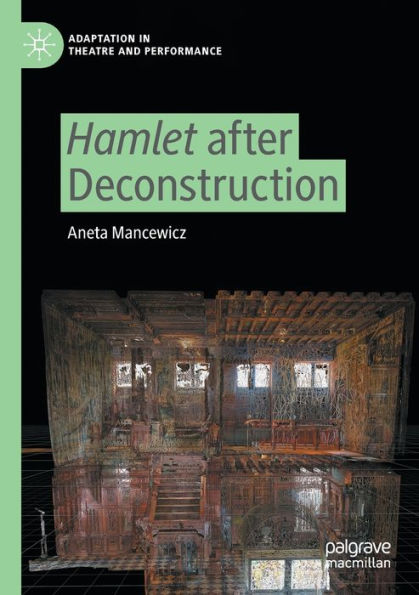
Hamlet after Deconstruction in Chattanooga, TN
Current price: $119.99
Barnes and Noble
Hamlet after Deconstruction in Chattanooga, TN
Current price: $119.99
Loading Inventory...
Size: Hardcover
Post-war European adaptations of
Hamlet
are defined by ambiguities and inconsistencies. Such features are at odds with the traditional model of adaptation, which focuses on expanding and explaining the source. Inspired by Derrida’s deconstruction, this book introduces a new interpretative paradigm. Central to this paradigm is the idea that an act of adaptation consists in foregrounding gaps and incoherencies in the source; it is about questioning rather than clarifying. The book explores this paradigm through seven representative European adaptations of
produced between the 1960s and the 2010s: dramatic texts, live theatre productions, and a mixed reality performance. They systematically challenge the post-Romantic idea of
as a tragedy of great passions and heroic deeds. What does this say about
’s impact on post-war theatre and culture? The deconstructive analyses offered in this book show how adaptations of
capture crucial anxieties and concerns of post-war Europe, such as political disillusionment, postmodern scepticism, and feminist resistance, revealing exciting connections between European traditions.
Hamlet
are defined by ambiguities and inconsistencies. Such features are at odds with the traditional model of adaptation, which focuses on expanding and explaining the source. Inspired by Derrida’s deconstruction, this book introduces a new interpretative paradigm. Central to this paradigm is the idea that an act of adaptation consists in foregrounding gaps and incoherencies in the source; it is about questioning rather than clarifying. The book explores this paradigm through seven representative European adaptations of
produced between the 1960s and the 2010s: dramatic texts, live theatre productions, and a mixed reality performance. They systematically challenge the post-Romantic idea of
as a tragedy of great passions and heroic deeds. What does this say about
’s impact on post-war theatre and culture? The deconstructive analyses offered in this book show how adaptations of
capture crucial anxieties and concerns of post-war Europe, such as political disillusionment, postmodern scepticism, and feminist resistance, revealing exciting connections between European traditions.
Post-war European adaptations of
Hamlet
are defined by ambiguities and inconsistencies. Such features are at odds with the traditional model of adaptation, which focuses on expanding and explaining the source. Inspired by Derrida’s deconstruction, this book introduces a new interpretative paradigm. Central to this paradigm is the idea that an act of adaptation consists in foregrounding gaps and incoherencies in the source; it is about questioning rather than clarifying. The book explores this paradigm through seven representative European adaptations of
produced between the 1960s and the 2010s: dramatic texts, live theatre productions, and a mixed reality performance. They systematically challenge the post-Romantic idea of
as a tragedy of great passions and heroic deeds. What does this say about
’s impact on post-war theatre and culture? The deconstructive analyses offered in this book show how adaptations of
capture crucial anxieties and concerns of post-war Europe, such as political disillusionment, postmodern scepticism, and feminist resistance, revealing exciting connections between European traditions.
Hamlet
are defined by ambiguities and inconsistencies. Such features are at odds with the traditional model of adaptation, which focuses on expanding and explaining the source. Inspired by Derrida’s deconstruction, this book introduces a new interpretative paradigm. Central to this paradigm is the idea that an act of adaptation consists in foregrounding gaps and incoherencies in the source; it is about questioning rather than clarifying. The book explores this paradigm through seven representative European adaptations of
produced between the 1960s and the 2010s: dramatic texts, live theatre productions, and a mixed reality performance. They systematically challenge the post-Romantic idea of
as a tragedy of great passions and heroic deeds. What does this say about
’s impact on post-war theatre and culture? The deconstructive analyses offered in this book show how adaptations of
capture crucial anxieties and concerns of post-war Europe, such as political disillusionment, postmodern scepticism, and feminist resistance, revealing exciting connections between European traditions.
You May Also Like















More About Barnes and Noble at Hamilton Place
Barnes & Noble is the world’s largest retail bookseller and a leading retailer of content, digital media and educational products. Our Nook Digital business offers a lineup of NOOK® tablets and e-Readers and an expansive collection of digital reading content through the NOOK Store®. Barnes & Noble’s mission is to operate the best omni-channel specialty retail business in America, helping both our customers and booksellers reach their aspirations, while being a credit to the communities we serve.
2100 Hamilton Pl Blvd, Chattanooga, TN 37421, United States
Find Barnes and Noble at Hamilton Place in Chattanooga, TN
Visit Barnes and Noble at Hamilton Place in Chattanooga, TN
