
Home
Haig and Kitchener Twentieth-Century Britain: Remembrance, Representation Appropriation
Barnes and Noble
Loading Inventory...
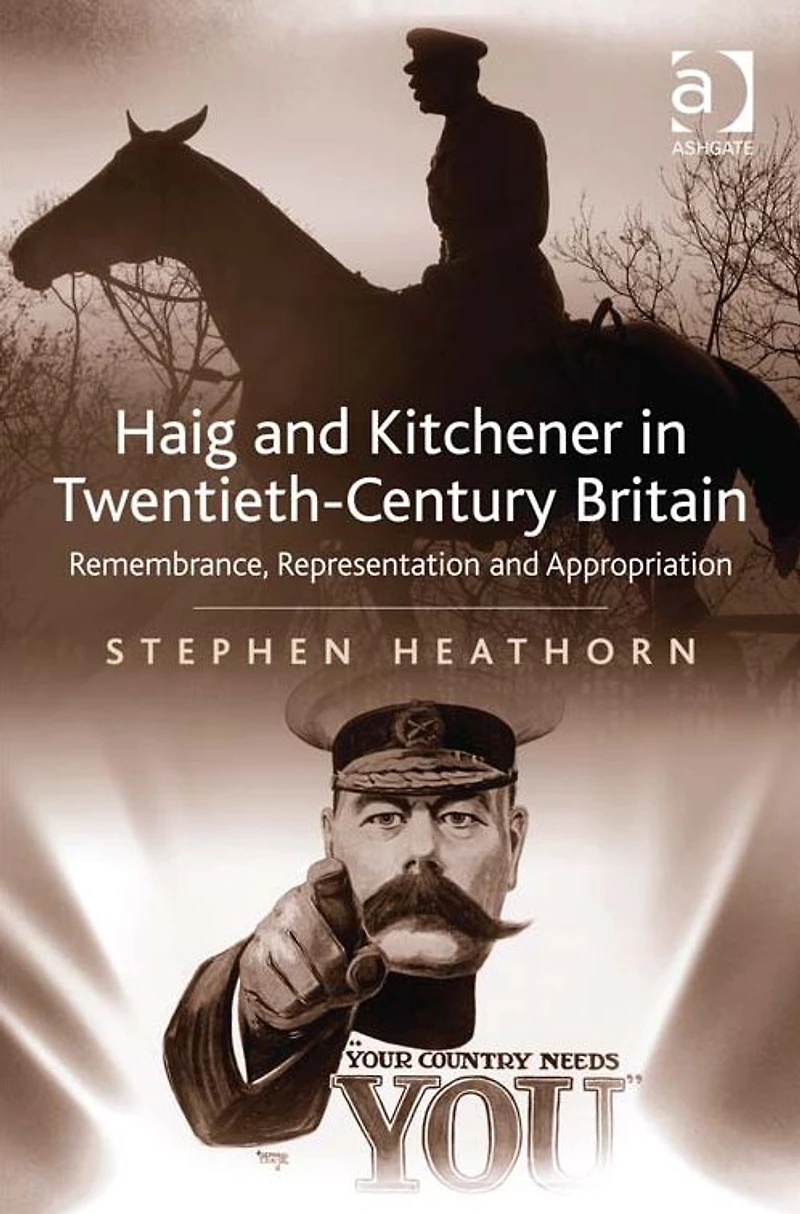
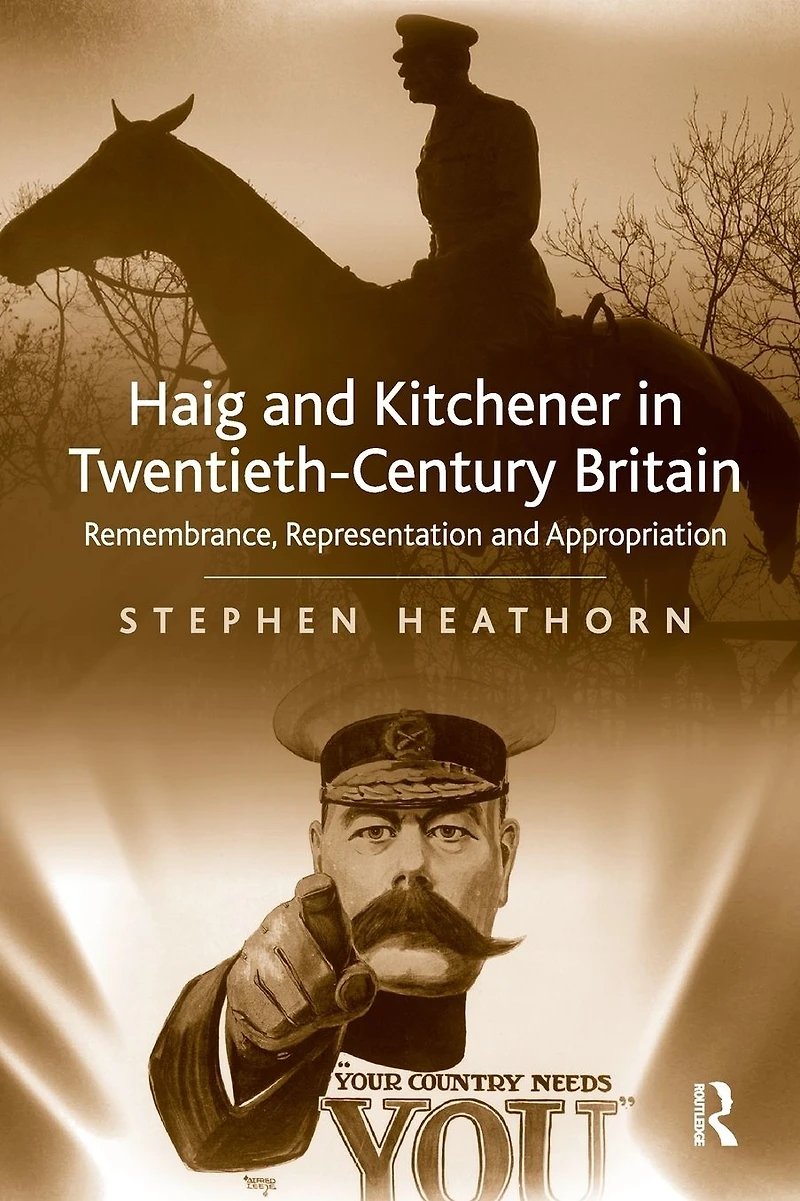
Haig and Kitchener Twentieth-Century Britain: Remembrance, Representation Appropriation in Chattanooga, TN
By Barnes & Noble
Current price: $149.95
Barnes and Noble
Haig and Kitchener Twentieth-Century Britain: Remembrance, Representation Appropriation in Chattanooga, TN
By Barnes & Noble
Current price: $149.95
Loading Inventory...
Size: EBook
Lord Kitchener and Lord Haig are two monumental figures of the First World War. Their reputations, both in their lifetimes and after their deaths, have been attacked and defended, scrutinized and contested. They have been depicted in film, print and public memorials in Britain and the wider world, and new biographies of both men appear to this day. The material representations of Haig and Kitchener were shaped, used and manipulated for official and popular ends by a variety of groups at different times during the twentieth century. The purpose of this study is not to discover the real individual, nor to attack or defend their reputations, rather it is an exploration of how both men have been depicted since their deaths and to consider what this tells us about the nature and meaning of First World War commemoration. While Haig's representation was more contested before the Second World War than was Kitchener's, with several constituencies trying to fashion and use Haig's memory - the Government, the British Legion, ex-servicemen themselves, and bereaved families - it was probably less contested, but overwhelmingly more negative, than Kitchener's after the Second World War. The book sheds light on the notion of 'heroic' masculinity - questioning, in particular, the degree to which the image of the common soldier replaced that of the high commander in the popular imagination - and explores how the military heritage in the twentieth century came into collision with the culture of modernity. It also contributes to ongoing debates in British historiography and to the larger debates over the social construction of memory, the problematic relation between what is considered 'heritage' and 'history', and the need for historians to be sensitive and attentive to the interconnections between heritage and history and their contexts.
Lord Kitchener and Lord Haig are two monumental figures of the First World War. Their reputations, both in their lifetimes and after their deaths, have been attacked and defended, scrutinized and contested. They have been depicted in film, print and public memorials in Britain and the wider world, and new biographies of both men appear to this day. The material representations of Haig and Kitchener were shaped, used and manipulated for official and popular ends by a variety of groups at different times during the twentieth century. The purpose of this study is not to discover the real individual, nor to attack or defend their reputations, rather it is an exploration of how both men have been depicted since their deaths and to consider what this tells us about the nature and meaning of First World War commemoration. While Haig's representation was more contested before the Second World War than was Kitchener's, with several constituencies trying to fashion and use Haig's memory - the Government, the British Legion, ex-servicemen themselves, and bereaved families - it was probably less contested, but overwhelmingly more negative, than Kitchener's after the Second World War. The book sheds light on the notion of 'heroic' masculinity - questioning, in particular, the degree to which the image of the common soldier replaced that of the high commander in the popular imagination - and explores how the military heritage in the twentieth century came into collision with the culture of modernity. It also contributes to ongoing debates in British historiography and to the larger debates over the social construction of memory, the problematic relation between what is considered 'heritage' and 'history', and the need for historians to be sensitive and attentive to the interconnections between heritage and history and their contexts.
You May Also Like








More About Barnes and Noble at Hamilton Place
Barnes & Noble is the world’s largest retail bookseller and a leading retailer of content, digital media and educational products. Our Nook Digital business offers a lineup of NOOK® tablets and e-Readers and an expansive collection of digital reading content through the NOOK Store®. Barnes & Noble’s mission is to operate the best omni-channel specialty retail business in America, helping both our customers and booksellers reach their aspirations, while being a credit to the communities we serve.
2100 Hamilton Pl Blvd, Chattanooga, TN 37421, United States
Find Barnes and Noble at Hamilton Place in Chattanooga, TN
Visit Barnes and Noble at Hamilton Place in Chattanooga, TN
