
Home
Gore Vidal and Antiquity: Sex, Politics Religion
Barnes and Noble
Loading Inventory...
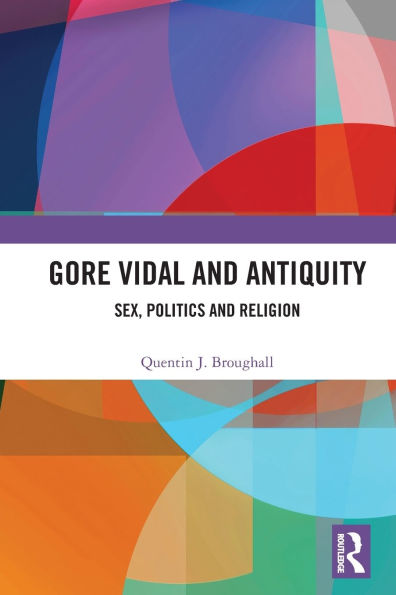
Gore Vidal and Antiquity: Sex, Politics Religion in Chattanooga, TN
Current price: $190.00
Barnes and Noble
Gore Vidal and Antiquity: Sex, Politics Religion in Chattanooga, TN
Current price: $190.00
Loading Inventory...
Size: Hardcover
This book examines Gore Vidal’s lifelong engagement with the ancient world. Incorporating material from his novels, essays, screenplays and plays, it argues that his interaction with antiquity was central to the way in which he viewed himself, his writing, and his world. Divided between the three primary subjects of his writing – sex, politics, and religion – this book traces the lengthy dialogue between Vidal and antiquity over the course of his sixty-year career.
Broughall analyses Vidal’s portrayals of the ancient past in novels such as
Julian
(1964),
Creation
(1981) and
Live from Golgotha
(1992). He also shows how classical literature inspired Vidal’s other fiction, such as
The City and the Pillar
(1948),
Myra
Breckinridge
(1968), and his
Narratives of Empire
(1967–2000) novels. Beyond his fiction, Broughall examines the ways in which antiquity influenced Vidal’s careers as a playwright, an essayist and a satirist, and evaluates the influence of classical authors and their works upon him.
Of interest to students and scholars in classical studies, reception studies, American politics and literature, and the work of Gore Vidal, this volume presents an original perspective on one of the most provocative writers and intellectuals in post-war American letters. It offers new insights into Vidal’s attitudes, influences, and beliefs, and throws fresh light upon his patrician self-fashioning and his mercurial output.
Broughall analyses Vidal’s portrayals of the ancient past in novels such as
Julian
(1964),
Creation
(1981) and
Live from Golgotha
(1992). He also shows how classical literature inspired Vidal’s other fiction, such as
The City and the Pillar
(1948),
Myra
Breckinridge
(1968), and his
Narratives of Empire
(1967–2000) novels. Beyond his fiction, Broughall examines the ways in which antiquity influenced Vidal’s careers as a playwright, an essayist and a satirist, and evaluates the influence of classical authors and their works upon him.
Of interest to students and scholars in classical studies, reception studies, American politics and literature, and the work of Gore Vidal, this volume presents an original perspective on one of the most provocative writers and intellectuals in post-war American letters. It offers new insights into Vidal’s attitudes, influences, and beliefs, and throws fresh light upon his patrician self-fashioning and his mercurial output.
This book examines Gore Vidal’s lifelong engagement with the ancient world. Incorporating material from his novels, essays, screenplays and plays, it argues that his interaction with antiquity was central to the way in which he viewed himself, his writing, and his world. Divided between the three primary subjects of his writing – sex, politics, and religion – this book traces the lengthy dialogue between Vidal and antiquity over the course of his sixty-year career.
Broughall analyses Vidal’s portrayals of the ancient past in novels such as
Julian
(1964),
Creation
(1981) and
Live from Golgotha
(1992). He also shows how classical literature inspired Vidal’s other fiction, such as
The City and the Pillar
(1948),
Myra
Breckinridge
(1968), and his
Narratives of Empire
(1967–2000) novels. Beyond his fiction, Broughall examines the ways in which antiquity influenced Vidal’s careers as a playwright, an essayist and a satirist, and evaluates the influence of classical authors and their works upon him.
Of interest to students and scholars in classical studies, reception studies, American politics and literature, and the work of Gore Vidal, this volume presents an original perspective on one of the most provocative writers and intellectuals in post-war American letters. It offers new insights into Vidal’s attitudes, influences, and beliefs, and throws fresh light upon his patrician self-fashioning and his mercurial output.
Broughall analyses Vidal’s portrayals of the ancient past in novels such as
Julian
(1964),
Creation
(1981) and
Live from Golgotha
(1992). He also shows how classical literature inspired Vidal’s other fiction, such as
The City and the Pillar
(1948),
Myra
Breckinridge
(1968), and his
Narratives of Empire
(1967–2000) novels. Beyond his fiction, Broughall examines the ways in which antiquity influenced Vidal’s careers as a playwright, an essayist and a satirist, and evaluates the influence of classical authors and their works upon him.
Of interest to students and scholars in classical studies, reception studies, American politics and literature, and the work of Gore Vidal, this volume presents an original perspective on one of the most provocative writers and intellectuals in post-war American letters. It offers new insights into Vidal’s attitudes, influences, and beliefs, and throws fresh light upon his patrician self-fashioning and his mercurial output.
You May Also Like









More About Barnes and Noble at Hamilton Place
Barnes & Noble is the world’s largest retail bookseller and a leading retailer of content, digital media and educational products. Our Nook Digital business offers a lineup of NOOK® tablets and e-Readers and an expansive collection of digital reading content through the NOOK Store®. Barnes & Noble’s mission is to operate the best omni-channel specialty retail business in America, helping both our customers and booksellers reach their aspirations, while being a credit to the communities we serve.
2100 Hamilton Pl Blvd, Chattanooga, TN 37421, United States
Find Barnes and Noble at Hamilton Place in Chattanooga, TN
Visit Barnes and Noble at Hamilton Place in Chattanooga, TN