
Home
Globalization of the International Arms Industry: A Step Towards ABCA and NATO Interoperability
Barnes and Noble
Loading Inventory...
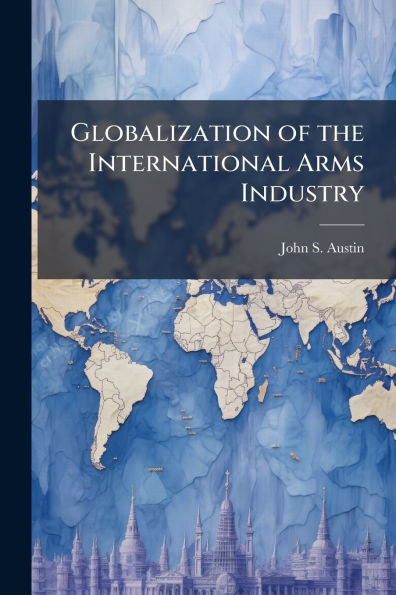
Globalization of the International Arms Industry: A Step Towards ABCA and NATO Interoperability in Chattanooga, TN
Current price: $15.95
Barnes and Noble
Globalization of the International Arms Industry: A Step Towards ABCA and NATO Interoperability in Chattanooga, TN
Current price: $15.95
Loading Inventory...
Size: OS
This paper explores the relationship between globalization of the arms industry and interoperability. Its premise is that while the arms industry has undertaken significant steps to globalize, NATO and ABCA military force interoperability levels remain woefully inadequate. Over sixty years ago NATO and the ABCA program sought to standardize the militaries of their member nations. Each member country agreed to take steps to ensure that interoperability among force elements was achieved. A truly globalized arms industry offers a platform to achieve greater standardization and interoperability amongst joint and combined forces. In fact, it is clear that a nexus should exist between a globalized arms development and truly interoperable forces. This study examines the relationship between a globalized arms industry and interoperable armed forces within the context of NATO and the ABCA program. The primary vehicle it uses to do this is a case study of the development and procurement of the Joint Strike Fighter (JSF). The study concludes that four barriers bar the development of interoperable forces. First, defense spending has significantly reduced for all members of NATO and ABCA, with the exception of the United States. Second, democratically elected leaders are unable to justify increased defense spending in financially constrained times. The absence of an identifiable external threat to the sovereignty of nation states is paramount in politician's minds. Thirdly, the proliferation of defense technologies to third parties prevents the arms industry from achieving interoperability of systems. Finally, little emphasis is placed on the importance of non technical interoperability. The requirement of forces to train together and understand differing military cultures and doctrine is often overlooked. The absence of joint and combined training prior to conducting operations has limited the ability of international forces to operate together effectively. Critically, whereve
This work has been selected by scholars as being culturally important, and is part of the knowledge base of civilization as we know it. This work was reproduced from the original artifact, and remains as true to the original work as possible. Therefore, you will see the original copyright references, library stamps (as most of these works have been housed in our most important libraries around the world), and other notations in the work.
This work is in the public domain in the United States of America, and possibly other nations. Within the United States, you may freely copy and distribute this work, as no entity (individual or corporate) has a copyright on the body of the work.
As a reproduction of a historical artifact, this work may contain missing or blurred pages, poor pictures, errant marks, etc. Scholars believe, and we concur, that this work is important enough to be preserved, reproduced, and made generally available to the public. We appreciate your support of the preservation process, and thank you for being an important part of keeping this knowledge alive and relevant.
This work has been selected by scholars as being culturally important, and is part of the knowledge base of civilization as we know it. This work was reproduced from the original artifact, and remains as true to the original work as possible. Therefore, you will see the original copyright references, library stamps (as most of these works have been housed in our most important libraries around the world), and other notations in the work.
This work is in the public domain in the United States of America, and possibly other nations. Within the United States, you may freely copy and distribute this work, as no entity (individual or corporate) has a copyright on the body of the work.
As a reproduction of a historical artifact, this work may contain missing or blurred pages, poor pictures, errant marks, etc. Scholars believe, and we concur, that this work is important enough to be preserved, reproduced, and made generally available to the public. We appreciate your support of the preservation process, and thank you for being an important part of keeping this knowledge alive and relevant.
This paper explores the relationship between globalization of the arms industry and interoperability. Its premise is that while the arms industry has undertaken significant steps to globalize, NATO and ABCA military force interoperability levels remain woefully inadequate. Over sixty years ago NATO and the ABCA program sought to standardize the militaries of their member nations. Each member country agreed to take steps to ensure that interoperability among force elements was achieved. A truly globalized arms industry offers a platform to achieve greater standardization and interoperability amongst joint and combined forces. In fact, it is clear that a nexus should exist between a globalized arms development and truly interoperable forces. This study examines the relationship between a globalized arms industry and interoperable armed forces within the context of NATO and the ABCA program. The primary vehicle it uses to do this is a case study of the development and procurement of the Joint Strike Fighter (JSF). The study concludes that four barriers bar the development of interoperable forces. First, defense spending has significantly reduced for all members of NATO and ABCA, with the exception of the United States. Second, democratically elected leaders are unable to justify increased defense spending in financially constrained times. The absence of an identifiable external threat to the sovereignty of nation states is paramount in politician's minds. Thirdly, the proliferation of defense technologies to third parties prevents the arms industry from achieving interoperability of systems. Finally, little emphasis is placed on the importance of non technical interoperability. The requirement of forces to train together and understand differing military cultures and doctrine is often overlooked. The absence of joint and combined training prior to conducting operations has limited the ability of international forces to operate together effectively. Critically, whereve
This work has been selected by scholars as being culturally important, and is part of the knowledge base of civilization as we know it. This work was reproduced from the original artifact, and remains as true to the original work as possible. Therefore, you will see the original copyright references, library stamps (as most of these works have been housed in our most important libraries around the world), and other notations in the work.
This work is in the public domain in the United States of America, and possibly other nations. Within the United States, you may freely copy and distribute this work, as no entity (individual or corporate) has a copyright on the body of the work.
As a reproduction of a historical artifact, this work may contain missing or blurred pages, poor pictures, errant marks, etc. Scholars believe, and we concur, that this work is important enough to be preserved, reproduced, and made generally available to the public. We appreciate your support of the preservation process, and thank you for being an important part of keeping this knowledge alive and relevant.
This work has been selected by scholars as being culturally important, and is part of the knowledge base of civilization as we know it. This work was reproduced from the original artifact, and remains as true to the original work as possible. Therefore, you will see the original copyright references, library stamps (as most of these works have been housed in our most important libraries around the world), and other notations in the work.
This work is in the public domain in the United States of America, and possibly other nations. Within the United States, you may freely copy and distribute this work, as no entity (individual or corporate) has a copyright on the body of the work.
As a reproduction of a historical artifact, this work may contain missing or blurred pages, poor pictures, errant marks, etc. Scholars believe, and we concur, that this work is important enough to be preserved, reproduced, and made generally available to the public. We appreciate your support of the preservation process, and thank you for being an important part of keeping this knowledge alive and relevant.
You May Also Like















More About Barnes and Noble at Hamilton Place
Barnes & Noble is the world’s largest retail bookseller and a leading retailer of content, digital media and educational products. Our Nook Digital business offers a lineup of NOOK® tablets and e-Readers and an expansive collection of digital reading content through the NOOK Store®. Barnes & Noble’s mission is to operate the best omni-channel specialty retail business in America, helping both our customers and booksellers reach their aspirations, while being a credit to the communities we serve.
2100 Hamilton Pl Blvd, Chattanooga, TN 37421, United States
Find Barnes and Noble at Hamilton Place in Chattanooga, TN
Visit Barnes and Noble at Hamilton Place in Chattanooga, TN
