
Home
Geography and International Conflict: Ukraine, Taiwan, Indo-Pacific, Sino-American Relations
Barnes and Noble
Loading Inventory...
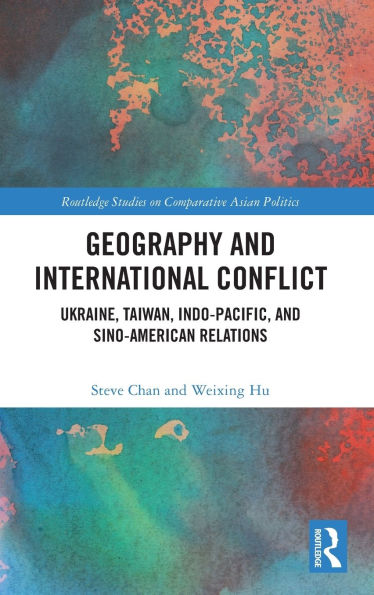
Geography and International Conflict: Ukraine, Taiwan, Indo-Pacific, Sino-American Relations in Chattanooga, TN
Current price: $180.00
Barnes and Noble
Geography and International Conflict: Ukraine, Taiwan, Indo-Pacific, Sino-American Relations in Chattanooga, TN
Current price: $180.00
Loading Inventory...
Size: Hardcover
This book analyzes the influence of geography— defined broadly to refer to physical size, location, terrain, accessibility, insularity, climate, regions, neighborhoods, natural endowment, strategic pathways, maritime and continental orientations and even imagined communities— on international relations.
Drawing on evidence and insights from cross- national research the book highlights geography’s enduring importance in and relevance to the ongoing Russo-Ukrainian War, tension across the Taiwan Strait, construction of regional order such as Greater Eurasia and Indo-Pacific and important differences in the nature of the security environment facing China and the U.S., respectively. It successfully bridges the gap that often separates international relations scholarship, interested in the central tendencies characterizing how states interact in general, and more idiographic approaches of Sinology providing rich country-specific details but at the expense of often overlooking features that China shares with other countries.
Offering an overview of propositions about how geography has shaped human development and institutions, alongside in- depth discussions of its role in influencing national security and interstate conflict, this book will appeal to students and scholars of international relations, political geography and comparative politics.
Drawing on evidence and insights from cross- national research the book highlights geography’s enduring importance in and relevance to the ongoing Russo-Ukrainian War, tension across the Taiwan Strait, construction of regional order such as Greater Eurasia and Indo-Pacific and important differences in the nature of the security environment facing China and the U.S., respectively. It successfully bridges the gap that often separates international relations scholarship, interested in the central tendencies characterizing how states interact in general, and more idiographic approaches of Sinology providing rich country-specific details but at the expense of often overlooking features that China shares with other countries.
Offering an overview of propositions about how geography has shaped human development and institutions, alongside in- depth discussions of its role in influencing national security and interstate conflict, this book will appeal to students and scholars of international relations, political geography and comparative politics.
This book analyzes the influence of geography— defined broadly to refer to physical size, location, terrain, accessibility, insularity, climate, regions, neighborhoods, natural endowment, strategic pathways, maritime and continental orientations and even imagined communities— on international relations.
Drawing on evidence and insights from cross- national research the book highlights geography’s enduring importance in and relevance to the ongoing Russo-Ukrainian War, tension across the Taiwan Strait, construction of regional order such as Greater Eurasia and Indo-Pacific and important differences in the nature of the security environment facing China and the U.S., respectively. It successfully bridges the gap that often separates international relations scholarship, interested in the central tendencies characterizing how states interact in general, and more idiographic approaches of Sinology providing rich country-specific details but at the expense of often overlooking features that China shares with other countries.
Offering an overview of propositions about how geography has shaped human development and institutions, alongside in- depth discussions of its role in influencing national security and interstate conflict, this book will appeal to students and scholars of international relations, political geography and comparative politics.
Drawing on evidence and insights from cross- national research the book highlights geography’s enduring importance in and relevance to the ongoing Russo-Ukrainian War, tension across the Taiwan Strait, construction of regional order such as Greater Eurasia and Indo-Pacific and important differences in the nature of the security environment facing China and the U.S., respectively. It successfully bridges the gap that often separates international relations scholarship, interested in the central tendencies characterizing how states interact in general, and more idiographic approaches of Sinology providing rich country-specific details but at the expense of often overlooking features that China shares with other countries.
Offering an overview of propositions about how geography has shaped human development and institutions, alongside in- depth discussions of its role in influencing national security and interstate conflict, this book will appeal to students and scholars of international relations, political geography and comparative politics.
You May Also Like










More About Barnes and Noble at Hamilton Place
Barnes & Noble is the world’s largest retail bookseller and a leading retailer of content, digital media and educational products. Our Nook Digital business offers a lineup of NOOK® tablets and e-Readers and an expansive collection of digital reading content through the NOOK Store®. Barnes & Noble’s mission is to operate the best omni-channel specialty retail business in America, helping both our customers and booksellers reach their aspirations, while being a credit to the communities we serve.
2100 Hamilton Pl Blvd, Chattanooga, TN 37421, United States
Find Barnes and Noble at Hamilton Place in Chattanooga, TN
Visit Barnes and Noble at Hamilton Place in Chattanooga, TN
