
Home
Gas! Quick, Boys!: How Chemistry Changed the First World War
Barnes and Noble
Loading Inventory...
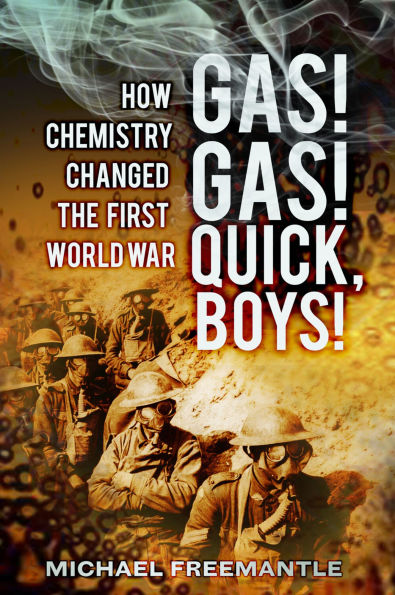
Gas! Quick, Boys!: How Chemistry Changed the First World War in Chattanooga, TN
Current price: $26.95
Barnes and Noble
Gas! Quick, Boys!: How Chemistry Changed the First World War in Chattanooga, TN
Current price: $26.95
Loading Inventory...
Size: Paperback
Reveals for the first time the true extent of how chemistry rather than military strategy determined the shape, duration, and outcome of World War I
Chemistry was not only a destructive instrument of World War I, but also protected troops and healed the sick and wounded. From bombs to bullets, gas to anesthetic, khaki to camouflage, chemistry was truly the alchemy of the war. This history explores its dangers and its healing potential, revealing how the arms race was also a race for chemistry, to the extent that Germany's thirst for fertilizer to feed the creation of their shells nearly starved the nation. It answers question such as:
What is cordite? What is lyddite? What is mustard gas? What is phosgene? What is gunmetal?
This is a true picture of the horrors of the "Chemists' War."
Chemistry was not only a destructive instrument of World War I, but also protected troops and healed the sick and wounded. From bombs to bullets, gas to anesthetic, khaki to camouflage, chemistry was truly the alchemy of the war. This history explores its dangers and its healing potential, revealing how the arms race was also a race for chemistry, to the extent that Germany's thirst for fertilizer to feed the creation of their shells nearly starved the nation. It answers question such as:
What is cordite? What is lyddite? What is mustard gas? What is phosgene? What is gunmetal?
This is a true picture of the horrors of the "Chemists' War."
Reveals for the first time the true extent of how chemistry rather than military strategy determined the shape, duration, and outcome of World War I
Chemistry was not only a destructive instrument of World War I, but also protected troops and healed the sick and wounded. From bombs to bullets, gas to anesthetic, khaki to camouflage, chemistry was truly the alchemy of the war. This history explores its dangers and its healing potential, revealing how the arms race was also a race for chemistry, to the extent that Germany's thirst for fertilizer to feed the creation of their shells nearly starved the nation. It answers question such as:
What is cordite? What is lyddite? What is mustard gas? What is phosgene? What is gunmetal?
This is a true picture of the horrors of the "Chemists' War."
Chemistry was not only a destructive instrument of World War I, but also protected troops and healed the sick and wounded. From bombs to bullets, gas to anesthetic, khaki to camouflage, chemistry was truly the alchemy of the war. This history explores its dangers and its healing potential, revealing how the arms race was also a race for chemistry, to the extent that Germany's thirst for fertilizer to feed the creation of their shells nearly starved the nation. It answers question such as:
What is cordite? What is lyddite? What is mustard gas? What is phosgene? What is gunmetal?
This is a true picture of the horrors of the "Chemists' War."
You May Also Like













More About Barnes and Noble at Hamilton Place
Barnes & Noble is the world’s largest retail bookseller and a leading retailer of content, digital media and educational products. Our Nook Digital business offers a lineup of NOOK® tablets and e-Readers and an expansive collection of digital reading content through the NOOK Store®. Barnes & Noble’s mission is to operate the best omni-channel specialty retail business in America, helping both our customers and booksellers reach their aspirations, while being a credit to the communities we serve.
2100 Hamilton Pl Blvd, Chattanooga, TN 37421, United States
Find Barnes and Noble at Hamilton Place in Chattanooga, TN
Visit Barnes and Noble at Hamilton Place in Chattanooga, TN
