
Home
Games of Inheritance: Kabbalah, Tradition, and Authorship Jorge Luis Borges
Barnes and Noble
Loading Inventory...

Games of Inheritance: Kabbalah, Tradition, and Authorship Jorge Luis Borges in Chattanooga, TN
Current price: $34.95
Barnes and Noble
Games of Inheritance: Kabbalah, Tradition, and Authorship Jorge Luis Borges in Chattanooga, TN
Current price: $34.95
Loading Inventory...
Size: Paperback
Games of Inheritance
explores the thought of Argentine author and public intellectual Jorge Luis Borges (1899-1986) on questions of authorship and literary tradition. The book focuses on Borges’s engagement with Jewish literary and intellectual traditions, highlighting the role of this engagement in developing and expressing his views on these questions. The book argues that the primary relevance of Borges’s persistent reference to “the Judaic” is not for understanding his attitude toward Jews and Judaism but for understanding his position in contemporary Argentinian debates about nationalism and literature, empire and postcolonialism, and populism and aesthetics. By broadening the frame of Borges and the Judaic, this book shifts the scholarly focus to the poetic utility of Borges’s engagement with Jewish literary and intellectual traditions. This allows a better understanding of the nuance of his views on the issues that most animate his oeuvre: authorship and writing, literature and tradition.
explores the thought of Argentine author and public intellectual Jorge Luis Borges (1899-1986) on questions of authorship and literary tradition. The book focuses on Borges’s engagement with Jewish literary and intellectual traditions, highlighting the role of this engagement in developing and expressing his views on these questions. The book argues that the primary relevance of Borges’s persistent reference to “the Judaic” is not for understanding his attitude toward Jews and Judaism but for understanding his position in contemporary Argentinian debates about nationalism and literature, empire and postcolonialism, and populism and aesthetics. By broadening the frame of Borges and the Judaic, this book shifts the scholarly focus to the poetic utility of Borges’s engagement with Jewish literary and intellectual traditions. This allows a better understanding of the nuance of his views on the issues that most animate his oeuvre: authorship and writing, literature and tradition.
Games of Inheritance
explores the thought of Argentine author and public intellectual Jorge Luis Borges (1899-1986) on questions of authorship and literary tradition. The book focuses on Borges’s engagement with Jewish literary and intellectual traditions, highlighting the role of this engagement in developing and expressing his views on these questions. The book argues that the primary relevance of Borges’s persistent reference to “the Judaic” is not for understanding his attitude toward Jews and Judaism but for understanding his position in contemporary Argentinian debates about nationalism and literature, empire and postcolonialism, and populism and aesthetics. By broadening the frame of Borges and the Judaic, this book shifts the scholarly focus to the poetic utility of Borges’s engagement with Jewish literary and intellectual traditions. This allows a better understanding of the nuance of his views on the issues that most animate his oeuvre: authorship and writing, literature and tradition.
explores the thought of Argentine author and public intellectual Jorge Luis Borges (1899-1986) on questions of authorship and literary tradition. The book focuses on Borges’s engagement with Jewish literary and intellectual traditions, highlighting the role of this engagement in developing and expressing his views on these questions. The book argues that the primary relevance of Borges’s persistent reference to “the Judaic” is not for understanding his attitude toward Jews and Judaism but for understanding his position in contemporary Argentinian debates about nationalism and literature, empire and postcolonialism, and populism and aesthetics. By broadening the frame of Borges and the Judaic, this book shifts the scholarly focus to the poetic utility of Borges’s engagement with Jewish literary and intellectual traditions. This allows a better understanding of the nuance of his views on the issues that most animate his oeuvre: authorship and writing, literature and tradition.
You May Also Like
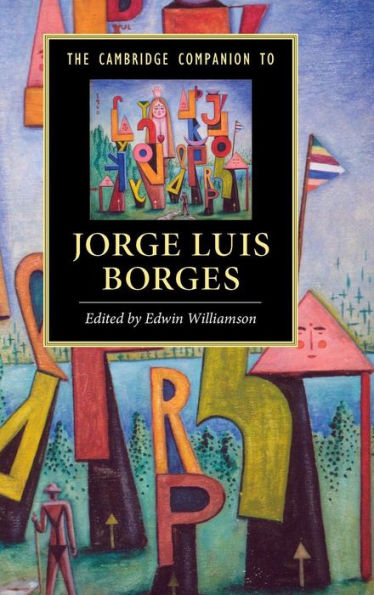


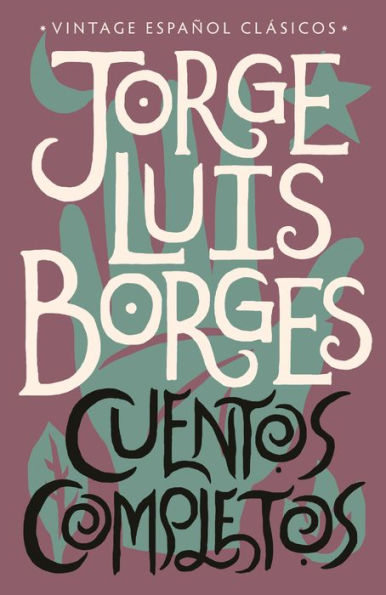









More About Barnes and Noble at Hamilton Place
Barnes & Noble is the world’s largest retail bookseller and a leading retailer of content, digital media and educational products. Our Nook Digital business offers a lineup of NOOK® tablets and e-Readers and an expansive collection of digital reading content through the NOOK Store®. Barnes & Noble’s mission is to operate the best omni-channel specialty retail business in America, helping both our customers and booksellers reach their aspirations, while being a credit to the communities we serve.
2100 Hamilton Pl Blvd, Chattanooga, TN 37421, United States
Find Barnes and Noble at Hamilton Place in Chattanooga, TN
Visit Barnes and Noble at Hamilton Place in Chattanooga, TN