
Home
From Dead Ends to Cold Warriors: Constructing American Boyhood Postwar Hollywood Films
Barnes and Noble
Loading Inventory...
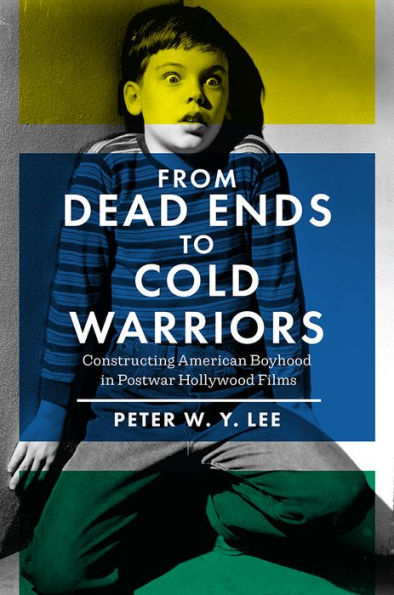
From Dead Ends to Cold Warriors: Constructing American Boyhood Postwar Hollywood Films in Chattanooga, TN
Current price: $150.00
Barnes and Noble
From Dead Ends to Cold Warriors: Constructing American Boyhood Postwar Hollywood Films in Chattanooga, TN
Current price: $150.00
Loading Inventory...
Size: Hardcover
After World War II, studies examining youth culture on the silver screen start with James Dean. But the angst that Dean symbolizedanxieties over parents, the “Establishment,” and the expectations of future citizensoldierslong predated
Rebels without a Cause
. Historians have largely overlooked how the Great Depression and World War II impacted and shaped the Cold War, and youth contributed to the national ideologies of family and freedom.
From Dead Ends to Cold Warriors
explores this gap by connecting facets of boyhood as represented in American film from the 1930s to the postwar years. From the Andy Hardy series to pictures such as
The Search
,
Intruder in the Dust
, and
The Gunfighter
, boy characters addressed larger concerns over the dysfunctional family unit, militarism, the “race question,” and the international scene as the Korean War began. Navigating the political, social, and economic milieus inside and outside of Hollywood, Peter W.Y. Lee demonstrates that continuities from the 1930s influenced the unique postwar moment, coalescing into anticommunism and the Cold War.
Rebels without a Cause
. Historians have largely overlooked how the Great Depression and World War II impacted and shaped the Cold War, and youth contributed to the national ideologies of family and freedom.
From Dead Ends to Cold Warriors
explores this gap by connecting facets of boyhood as represented in American film from the 1930s to the postwar years. From the Andy Hardy series to pictures such as
The Search
,
Intruder in the Dust
, and
The Gunfighter
, boy characters addressed larger concerns over the dysfunctional family unit, militarism, the “race question,” and the international scene as the Korean War began. Navigating the political, social, and economic milieus inside and outside of Hollywood, Peter W.Y. Lee demonstrates that continuities from the 1930s influenced the unique postwar moment, coalescing into anticommunism and the Cold War.
After World War II, studies examining youth culture on the silver screen start with James Dean. But the angst that Dean symbolizedanxieties over parents, the “Establishment,” and the expectations of future citizensoldierslong predated
Rebels without a Cause
. Historians have largely overlooked how the Great Depression and World War II impacted and shaped the Cold War, and youth contributed to the national ideologies of family and freedom.
From Dead Ends to Cold Warriors
explores this gap by connecting facets of boyhood as represented in American film from the 1930s to the postwar years. From the Andy Hardy series to pictures such as
The Search
,
Intruder in the Dust
, and
The Gunfighter
, boy characters addressed larger concerns over the dysfunctional family unit, militarism, the “race question,” and the international scene as the Korean War began. Navigating the political, social, and economic milieus inside and outside of Hollywood, Peter W.Y. Lee demonstrates that continuities from the 1930s influenced the unique postwar moment, coalescing into anticommunism and the Cold War.
Rebels without a Cause
. Historians have largely overlooked how the Great Depression and World War II impacted and shaped the Cold War, and youth contributed to the national ideologies of family and freedom.
From Dead Ends to Cold Warriors
explores this gap by connecting facets of boyhood as represented in American film from the 1930s to the postwar years. From the Andy Hardy series to pictures such as
The Search
,
Intruder in the Dust
, and
The Gunfighter
, boy characters addressed larger concerns over the dysfunctional family unit, militarism, the “race question,” and the international scene as the Korean War began. Navigating the political, social, and economic milieus inside and outside of Hollywood, Peter W.Y. Lee demonstrates that continuities from the 1930s influenced the unique postwar moment, coalescing into anticommunism and the Cold War.
You May Also Like








More About Barnes and Noble at Hamilton Place
Barnes & Noble is the world’s largest retail bookseller and a leading retailer of content, digital media and educational products. Our Nook Digital business offers a lineup of NOOK® tablets and e-Readers and an expansive collection of digital reading content through the NOOK Store®. Barnes & Noble’s mission is to operate the best omni-channel specialty retail business in America, helping both our customers and booksellers reach their aspirations, while being a credit to the communities we serve.
2100 Hamilton Pl Blvd, Chattanooga, TN 37421, United States
Find Barnes and Noble at Hamilton Place in Chattanooga, TN
Visit Barnes and Noble at Hamilton Place in Chattanooga, TN
