
Home
Frantz Fanon: Gender, Torture and the Biopolitics of Colonialism
Barnes and Noble
Loading Inventory...
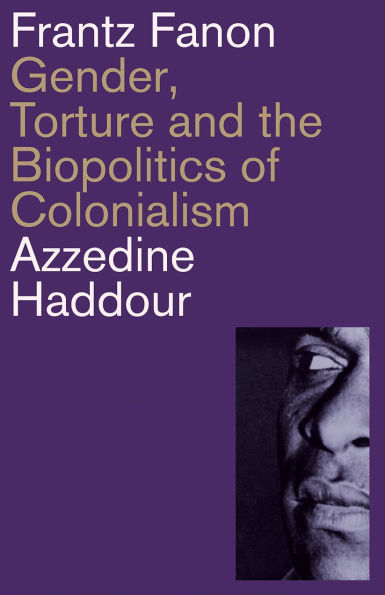
Frantz Fanon: Gender, Torture and the Biopolitics of Colonialism in Chattanooga, TN
Current price: $33.00
Barnes and Noble
Frantz Fanon: Gender, Torture and the Biopolitics of Colonialism in Chattanooga, TN
Current price: $33.00
Loading Inventory...
Size: Paperback
"Haddour is a foremost interpreter of Fanon - and here sheds important new light on this critical giant of the twentieth century, challenging the assumptions of many postcolonial readers" -
Judith Still, Emeritus Professor, University of Nottingham
"Few works have more creatively and comprehensively explored Fanon’s perspective on gender relations, the family, and women’s resistance to sexual violence...Outstanding" -
Peter Hudis, author of
Frantz Fanon: Philosopher of the Barricades
"A meticulously researched analysis" -
Jane Hiddleston, author of
Frantz Fanon: Literature and Invention
Frantz Fanon (1925-1961) was a visionary thinker whose legacy continues to shape conversations on identity, power, and resistance. Here, leading Fanon scholar Azzedine Haddour explores themes of gender, revolutionary struggle, and decolonisation in the first comprehensive study of Fanon’s lesser-known work,
Studies in a Dying Colonialism
(1959).
Drawing on archival material, the author explores the historical developments that determined the colonial consensus and the social transformation prompted by the Algerian liberation struggle. Haddour engages with the biopolitics of French colonialism to support Fanon’s claim that the medical establishment acted in complicity with colonialism. He recounts various assimilationist laws that resulted in the gendering of colonial space and shows how the wars alter the perception of the colonised population through modern Western technologies like the radio.
In an era where global struggles for independence and self-determination persist, this book is a fascinating new journey into the mind of a groundbreaking philosopher and icon of revolution.
Azzedine Haddour
is Professor in Francophone and Comparative Literature at University College London. He is the author of
Frantz Fanon, Postcolonialism and the Ethics of Difference
and
Colonial Myths: History and Narrative
, editor of
The Fanon Reader
, and translator of a collection of Sartre’s essays,
Colonialism and Neocolonialism
.
Judith Still, Emeritus Professor, University of Nottingham
"Few works have more creatively and comprehensively explored Fanon’s perspective on gender relations, the family, and women’s resistance to sexual violence...Outstanding" -
Peter Hudis, author of
Frantz Fanon: Philosopher of the Barricades
"A meticulously researched analysis" -
Jane Hiddleston, author of
Frantz Fanon: Literature and Invention
Frantz Fanon (1925-1961) was a visionary thinker whose legacy continues to shape conversations on identity, power, and resistance. Here, leading Fanon scholar Azzedine Haddour explores themes of gender, revolutionary struggle, and decolonisation in the first comprehensive study of Fanon’s lesser-known work,
Studies in a Dying Colonialism
(1959).
Drawing on archival material, the author explores the historical developments that determined the colonial consensus and the social transformation prompted by the Algerian liberation struggle. Haddour engages with the biopolitics of French colonialism to support Fanon’s claim that the medical establishment acted in complicity with colonialism. He recounts various assimilationist laws that resulted in the gendering of colonial space and shows how the wars alter the perception of the colonised population through modern Western technologies like the radio.
In an era where global struggles for independence and self-determination persist, this book is a fascinating new journey into the mind of a groundbreaking philosopher and icon of revolution.
Azzedine Haddour
is Professor in Francophone and Comparative Literature at University College London. He is the author of
Frantz Fanon, Postcolonialism and the Ethics of Difference
and
Colonial Myths: History and Narrative
, editor of
The Fanon Reader
, and translator of a collection of Sartre’s essays,
Colonialism and Neocolonialism
.
"Haddour is a foremost interpreter of Fanon - and here sheds important new light on this critical giant of the twentieth century, challenging the assumptions of many postcolonial readers" -
Judith Still, Emeritus Professor, University of Nottingham
"Few works have more creatively and comprehensively explored Fanon’s perspective on gender relations, the family, and women’s resistance to sexual violence...Outstanding" -
Peter Hudis, author of
Frantz Fanon: Philosopher of the Barricades
"A meticulously researched analysis" -
Jane Hiddleston, author of
Frantz Fanon: Literature and Invention
Frantz Fanon (1925-1961) was a visionary thinker whose legacy continues to shape conversations on identity, power, and resistance. Here, leading Fanon scholar Azzedine Haddour explores themes of gender, revolutionary struggle, and decolonisation in the first comprehensive study of Fanon’s lesser-known work,
Studies in a Dying Colonialism
(1959).
Drawing on archival material, the author explores the historical developments that determined the colonial consensus and the social transformation prompted by the Algerian liberation struggle. Haddour engages with the biopolitics of French colonialism to support Fanon’s claim that the medical establishment acted in complicity with colonialism. He recounts various assimilationist laws that resulted in the gendering of colonial space and shows how the wars alter the perception of the colonised population through modern Western technologies like the radio.
In an era where global struggles for independence and self-determination persist, this book is a fascinating new journey into the mind of a groundbreaking philosopher and icon of revolution.
Azzedine Haddour
is Professor in Francophone and Comparative Literature at University College London. He is the author of
Frantz Fanon, Postcolonialism and the Ethics of Difference
and
Colonial Myths: History and Narrative
, editor of
The Fanon Reader
, and translator of a collection of Sartre’s essays,
Colonialism and Neocolonialism
.
Judith Still, Emeritus Professor, University of Nottingham
"Few works have more creatively and comprehensively explored Fanon’s perspective on gender relations, the family, and women’s resistance to sexual violence...Outstanding" -
Peter Hudis, author of
Frantz Fanon: Philosopher of the Barricades
"A meticulously researched analysis" -
Jane Hiddleston, author of
Frantz Fanon: Literature and Invention
Frantz Fanon (1925-1961) was a visionary thinker whose legacy continues to shape conversations on identity, power, and resistance. Here, leading Fanon scholar Azzedine Haddour explores themes of gender, revolutionary struggle, and decolonisation in the first comprehensive study of Fanon’s lesser-known work,
Studies in a Dying Colonialism
(1959).
Drawing on archival material, the author explores the historical developments that determined the colonial consensus and the social transformation prompted by the Algerian liberation struggle. Haddour engages with the biopolitics of French colonialism to support Fanon’s claim that the medical establishment acted in complicity with colonialism. He recounts various assimilationist laws that resulted in the gendering of colonial space and shows how the wars alter the perception of the colonised population through modern Western technologies like the radio.
In an era where global struggles for independence and self-determination persist, this book is a fascinating new journey into the mind of a groundbreaking philosopher and icon of revolution.
Azzedine Haddour
is Professor in Francophone and Comparative Literature at University College London. He is the author of
Frantz Fanon, Postcolonialism and the Ethics of Difference
and
Colonial Myths: History and Narrative
, editor of
The Fanon Reader
, and translator of a collection of Sartre’s essays,
Colonialism and Neocolonialism
.
You May Also Like













More About Barnes and Noble at Hamilton Place
Barnes & Noble is the world’s largest retail bookseller and a leading retailer of content, digital media and educational products. Our Nook Digital business offers a lineup of NOOK® tablets and e-Readers and an expansive collection of digital reading content through the NOOK Store®. Barnes & Noble’s mission is to operate the best omni-channel specialty retail business in America, helping both our customers and booksellers reach their aspirations, while being a credit to the communities we serve.
2100 Hamilton Pl Blvd, Chattanooga, TN 37421, United States
Find Barnes and Noble at Hamilton Place in Chattanooga, TN
Visit Barnes and Noble at Hamilton Place in Chattanooga, TN