
Home
Fractured Narratives and Pandemic Identities: COVID-19, the (Post)Apocalyptic, Dystopic, Postcolonial
Barnes and Noble
Loading Inventory...
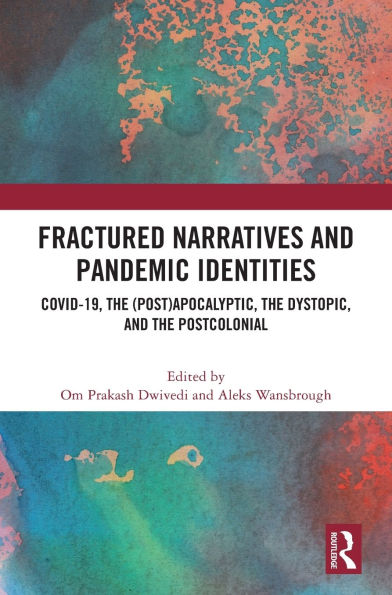
Fractured Narratives and Pandemic Identities: COVID-19, the (Post)Apocalyptic, Dystopic, Postcolonial in Chattanooga, TN
Current price: $200.00
Barnes and Noble
Fractured Narratives and Pandemic Identities: COVID-19, the (Post)Apocalyptic, Dystopic, Postcolonial in Chattanooga, TN
Current price: $200.00
Loading Inventory...
Size: Hardcover
The book considers how identities have become more fractured since COVID-19, by thinking of COVID-19 in relation to other crises (economic, social, digital, and ecological) and by drawing parallels to literature, cinema, and visual art.
COVID-19 was a type of apocalypse, a catastrophic destructive event that produced dystopian measures in its wake and drew uncanny parallels to dystopic works of literature and speculative fiction. Yet the pandemic was apocalyptic in another sense too. The word apocalypse derives from
apokalupsis
, which means disclosure or uncovering. In this way, COVID-19 also revealed the dystopian processes already at work in the world, including digital forms of surveillance as well as the asymmetries within populations and divides in health outcomes between the Global North and Global South. Indeed, societies that have experienced the horrors of settler colonialism have already survived apocalypses. COVID-19 serves then as a premonition for our climate emergency as well as an echo of other apocalyptic situations, both real and imagined. This book consists of essays from acclaimed theorists and scholars writing amid the pandemic and exposes the asymmetries of our divided world. The volume will be indispensable for scholars and researchers of literature, postcolonial studies, cultural studies, and comparative literature including post-apocalyptic and speculative fiction.
The chapters in this book were originally published as a special issue of
Journal of Postcolonial Writing
and are accompanied by a new afterword.
COVID-19 was a type of apocalypse, a catastrophic destructive event that produced dystopian measures in its wake and drew uncanny parallels to dystopic works of literature and speculative fiction. Yet the pandemic was apocalyptic in another sense too. The word apocalypse derives from
apokalupsis
, which means disclosure or uncovering. In this way, COVID-19 also revealed the dystopian processes already at work in the world, including digital forms of surveillance as well as the asymmetries within populations and divides in health outcomes between the Global North and Global South. Indeed, societies that have experienced the horrors of settler colonialism have already survived apocalypses. COVID-19 serves then as a premonition for our climate emergency as well as an echo of other apocalyptic situations, both real and imagined. This book consists of essays from acclaimed theorists and scholars writing amid the pandemic and exposes the asymmetries of our divided world. The volume will be indispensable for scholars and researchers of literature, postcolonial studies, cultural studies, and comparative literature including post-apocalyptic and speculative fiction.
The chapters in this book were originally published as a special issue of
Journal of Postcolonial Writing
and are accompanied by a new afterword.
The book considers how identities have become more fractured since COVID-19, by thinking of COVID-19 in relation to other crises (economic, social, digital, and ecological) and by drawing parallels to literature, cinema, and visual art.
COVID-19 was a type of apocalypse, a catastrophic destructive event that produced dystopian measures in its wake and drew uncanny parallels to dystopic works of literature and speculative fiction. Yet the pandemic was apocalyptic in another sense too. The word apocalypse derives from
apokalupsis
, which means disclosure or uncovering. In this way, COVID-19 also revealed the dystopian processes already at work in the world, including digital forms of surveillance as well as the asymmetries within populations and divides in health outcomes between the Global North and Global South. Indeed, societies that have experienced the horrors of settler colonialism have already survived apocalypses. COVID-19 serves then as a premonition for our climate emergency as well as an echo of other apocalyptic situations, both real and imagined. This book consists of essays from acclaimed theorists and scholars writing amid the pandemic and exposes the asymmetries of our divided world. The volume will be indispensable for scholars and researchers of literature, postcolonial studies, cultural studies, and comparative literature including post-apocalyptic and speculative fiction.
The chapters in this book were originally published as a special issue of
Journal of Postcolonial Writing
and are accompanied by a new afterword.
COVID-19 was a type of apocalypse, a catastrophic destructive event that produced dystopian measures in its wake and drew uncanny parallels to dystopic works of literature and speculative fiction. Yet the pandemic was apocalyptic in another sense too. The word apocalypse derives from
apokalupsis
, which means disclosure or uncovering. In this way, COVID-19 also revealed the dystopian processes already at work in the world, including digital forms of surveillance as well as the asymmetries within populations and divides in health outcomes between the Global North and Global South. Indeed, societies that have experienced the horrors of settler colonialism have already survived apocalypses. COVID-19 serves then as a premonition for our climate emergency as well as an echo of other apocalyptic situations, both real and imagined. This book consists of essays from acclaimed theorists and scholars writing amid the pandemic and exposes the asymmetries of our divided world. The volume will be indispensable for scholars and researchers of literature, postcolonial studies, cultural studies, and comparative literature including post-apocalyptic and speculative fiction.
The chapters in this book were originally published as a special issue of
Journal of Postcolonial Writing
and are accompanied by a new afterword.
You May Also Like







More About Barnes and Noble at Hamilton Place
Barnes & Noble is the world’s largest retail bookseller and a leading retailer of content, digital media and educational products. Our Nook Digital business offers a lineup of NOOK® tablets and e-Readers and an expansive collection of digital reading content through the NOOK Store®. Barnes & Noble’s mission is to operate the best omni-channel specialty retail business in America, helping both our customers and booksellers reach their aspirations, while being a credit to the communities we serve.
2100 Hamilton Pl Blvd, Chattanooga, TN 37421, United States
Find Barnes and Noble at Hamilton Place in Chattanooga, TN
Visit Barnes and Noble at Hamilton Place in Chattanooga, TN
