
Home
Four Novels in Jung's 1925 Seminar: Literary Discussion and Analytical Psychology
Barnes and Noble
Loading Inventory...
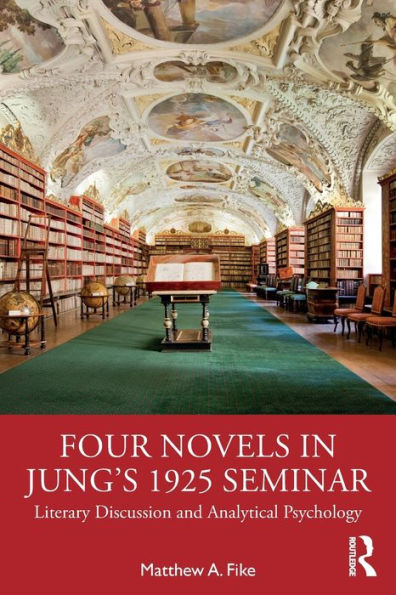
Four Novels in Jung's 1925 Seminar: Literary Discussion and Analytical Psychology in Chattanooga, TN
Current price: $48.99
Barnes and Noble
Four Novels in Jung's 1925 Seminar: Literary Discussion and Analytical Psychology in Chattanooga, TN
Current price: $48.99
Loading Inventory...
Size: OS
C. G. Jung believed that popular fiction often conveyed unvarnished psychological truths. In this volume, Matthew A. Fike skillfully analyzes the novels under consideration in Jung’s 1925 seminar on analytical psychology, corrects Jung’s ill-informed perspectives, and sheds light on a neglected area of Jungian literary studies.
Jung originally planned to discuss several novels about the anima—Henry Rider Haggard’s
She
, Pierre Benoît’s
L’Atlantide
, and Gustav Meyrink’s
The Green Face
. At the request of his participants, he dropped Meyrink and included a text about the animus, Marie Hay’s
The Evil Vineyard
. Fike demonstrates that Haggard’s
and Benoît’s
portray anima possession, the visionary and psychological modes, and traditional versus Jungian approaches to history. Meyrink’s smorgasbord of Jungian theory and religion makes
a fictional counterpart to
The Red Book
, and both Meyrink and Hay depict states of higher consciousness that transcend the archetypes. The distinction between archetypal and spiritual possession demonstrates that
is a ghost story, and the study concludes with Hay’s dozens of allusions, which provide important metacommentary.
Four Novels in Jung’s 1925 Seminar, the first comprehensive study of all four texts, complements seminal works by Cornelia Brunner and Barbara Hannah, critiques the seminar discussion recorded in William McGuire’s edition of
Analytical Psychology: Notes of the Seminar Given in 1925 by C. G. Jung
, and incorporates Jung’s own comments on the four novels in
The Collected Works
. Thus, it provides an essential addition to Jungian literary studies and will appeal both to students and practitioners of Jungian analytical psychology and to scholars of British, French, and German literature.
Jung originally planned to discuss several novels about the anima—Henry Rider Haggard’s
She
, Pierre Benoît’s
L’Atlantide
, and Gustav Meyrink’s
The Green Face
. At the request of his participants, he dropped Meyrink and included a text about the animus, Marie Hay’s
The Evil Vineyard
. Fike demonstrates that Haggard’s
and Benoît’s
portray anima possession, the visionary and psychological modes, and traditional versus Jungian approaches to history. Meyrink’s smorgasbord of Jungian theory and religion makes
a fictional counterpart to
The Red Book
, and both Meyrink and Hay depict states of higher consciousness that transcend the archetypes. The distinction between archetypal and spiritual possession demonstrates that
is a ghost story, and the study concludes with Hay’s dozens of allusions, which provide important metacommentary.
Four Novels in Jung’s 1925 Seminar, the first comprehensive study of all four texts, complements seminal works by Cornelia Brunner and Barbara Hannah, critiques the seminar discussion recorded in William McGuire’s edition of
Analytical Psychology: Notes of the Seminar Given in 1925 by C. G. Jung
, and incorporates Jung’s own comments on the four novels in
The Collected Works
. Thus, it provides an essential addition to Jungian literary studies and will appeal both to students and practitioners of Jungian analytical psychology and to scholars of British, French, and German literature.
C. G. Jung believed that popular fiction often conveyed unvarnished psychological truths. In this volume, Matthew A. Fike skillfully analyzes the novels under consideration in Jung’s 1925 seminar on analytical psychology, corrects Jung’s ill-informed perspectives, and sheds light on a neglected area of Jungian literary studies.
Jung originally planned to discuss several novels about the anima—Henry Rider Haggard’s
She
, Pierre Benoît’s
L’Atlantide
, and Gustav Meyrink’s
The Green Face
. At the request of his participants, he dropped Meyrink and included a text about the animus, Marie Hay’s
The Evil Vineyard
. Fike demonstrates that Haggard’s
and Benoît’s
portray anima possession, the visionary and psychological modes, and traditional versus Jungian approaches to history. Meyrink’s smorgasbord of Jungian theory and religion makes
a fictional counterpart to
The Red Book
, and both Meyrink and Hay depict states of higher consciousness that transcend the archetypes. The distinction between archetypal and spiritual possession demonstrates that
is a ghost story, and the study concludes with Hay’s dozens of allusions, which provide important metacommentary.
Four Novels in Jung’s 1925 Seminar, the first comprehensive study of all four texts, complements seminal works by Cornelia Brunner and Barbara Hannah, critiques the seminar discussion recorded in William McGuire’s edition of
Analytical Psychology: Notes of the Seminar Given in 1925 by C. G. Jung
, and incorporates Jung’s own comments on the four novels in
The Collected Works
. Thus, it provides an essential addition to Jungian literary studies and will appeal both to students and practitioners of Jungian analytical psychology and to scholars of British, French, and German literature.
Jung originally planned to discuss several novels about the anima—Henry Rider Haggard’s
She
, Pierre Benoît’s
L’Atlantide
, and Gustav Meyrink’s
The Green Face
. At the request of his participants, he dropped Meyrink and included a text about the animus, Marie Hay’s
The Evil Vineyard
. Fike demonstrates that Haggard’s
and Benoît’s
portray anima possession, the visionary and psychological modes, and traditional versus Jungian approaches to history. Meyrink’s smorgasbord of Jungian theory and religion makes
a fictional counterpart to
The Red Book
, and both Meyrink and Hay depict states of higher consciousness that transcend the archetypes. The distinction between archetypal and spiritual possession demonstrates that
is a ghost story, and the study concludes with Hay’s dozens of allusions, which provide important metacommentary.
Four Novels in Jung’s 1925 Seminar, the first comprehensive study of all four texts, complements seminal works by Cornelia Brunner and Barbara Hannah, critiques the seminar discussion recorded in William McGuire’s edition of
Analytical Psychology: Notes of the Seminar Given in 1925 by C. G. Jung
, and incorporates Jung’s own comments on the four novels in
The Collected Works
. Thus, it provides an essential addition to Jungian literary studies and will appeal both to students and practitioners of Jungian analytical psychology and to scholars of British, French, and German literature.
You May Also Like













More About Barnes and Noble at Hamilton Place
Barnes & Noble is the world’s largest retail bookseller and a leading retailer of content, digital media and educational products. Our Nook Digital business offers a lineup of NOOK® tablets and e-Readers and an expansive collection of digital reading content through the NOOK Store®. Barnes & Noble’s mission is to operate the best omni-channel specialty retail business in America, helping both our customers and booksellers reach their aspirations, while being a credit to the communities we serve.
2100 Hamilton Pl Blvd, Chattanooga, TN 37421, United States
Find Barnes and Noble at Hamilton Place in Chattanooga, TN
Visit Barnes and Noble at Hamilton Place in Chattanooga, TN