
Home
Following the Animal: Power, Agency, and Human-Animal Transformations in Modern, Northern-European Literature
Barnes and Noble
Loading Inventory...
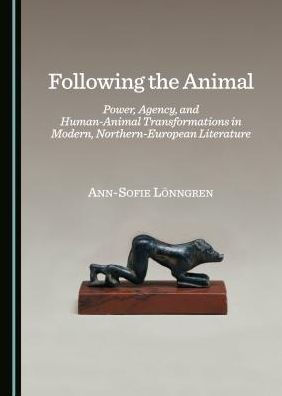
Following the Animal: Power, Agency, and Human-Animal Transformations in Modern, Northern-European Literature in Chattanooga, TN
Current price: $81.95
Barnes and Noble
Following the Animal: Power, Agency, and Human-Animal Transformations in Modern, Northern-European Literature in Chattanooga, TN
Current price: $81.95
Loading Inventory...
Size: OS
Literary transformations from human to animal have occurred in myths, folklore, fairy tales and narratives from all over the world since ancient times, and have always provided a narrative space for depictions of power, agency, and the radical nature of change. In Following the Animal, these transformations are analysed with regards to their use in modern literature from northern-most Europe, with specific attention being paid to the insights they provide regarding the human-animal relationship, both generally in the industrialized West, and against the background of more specific circumstances in the Nordic area. In three analytic chapters, focusing respectively on Swedish author August Strindberg's novel Tschandala (1887), Finnish author Aino Kallas's novel The Wolf's Bride (1928), and Danish author Karen Blixen/Isak Dinesen's short story The Monkey (1934), along with discussions of a range of other authors and texts, the reader is introduced to several traditions of literary production that both connect to, and differ from, Anglophone and other literature in fascinating ways. In addition to the insights it provides concerning the uses of human-animal transformations in modern Nordic literature, and their significance in relation to the question of the animal, Following the Animal also offers literary scholars and students alike a series of useable and transferable strategies for approaching texts from a more-than-anthropocentric, human-animal studies perspective. In phrasing and employing the interpretational method of following the animal over the text's surface, up metaphorical elevations, down material wormholes, and in constant dialogue with previous research, this book contributes greatly to both human-animal literary studies specifically, and to the field of literary scholarship generally, in both an international and northern-European context.
Literary transformations from human to animal have occurred in myths, folklore, fairy tales and narratives from all over the world since ancient times, and have always provided a narrative space for depictions of power, agency, and the radical nature of change. In Following the Animal, these transformations are analysed with regards to their use in modern literature from northern-most Europe, with specific attention being paid to the insights they provide regarding the human-animal relationship, both generally in the industrialized West, and against the background of more specific circumstances in the Nordic area. In three analytic chapters, focusing respectively on Swedish author August Strindberg's novel Tschandala (1887), Finnish author Aino Kallas's novel The Wolf's Bride (1928), and Danish author Karen Blixen/Isak Dinesen's short story The Monkey (1934), along with discussions of a range of other authors and texts, the reader is introduced to several traditions of literary production that both connect to, and differ from, Anglophone and other literature in fascinating ways. In addition to the insights it provides concerning the uses of human-animal transformations in modern Nordic literature, and their significance in relation to the question of the animal, Following the Animal also offers literary scholars and students alike a series of useable and transferable strategies for approaching texts from a more-than-anthropocentric, human-animal studies perspective. In phrasing and employing the interpretational method of following the animal over the text's surface, up metaphorical elevations, down material wormholes, and in constant dialogue with previous research, this book contributes greatly to both human-animal literary studies specifically, and to the field of literary scholarship generally, in both an international and northern-European context.
You May Also Like










More About Barnes and Noble at Hamilton Place
Barnes & Noble is the world’s largest retail bookseller and a leading retailer of content, digital media and educational products. Our Nook Digital business offers a lineup of NOOK® tablets and e-Readers and an expansive collection of digital reading content through the NOOK Store®. Barnes & Noble’s mission is to operate the best omni-channel specialty retail business in America, helping both our customers and booksellers reach their aspirations, while being a credit to the communities we serve.
2100 Hamilton Pl Blvd, Chattanooga, TN 37421, United States
Find Barnes and Noble at Hamilton Place in Chattanooga, TN
Visit Barnes and Noble at Hamilton Place in Chattanooga, TN
