
Home
Felice Giardini and Professional Music Culture Mid-Eighteenth-Century London
Barnes and Noble
Loading Inventory...
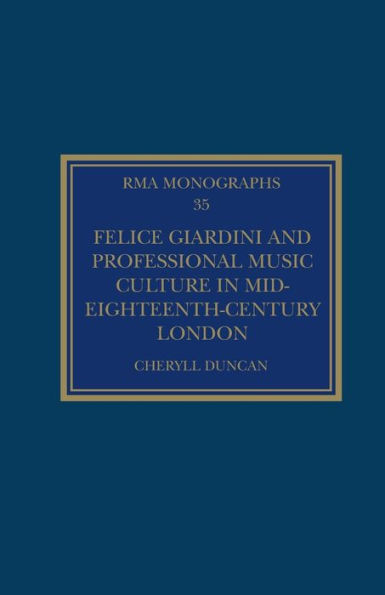
Felice Giardini and Professional Music Culture Mid-Eighteenth-Century London in Chattanooga, TN
Current price: $68.99
Barnes and Noble
Felice Giardini and Professional Music Culture Mid-Eighteenth-Century London in Chattanooga, TN
Current price: $68.99
Loading Inventory...
Size: Hardcover
Felice Giardini and Professional Music Culture in Mid-Eighteenth-Century London
explores Giardini’s influence on British musical life through his multifaceted career as performer, teacher, composer, concert promoter and opera impresario.
The crux of the study is a detailed account of Giardini’s partnership with the music seller/publisher John Cox during the 1750s, presented using new biographical information which contextualizes their business dealings and subsequent disaccord. The resulting litigation, the details of which have only recently come to light, is explored here via a complex set of archival materials. The findings offer new information about the economics of professional music culture at the time, including detailed figures for performers’ fees, the printing and binding of music scores, the charges arising from the administration of concerts and operas, the sale, hire and repair of various instruments and the cost of what today we would call intellectual property rights.
This is a fascinating study for musicologists and followers of Giardini, as well as for readers with an interest in classical music, social history and legal history.
explores Giardini’s influence on British musical life through his multifaceted career as performer, teacher, composer, concert promoter and opera impresario.
The crux of the study is a detailed account of Giardini’s partnership with the music seller/publisher John Cox during the 1750s, presented using new biographical information which contextualizes their business dealings and subsequent disaccord. The resulting litigation, the details of which have only recently come to light, is explored here via a complex set of archival materials. The findings offer new information about the economics of professional music culture at the time, including detailed figures for performers’ fees, the printing and binding of music scores, the charges arising from the administration of concerts and operas, the sale, hire and repair of various instruments and the cost of what today we would call intellectual property rights.
This is a fascinating study for musicologists and followers of Giardini, as well as for readers with an interest in classical music, social history and legal history.
Felice Giardini and Professional Music Culture in Mid-Eighteenth-Century London
explores Giardini’s influence on British musical life through his multifaceted career as performer, teacher, composer, concert promoter and opera impresario.
The crux of the study is a detailed account of Giardini’s partnership with the music seller/publisher John Cox during the 1750s, presented using new biographical information which contextualizes their business dealings and subsequent disaccord. The resulting litigation, the details of which have only recently come to light, is explored here via a complex set of archival materials. The findings offer new information about the economics of professional music culture at the time, including detailed figures for performers’ fees, the printing and binding of music scores, the charges arising from the administration of concerts and operas, the sale, hire and repair of various instruments and the cost of what today we would call intellectual property rights.
This is a fascinating study for musicologists and followers of Giardini, as well as for readers with an interest in classical music, social history and legal history.
explores Giardini’s influence on British musical life through his multifaceted career as performer, teacher, composer, concert promoter and opera impresario.
The crux of the study is a detailed account of Giardini’s partnership with the music seller/publisher John Cox during the 1750s, presented using new biographical information which contextualizes their business dealings and subsequent disaccord. The resulting litigation, the details of which have only recently come to light, is explored here via a complex set of archival materials. The findings offer new information about the economics of professional music culture at the time, including detailed figures for performers’ fees, the printing and binding of music scores, the charges arising from the administration of concerts and operas, the sale, hire and repair of various instruments and the cost of what today we would call intellectual property rights.
This is a fascinating study for musicologists and followers of Giardini, as well as for readers with an interest in classical music, social history and legal history.
You May Also Like









More About Barnes and Noble at Hamilton Place
Barnes & Noble is the world’s largest retail bookseller and a leading retailer of content, digital media and educational products. Our Nook Digital business offers a lineup of NOOK® tablets and e-Readers and an expansive collection of digital reading content through the NOOK Store®. Barnes & Noble’s mission is to operate the best omni-channel specialty retail business in America, helping both our customers and booksellers reach their aspirations, while being a credit to the communities we serve.
2100 Hamilton Pl Blvd, Chattanooga, TN 37421, United States
Find Barnes and Noble at Hamilton Place in Chattanooga, TN
Visit Barnes and Noble at Hamilton Place in Chattanooga, TN
