
Home
Faked China: Nation Branding, Counterfeit Culture, and Globalization
Barnes and Noble
Loading Inventory...
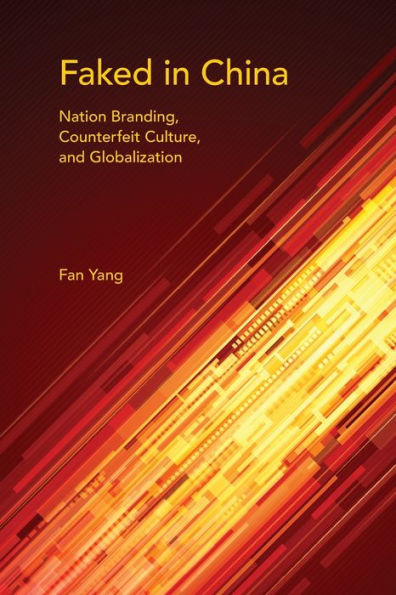
Faked China: Nation Branding, Counterfeit Culture, and Globalization in Chattanooga, TN
Current price: $30.00
Barnes and Noble
Faked China: Nation Branding, Counterfeit Culture, and Globalization in Chattanooga, TN
Current price: $30.00
Loading Inventory...
Size: Paperback
Faked in China
is a critical account of the cultural challenge faced by China following its accession to the World Trade Organization in 2001. It traces the interactions between nation branding and counterfeit culture, two manifestations of the globalizing Intellectual Property Rights (IPR) regime that give rise to competing visions for the nation. Nation branding is a state-sanctioned policy, captured by the slogan "From Made in China to Created in China," which aims to transform China from a manufacturer of foreign goods into a nation that creates its own IPR-eligible brands. Counterfeit culture is the transnational making, selling, and buying of unauthorized products. This cultural dilemma of the postsocialist state demonstrates the unequal relations of power that persist in contemporary globalization.
is a critical account of the cultural challenge faced by China following its accession to the World Trade Organization in 2001. It traces the interactions between nation branding and counterfeit culture, two manifestations of the globalizing Intellectual Property Rights (IPR) regime that give rise to competing visions for the nation. Nation branding is a state-sanctioned policy, captured by the slogan "From Made in China to Created in China," which aims to transform China from a manufacturer of foreign goods into a nation that creates its own IPR-eligible brands. Counterfeit culture is the transnational making, selling, and buying of unauthorized products. This cultural dilemma of the postsocialist state demonstrates the unequal relations of power that persist in contemporary globalization.
Faked in China
is a critical account of the cultural challenge faced by China following its accession to the World Trade Organization in 2001. It traces the interactions between nation branding and counterfeit culture, two manifestations of the globalizing Intellectual Property Rights (IPR) regime that give rise to competing visions for the nation. Nation branding is a state-sanctioned policy, captured by the slogan "From Made in China to Created in China," which aims to transform China from a manufacturer of foreign goods into a nation that creates its own IPR-eligible brands. Counterfeit culture is the transnational making, selling, and buying of unauthorized products. This cultural dilemma of the postsocialist state demonstrates the unequal relations of power that persist in contemporary globalization.
is a critical account of the cultural challenge faced by China following its accession to the World Trade Organization in 2001. It traces the interactions between nation branding and counterfeit culture, two manifestations of the globalizing Intellectual Property Rights (IPR) regime that give rise to competing visions for the nation. Nation branding is a state-sanctioned policy, captured by the slogan "From Made in China to Created in China," which aims to transform China from a manufacturer of foreign goods into a nation that creates its own IPR-eligible brands. Counterfeit culture is the transnational making, selling, and buying of unauthorized products. This cultural dilemma of the postsocialist state demonstrates the unequal relations of power that persist in contemporary globalization.
You May Also Like











More About Barnes and Noble at Hamilton Place
Barnes & Noble is the world’s largest retail bookseller and a leading retailer of content, digital media and educational products. Our Nook Digital business offers a lineup of NOOK® tablets and e-Readers and an expansive collection of digital reading content through the NOOK Store®. Barnes & Noble’s mission is to operate the best omni-channel specialty retail business in America, helping both our customers and booksellers reach their aspirations, while being a credit to the communities we serve.
2100 Hamilton Pl Blvd, Chattanooga, TN 37421, United States
Find Barnes and Noble at Hamilton Place in Chattanooga, TN
Visit Barnes and Noble at Hamilton Place in Chattanooga, TN
