
Home
European Ironclads 1860-75: the Gloire sparks great ironclad arms race
Barnes and Noble
Loading Inventory...
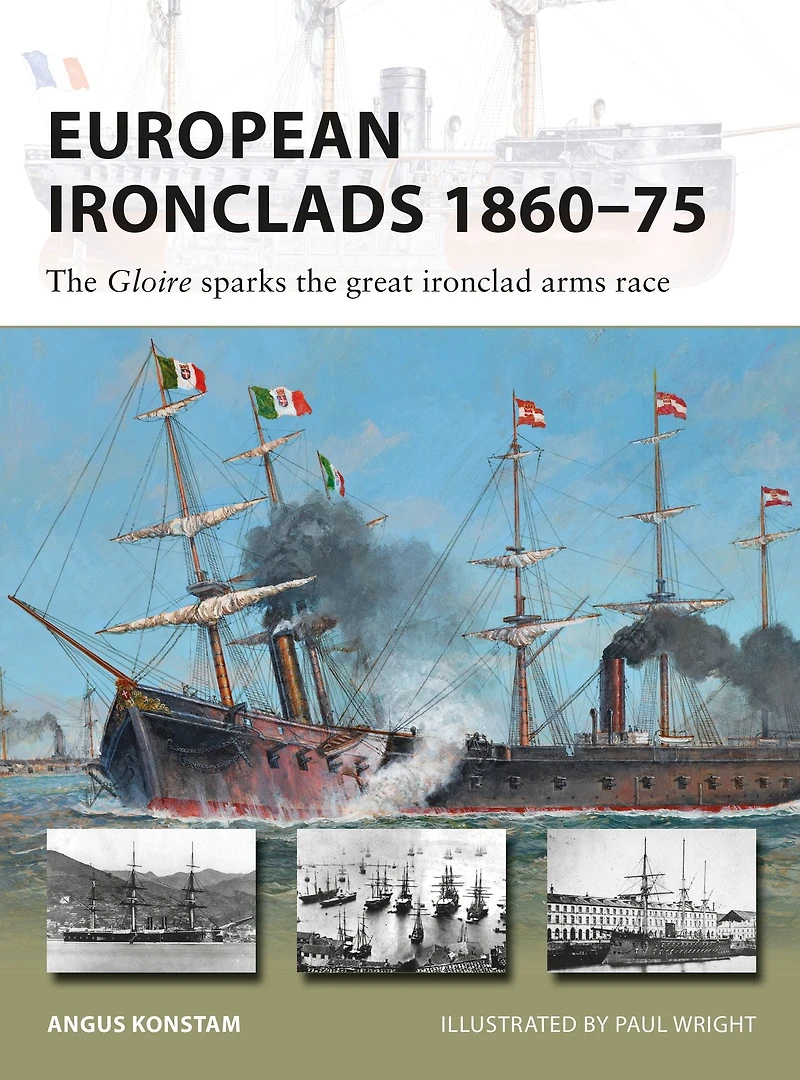
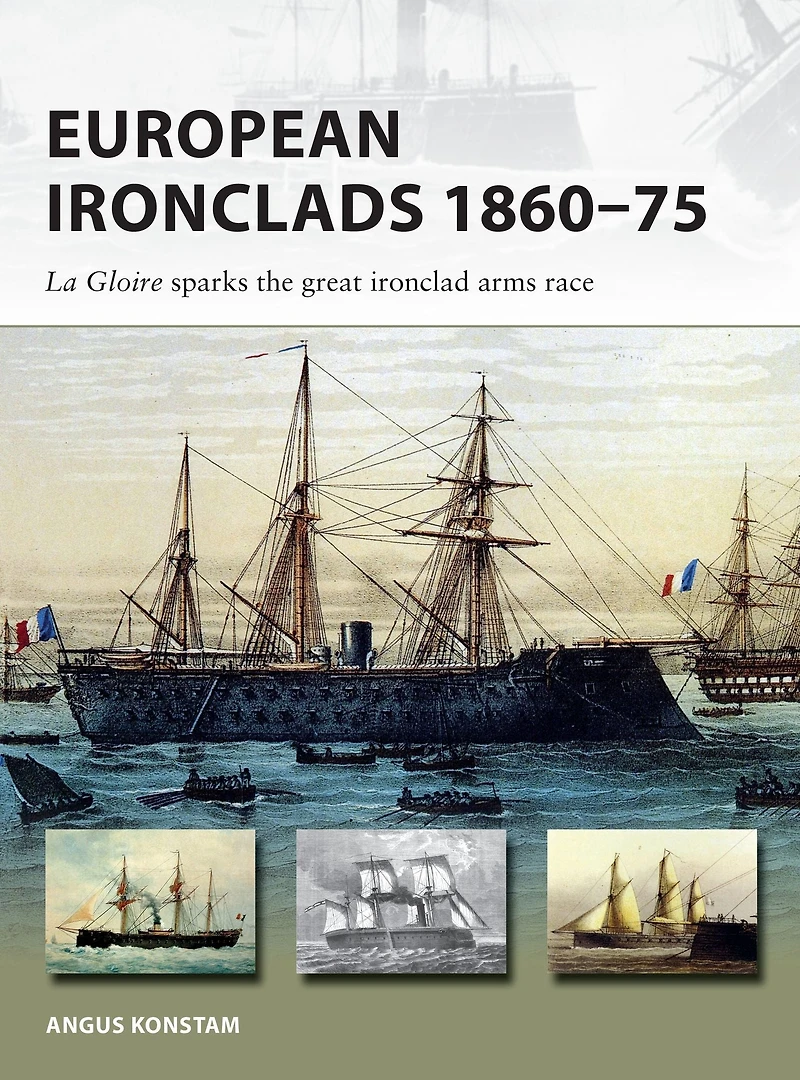
European Ironclads 1860-75: the Gloire sparks great ironclad arms race in Chattanooga, TN
By Barnes & Noble
Current price: $15.20
Barnes and Noble
European Ironclads 1860-75: the Gloire sparks great ironclad arms race in Chattanooga, TN
By Barnes & Noble
Current price: $15.20
Loading Inventory...
Size: EBook
From Spain to Russia, and from Ottoman Turkey to Bismarck's Prussia, this book explores 15 years that transformed European naval warfare.When the Gloire slid down the Toulon slipway in 1859, it changed sea power forever. With this ship, the world's first oceangoing ironclad, France had a warship that could sink any other, and which was proof against the guns of any wooden ship afloat. Instantly, an arms race began between the great navies of Europe – first to build their own ironclads, and then to surpass each other's technology and designs.As both armour and gun technology rapidly improved, naval architects found new ways to mount and protect guns. The ram briefly came back into fashion, and Italian and Austro-Hungarian fleets fought the ironclad era's great battle at Lissa. By the end of this revolutionary period, the modern battleship was becoming recognizable, and new naval powers were emerging to dominate Europe's waters.
From Spain to Russia, and from Ottoman Turkey to Bismarck's Prussia, this book explores 15 years that transformed European naval warfare.When the Gloire slid down the Toulon slipway in 1859, it changed sea power forever. With this ship, the world's first oceangoing ironclad, France had a warship that could sink any other, and which was proof against the guns of any wooden ship afloat. Instantly, an arms race began between the great navies of Europe – first to build their own ironclads, and then to surpass each other's technology and designs.As both armour and gun technology rapidly improved, naval architects found new ways to mount and protect guns. The ram briefly came back into fashion, and Italian and Austro-Hungarian fleets fought the ironclad era's great battle at Lissa. By the end of this revolutionary period, the modern battleship was becoming recognizable, and new naval powers were emerging to dominate Europe's waters.
You May Also Like
















More About Barnes and Noble at Hamilton Place
Barnes & Noble is the world’s largest retail bookseller and a leading retailer of content, digital media and educational products. Our Nook Digital business offers a lineup of NOOK® tablets and e-Readers and an expansive collection of digital reading content through the NOOK Store®. Barnes & Noble’s mission is to operate the best omni-channel specialty retail business in America, helping both our customers and booksellers reach their aspirations, while being a credit to the communities we serve.
2100 Hamilton Pl Blvd, Chattanooga, TN 37421, United States
Find Barnes and Noble at Hamilton Place in Chattanooga, TN
Visit Barnes and Noble at Hamilton Place in Chattanooga, TN
