
Home
Eugenics, 'Aristogenics', Photography: Picturing Privilege
Barnes and Noble
Loading Inventory...
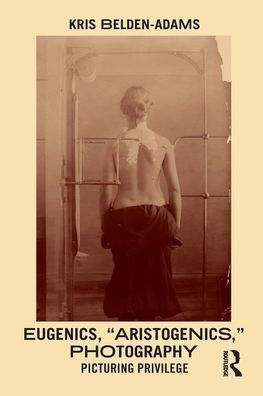
Eugenics, 'Aristogenics', Photography: Picturing Privilege in Chattanooga, TN
Current price: $150.00
Barnes and Noble
Eugenics, 'Aristogenics', Photography: Picturing Privilege in Chattanooga, TN
Current price: $150.00
Loading Inventory...
Size: Hardcover
This is the first study to explore the connections between late-19th-century university/college composite class portraits and the field of eugenics – which first took hold in the United States at Harvard University.
Eugenics, "Aristogenics," Photography
takes a closer look at how composite portraiture documented an idealized “reality” of the New England social-caste experience and explains how, when positioned in relation to the individual stories and portraits of members of the class, the portraits reveal points of non-conformity and rebellion with their own rhetoric.
Eugenics, "Aristogenics," Photography
takes a closer look at how composite portraiture documented an idealized “reality” of the New England social-caste experience and explains how, when positioned in relation to the individual stories and portraits of members of the class, the portraits reveal points of non-conformity and rebellion with their own rhetoric.
This is the first study to explore the connections between late-19th-century university/college composite class portraits and the field of eugenics – which first took hold in the United States at Harvard University.
Eugenics, "Aristogenics," Photography
takes a closer look at how composite portraiture documented an idealized “reality” of the New England social-caste experience and explains how, when positioned in relation to the individual stories and portraits of members of the class, the portraits reveal points of non-conformity and rebellion with their own rhetoric.
Eugenics, "Aristogenics," Photography
takes a closer look at how composite portraiture documented an idealized “reality” of the New England social-caste experience and explains how, when positioned in relation to the individual stories and portraits of members of the class, the portraits reveal points of non-conformity and rebellion with their own rhetoric.
You May Also Like
















More About Barnes and Noble at Hamilton Place
Barnes & Noble is the world’s largest retail bookseller and a leading retailer of content, digital media and educational products. Our Nook Digital business offers a lineup of NOOK® tablets and e-Readers and an expansive collection of digital reading content through the NOOK Store®. Barnes & Noble’s mission is to operate the best omni-channel specialty retail business in America, helping both our customers and booksellers reach their aspirations, while being a credit to the communities we serve.
2100 Hamilton Pl Blvd, Chattanooga, TN 37421, United States
Find Barnes and Noble at Hamilton Place in Chattanooga, TN
Visit Barnes and Noble at Hamilton Place in Chattanooga, TN
