
Home
Ethiopiques, Vol. 17: Tlahoun Gessesse
Barnes and Noble
Loading Inventory...
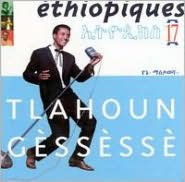
Ethiopiques, Vol. 17: Tlahoun Gessesse in Chattanooga, TN
Current price: $15.99
Barnes and Noble
Ethiopiques, Vol. 17: Tlahoun Gessesse in Chattanooga, TN
Current price: $15.99
Loading Inventory...
Size: OS
It's easy to wonder about the liner note proclamations that
Tlahoun Gessesse
is "the Voice of Ethiopia." If he's the man, why wait until
Vol. 17
to dedicate a full disc of the exemplary
Ethiopiques
series to his '70s hits? It's not that
Gessesse
isn't a strong, expressive singer, but his voice is thinner than
Mahmoud Ahmed
's. That may boil down to a
pop
vs. roots
soul
/
blues
debate, since the arrangements here are very controlled and in the pocket. It sounds more like genuine Ethiopian
music in the sense of well-crafted professionalism without many rough edges, so maybe
rates as "the Voice" by virtue of his ability to reach a mass audience. Another possibility could be that
latched onto his groove thing and worked it. Bookended by
"Sego Menor"
and
"Ras-Hen Betcha,"
at least half a dozen tunes here are peppy, uptempo Ethio-
with answering horns,
-style guitar comps, organ blankets, and
occasionally cutting loose but usually playing it cool. The
ballads
"Lantchi Biye"
"Sethed Seketelat"
may be the strongest selections musically, with a very deep, dark moody aura created by minor-key piano, vocal melisma, and an up-and-down rolling bass riff.
"Yene Mastawesha"
is a lightweight
ballad
with a near-Indian feel, and
"Selamtaye Yedres"
dips into the classic
bag with trumpet responses. The songs that leap out are the ones that sound different, and usually on the rougher or rowdier tip.
"Aykedashem Lebe"
sports rapid-fire
jazz
-inflected guitar soloing through a more complex arrangement, punchier drums, and stronger horns playing off
's affecting melisma.
"Ene Negn Wey Antchi"
falls closer to his usual vein, but it's a pretty happening uptempo
James Brown
sound with a roving bassline, snappy horns, and the drums chop-funking up a storm.
"Kulun Mankwalesh"
gets some of that smoky Ethiopian trance mojo working via a repetitive riff, wah-wah guitar, and flute for spice. Stronger horns adorn the looping octave drop riff to "Tezalegn Yetentu."
doesn't impress as a particularly daring artist on these tracks, more like one who found what works and stuck with it, relying on excellent craftsmanship and
professionalism to get over. Early
Motown
on an Ethiopia-scale might be a reasonable analogy. There's a lot of good music here but also moments when attention flags and whole tracks pass by without registering, something uncharacteristic of the better volumes of
. ~ Don Snowden
Tlahoun Gessesse
is "the Voice of Ethiopia." If he's the man, why wait until
Vol. 17
to dedicate a full disc of the exemplary
Ethiopiques
series to his '70s hits? It's not that
Gessesse
isn't a strong, expressive singer, but his voice is thinner than
Mahmoud Ahmed
's. That may boil down to a
pop
vs. roots
soul
/
blues
debate, since the arrangements here are very controlled and in the pocket. It sounds more like genuine Ethiopian
music in the sense of well-crafted professionalism without many rough edges, so maybe
rates as "the Voice" by virtue of his ability to reach a mass audience. Another possibility could be that
latched onto his groove thing and worked it. Bookended by
"Sego Menor"
and
"Ras-Hen Betcha,"
at least half a dozen tunes here are peppy, uptempo Ethio-
with answering horns,
-style guitar comps, organ blankets, and
occasionally cutting loose but usually playing it cool. The
ballads
"Lantchi Biye"
"Sethed Seketelat"
may be the strongest selections musically, with a very deep, dark moody aura created by minor-key piano, vocal melisma, and an up-and-down rolling bass riff.
"Yene Mastawesha"
is a lightweight
ballad
with a near-Indian feel, and
"Selamtaye Yedres"
dips into the classic
bag with trumpet responses. The songs that leap out are the ones that sound different, and usually on the rougher or rowdier tip.
"Aykedashem Lebe"
sports rapid-fire
jazz
-inflected guitar soloing through a more complex arrangement, punchier drums, and stronger horns playing off
's affecting melisma.
"Ene Negn Wey Antchi"
falls closer to his usual vein, but it's a pretty happening uptempo
James Brown
sound with a roving bassline, snappy horns, and the drums chop-funking up a storm.
"Kulun Mankwalesh"
gets some of that smoky Ethiopian trance mojo working via a repetitive riff, wah-wah guitar, and flute for spice. Stronger horns adorn the looping octave drop riff to "Tezalegn Yetentu."
doesn't impress as a particularly daring artist on these tracks, more like one who found what works and stuck with it, relying on excellent craftsmanship and
professionalism to get over. Early
Motown
on an Ethiopia-scale might be a reasonable analogy. There's a lot of good music here but also moments when attention flags and whole tracks pass by without registering, something uncharacteristic of the better volumes of
. ~ Don Snowden
It's easy to wonder about the liner note proclamations that
Tlahoun Gessesse
is "the Voice of Ethiopia." If he's the man, why wait until
Vol. 17
to dedicate a full disc of the exemplary
Ethiopiques
series to his '70s hits? It's not that
Gessesse
isn't a strong, expressive singer, but his voice is thinner than
Mahmoud Ahmed
's. That may boil down to a
pop
vs. roots
soul
/
blues
debate, since the arrangements here are very controlled and in the pocket. It sounds more like genuine Ethiopian
music in the sense of well-crafted professionalism without many rough edges, so maybe
rates as "the Voice" by virtue of his ability to reach a mass audience. Another possibility could be that
latched onto his groove thing and worked it. Bookended by
"Sego Menor"
and
"Ras-Hen Betcha,"
at least half a dozen tunes here are peppy, uptempo Ethio-
with answering horns,
-style guitar comps, organ blankets, and
occasionally cutting loose but usually playing it cool. The
ballads
"Lantchi Biye"
"Sethed Seketelat"
may be the strongest selections musically, with a very deep, dark moody aura created by minor-key piano, vocal melisma, and an up-and-down rolling bass riff.
"Yene Mastawesha"
is a lightweight
ballad
with a near-Indian feel, and
"Selamtaye Yedres"
dips into the classic
bag with trumpet responses. The songs that leap out are the ones that sound different, and usually on the rougher or rowdier tip.
"Aykedashem Lebe"
sports rapid-fire
jazz
-inflected guitar soloing through a more complex arrangement, punchier drums, and stronger horns playing off
's affecting melisma.
"Ene Negn Wey Antchi"
falls closer to his usual vein, but it's a pretty happening uptempo
James Brown
sound with a roving bassline, snappy horns, and the drums chop-funking up a storm.
"Kulun Mankwalesh"
gets some of that smoky Ethiopian trance mojo working via a repetitive riff, wah-wah guitar, and flute for spice. Stronger horns adorn the looping octave drop riff to "Tezalegn Yetentu."
doesn't impress as a particularly daring artist on these tracks, more like one who found what works and stuck with it, relying on excellent craftsmanship and
professionalism to get over. Early
Motown
on an Ethiopia-scale might be a reasonable analogy. There's a lot of good music here but also moments when attention flags and whole tracks pass by without registering, something uncharacteristic of the better volumes of
. ~ Don Snowden
Tlahoun Gessesse
is "the Voice of Ethiopia." If he's the man, why wait until
Vol. 17
to dedicate a full disc of the exemplary
Ethiopiques
series to his '70s hits? It's not that
Gessesse
isn't a strong, expressive singer, but his voice is thinner than
Mahmoud Ahmed
's. That may boil down to a
pop
vs. roots
soul
/
blues
debate, since the arrangements here are very controlled and in the pocket. It sounds more like genuine Ethiopian
music in the sense of well-crafted professionalism without many rough edges, so maybe
rates as "the Voice" by virtue of his ability to reach a mass audience. Another possibility could be that
latched onto his groove thing and worked it. Bookended by
"Sego Menor"
and
"Ras-Hen Betcha,"
at least half a dozen tunes here are peppy, uptempo Ethio-
with answering horns,
-style guitar comps, organ blankets, and
occasionally cutting loose but usually playing it cool. The
ballads
"Lantchi Biye"
"Sethed Seketelat"
may be the strongest selections musically, with a very deep, dark moody aura created by minor-key piano, vocal melisma, and an up-and-down rolling bass riff.
"Yene Mastawesha"
is a lightweight
ballad
with a near-Indian feel, and
"Selamtaye Yedres"
dips into the classic
bag with trumpet responses. The songs that leap out are the ones that sound different, and usually on the rougher or rowdier tip.
"Aykedashem Lebe"
sports rapid-fire
jazz
-inflected guitar soloing through a more complex arrangement, punchier drums, and stronger horns playing off
's affecting melisma.
"Ene Negn Wey Antchi"
falls closer to his usual vein, but it's a pretty happening uptempo
James Brown
sound with a roving bassline, snappy horns, and the drums chop-funking up a storm.
"Kulun Mankwalesh"
gets some of that smoky Ethiopian trance mojo working via a repetitive riff, wah-wah guitar, and flute for spice. Stronger horns adorn the looping octave drop riff to "Tezalegn Yetentu."
doesn't impress as a particularly daring artist on these tracks, more like one who found what works and stuck with it, relying on excellent craftsmanship and
professionalism to get over. Early
Motown
on an Ethiopia-scale might be a reasonable analogy. There's a lot of good music here but also moments when attention flags and whole tracks pass by without registering, something uncharacteristic of the better volumes of
. ~ Don Snowden
You May Also Like
















More About Barnes and Noble at Hamilton Place
Barnes & Noble is the world’s largest retail bookseller and a leading retailer of content, digital media and educational products. Our Nook Digital business offers a lineup of NOOK® tablets and e-Readers and an expansive collection of digital reading content through the NOOK Store®. Barnes & Noble’s mission is to operate the best omni-channel specialty retail business in America, helping both our customers and booksellers reach their aspirations, while being a credit to the communities we serve.
2100 Hamilton Pl Blvd, Chattanooga, TN 37421, United States
Find Barnes and Noble at Hamilton Place in Chattanooga, TN
Visit Barnes and Noble at Hamilton Place in Chattanooga, TN
