
Home
ESKAPE Pathogens: Detection, Mechanisms and Treatment Strategies
Barnes and Noble
Loading Inventory...
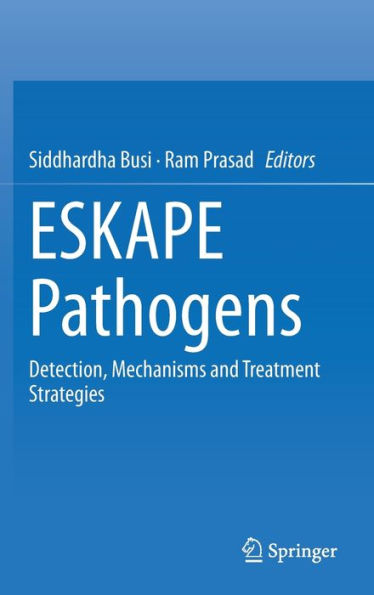
ESKAPE Pathogens: Detection, Mechanisms and Treatment Strategies in Chattanooga, TN
Current price: $179.99
Barnes and Noble
ESKAPE Pathogens: Detection, Mechanisms and Treatment Strategies in Chattanooga, TN
Current price: $179.99
Loading Inventory...
Size: Hardcover
This book explores the medical importance of
Enterococcus faecium
,
Staphylococcus aureus
Klebsiella pneumoniae
Acinetobacter baumannii
Pseudomonas aeruginosa
, and
Enterobacter
spp. (ESKAPE) pathogens, and the challenges posed by antibiotic resistance. It covers the antibiotic resistance profile and detection of ESKAPE pathogens, as well as the mechanistic understanding of antibiotic resistance in these pathogens. The book discusses standard microbiological techniques, including staining, morphological and cultural characteristics, biochemical properties, and serotyping, as well as nucleic acid amplification and molecular diagnostic techniques for the detection of ESKAPE pathogens. In addition, the book explores biochemical, molecular, and computational techniques for the determination of virulence factors of ESKAPE pathogens. It also examines the synthesis, structure, function, and inhibitors of virulence factors and biofilm componentsin these pathogens. The book explores various strategies for combating ESKAPE pathogens, including antibiotic adjuvants and their synergistic activity, phyhemicals as potential antibacterial agents, photodynamic therapy, antimicrobial peptides and antibacterial antibodies, antimicrobial activity of Nanomaterials and Nanocomposites, and bacteriophage therapy. Finally, the book discusses
in silico
and computational approaches for the inhibition of ESKAPE pathogens. This comprehensive book is of interest to researchers, students, and healthcare professionals interested in the diagnosis, prevention, and treatment of ESKAPE pathogens.
Enterococcus faecium
,
Staphylococcus aureus
Klebsiella pneumoniae
Acinetobacter baumannii
Pseudomonas aeruginosa
, and
Enterobacter
spp. (ESKAPE) pathogens, and the challenges posed by antibiotic resistance. It covers the antibiotic resistance profile and detection of ESKAPE pathogens, as well as the mechanistic understanding of antibiotic resistance in these pathogens. The book discusses standard microbiological techniques, including staining, morphological and cultural characteristics, biochemical properties, and serotyping, as well as nucleic acid amplification and molecular diagnostic techniques for the detection of ESKAPE pathogens. In addition, the book explores biochemical, molecular, and computational techniques for the determination of virulence factors of ESKAPE pathogens. It also examines the synthesis, structure, function, and inhibitors of virulence factors and biofilm componentsin these pathogens. The book explores various strategies for combating ESKAPE pathogens, including antibiotic adjuvants and their synergistic activity, phyhemicals as potential antibacterial agents, photodynamic therapy, antimicrobial peptides and antibacterial antibodies, antimicrobial activity of Nanomaterials and Nanocomposites, and bacteriophage therapy. Finally, the book discusses
in silico
and computational approaches for the inhibition of ESKAPE pathogens. This comprehensive book is of interest to researchers, students, and healthcare professionals interested in the diagnosis, prevention, and treatment of ESKAPE pathogens.
This book explores the medical importance of
Enterococcus faecium
,
Staphylococcus aureus
Klebsiella pneumoniae
Acinetobacter baumannii
Pseudomonas aeruginosa
, and
Enterobacter
spp. (ESKAPE) pathogens, and the challenges posed by antibiotic resistance. It covers the antibiotic resistance profile and detection of ESKAPE pathogens, as well as the mechanistic understanding of antibiotic resistance in these pathogens. The book discusses standard microbiological techniques, including staining, morphological and cultural characteristics, biochemical properties, and serotyping, as well as nucleic acid amplification and molecular diagnostic techniques for the detection of ESKAPE pathogens. In addition, the book explores biochemical, molecular, and computational techniques for the determination of virulence factors of ESKAPE pathogens. It also examines the synthesis, structure, function, and inhibitors of virulence factors and biofilm componentsin these pathogens. The book explores various strategies for combating ESKAPE pathogens, including antibiotic adjuvants and their synergistic activity, phyhemicals as potential antibacterial agents, photodynamic therapy, antimicrobial peptides and antibacterial antibodies, antimicrobial activity of Nanomaterials and Nanocomposites, and bacteriophage therapy. Finally, the book discusses
in silico
and computational approaches for the inhibition of ESKAPE pathogens. This comprehensive book is of interest to researchers, students, and healthcare professionals interested in the diagnosis, prevention, and treatment of ESKAPE pathogens.
Enterococcus faecium
,
Staphylococcus aureus
Klebsiella pneumoniae
Acinetobacter baumannii
Pseudomonas aeruginosa
, and
Enterobacter
spp. (ESKAPE) pathogens, and the challenges posed by antibiotic resistance. It covers the antibiotic resistance profile and detection of ESKAPE pathogens, as well as the mechanistic understanding of antibiotic resistance in these pathogens. The book discusses standard microbiological techniques, including staining, morphological and cultural characteristics, biochemical properties, and serotyping, as well as nucleic acid amplification and molecular diagnostic techniques for the detection of ESKAPE pathogens. In addition, the book explores biochemical, molecular, and computational techniques for the determination of virulence factors of ESKAPE pathogens. It also examines the synthesis, structure, function, and inhibitors of virulence factors and biofilm componentsin these pathogens. The book explores various strategies for combating ESKAPE pathogens, including antibiotic adjuvants and their synergistic activity, phyhemicals as potential antibacterial agents, photodynamic therapy, antimicrobial peptides and antibacterial antibodies, antimicrobial activity of Nanomaterials and Nanocomposites, and bacteriophage therapy. Finally, the book discusses
in silico
and computational approaches for the inhibition of ESKAPE pathogens. This comprehensive book is of interest to researchers, students, and healthcare professionals interested in the diagnosis, prevention, and treatment of ESKAPE pathogens.
You May Also Like











More About Barnes and Noble at Hamilton Place
Barnes & Noble is the world’s largest retail bookseller and a leading retailer of content, digital media and educational products. Our Nook Digital business offers a lineup of NOOK® tablets and e-Readers and an expansive collection of digital reading content through the NOOK Store®. Barnes & Noble’s mission is to operate the best omni-channel specialty retail business in America, helping both our customers and booksellers reach their aspirations, while being a credit to the communities we serve.
2100 Hamilton Pl Blvd, Chattanooga, TN 37421, United States
Find Barnes and Noble at Hamilton Place in Chattanooga, TN
Visit Barnes and Noble at Hamilton Place in Chattanooga, TN
