
Home
Environmental Nexus Approach: Management of Water, Waste, and Soil
Barnes and Noble
Loading Inventory...
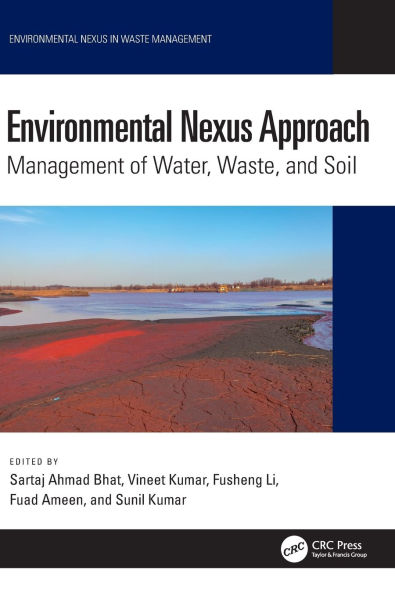
Environmental Nexus Approach: Management of Water, Waste, and Soil in Chattanooga, TN
Current price: $200.00
Barnes and Noble
Environmental Nexus Approach: Management of Water, Waste, and Soil in Chattanooga, TN
Current price: $200.00
Loading Inventory...
Size: Hardcover
Environmental Nexus Approach: Management of Water, Waste, and Soil
establishes linkages between environmental resources, such as water, waste, and soil, in order to facilitate sustainable management of these resources. It shows the nexus approach as a policy-relevant means of environmental management by focusing on integrated management of water, waste, and soil resources. It synthesizes interdisciplinary theory, concepts, definitions, models, and findings involved in complex global sustainability problem-solving, making it an essential guide and reference. It includes real-world examples and applications making the book accessible to a broader interdisciplinary readership.
Features:
Explores cutting-edge developments in the environmental nexus approach of water, waste, and soil.
Introduces the key mechanisms regarding antibiotic resistance genes, microplastics, and other emerging contaminants in the water, waste, and soil nexus.
Investigates the fate and behavior of heavy metals, polyaromatic hydrocarbons, plastics, and pesticides in soil systems and their risk assessment.
Provides insights into the latest developments, current research perspectives, technology development, critical thinking, and societal requirements of the environmental nexus between water, waste, and soil.
This book is aimed at graduate students and researchers in environmental science and engineering, environmental engineering, and waste management.
establishes linkages between environmental resources, such as water, waste, and soil, in order to facilitate sustainable management of these resources. It shows the nexus approach as a policy-relevant means of environmental management by focusing on integrated management of water, waste, and soil resources. It synthesizes interdisciplinary theory, concepts, definitions, models, and findings involved in complex global sustainability problem-solving, making it an essential guide and reference. It includes real-world examples and applications making the book accessible to a broader interdisciplinary readership.
Features:
Explores cutting-edge developments in the environmental nexus approach of water, waste, and soil.
Introduces the key mechanisms regarding antibiotic resistance genes, microplastics, and other emerging contaminants in the water, waste, and soil nexus.
Investigates the fate and behavior of heavy metals, polyaromatic hydrocarbons, plastics, and pesticides in soil systems and their risk assessment.
Provides insights into the latest developments, current research perspectives, technology development, critical thinking, and societal requirements of the environmental nexus between water, waste, and soil.
This book is aimed at graduate students and researchers in environmental science and engineering, environmental engineering, and waste management.
Environmental Nexus Approach: Management of Water, Waste, and Soil
establishes linkages between environmental resources, such as water, waste, and soil, in order to facilitate sustainable management of these resources. It shows the nexus approach as a policy-relevant means of environmental management by focusing on integrated management of water, waste, and soil resources. It synthesizes interdisciplinary theory, concepts, definitions, models, and findings involved in complex global sustainability problem-solving, making it an essential guide and reference. It includes real-world examples and applications making the book accessible to a broader interdisciplinary readership.
Features:
Explores cutting-edge developments in the environmental nexus approach of water, waste, and soil.
Introduces the key mechanisms regarding antibiotic resistance genes, microplastics, and other emerging contaminants in the water, waste, and soil nexus.
Investigates the fate and behavior of heavy metals, polyaromatic hydrocarbons, plastics, and pesticides in soil systems and their risk assessment.
Provides insights into the latest developments, current research perspectives, technology development, critical thinking, and societal requirements of the environmental nexus between water, waste, and soil.
This book is aimed at graduate students and researchers in environmental science and engineering, environmental engineering, and waste management.
establishes linkages between environmental resources, such as water, waste, and soil, in order to facilitate sustainable management of these resources. It shows the nexus approach as a policy-relevant means of environmental management by focusing on integrated management of water, waste, and soil resources. It synthesizes interdisciplinary theory, concepts, definitions, models, and findings involved in complex global sustainability problem-solving, making it an essential guide and reference. It includes real-world examples and applications making the book accessible to a broader interdisciplinary readership.
Features:
Explores cutting-edge developments in the environmental nexus approach of water, waste, and soil.
Introduces the key mechanisms regarding antibiotic resistance genes, microplastics, and other emerging contaminants in the water, waste, and soil nexus.
Investigates the fate and behavior of heavy metals, polyaromatic hydrocarbons, plastics, and pesticides in soil systems and their risk assessment.
Provides insights into the latest developments, current research perspectives, technology development, critical thinking, and societal requirements of the environmental nexus between water, waste, and soil.
This book is aimed at graduate students and researchers in environmental science and engineering, environmental engineering, and waste management.
You May Also Like











More About Barnes and Noble at Hamilton Place
Barnes & Noble is the world’s largest retail bookseller and a leading retailer of content, digital media and educational products. Our Nook Digital business offers a lineup of NOOK® tablets and e-Readers and an expansive collection of digital reading content through the NOOK Store®. Barnes & Noble’s mission is to operate the best omni-channel specialty retail business in America, helping both our customers and booksellers reach their aspirations, while being a credit to the communities we serve.
2100 Hamilton Pl Blvd, Chattanooga, TN 37421, United States
Find Barnes and Noble at Hamilton Place in Chattanooga, TN
Visit Barnes and Noble at Hamilton Place in Chattanooga, TN
