
Home
Education and racism in Brazil
Barnes and Noble
Loading Inventory...
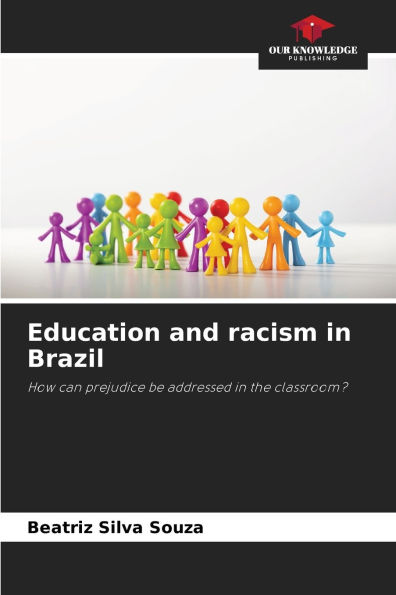
Education and racism in Brazil in Chattanooga, TN
Current price: $42.00
Barnes and Noble
Education and racism in Brazil in Chattanooga, TN
Current price: $42.00
Loading Inventory...
Size: OS
The manifesto of the Escolanovistas, in 1932, stipulated that schools should be secular, free, universal and compulsory. However, after more than 80 years, four Constitutions, the Manifesto of 1959, three different formulations of the Law of Guidelines and Bases (LDB), two National Education Plans, what we find today in Brazil is still educational inequality and a high illiteracy rate. The low quality of education is due to neglect and low investment, which prevent education from keeping pace with the country's cultural, social, political, and economic development. Brazil has delayed the initiative to universalise schooling, denied - and still denies - its slave-owning past and, as a result, has accumulated a historical deficit in this sector. This book proposes an analysis of the remnants of the eugenic education proposed by Getúlio Vargas and the ideology of whitening in Brazilian social formation, in order to ultimately attempt to answer the question of how to address prejudice in the classroom.
The manifesto of the Escolanovistas, in 1932, stipulated that schools should be secular, free, universal and compulsory. However, after more than 80 years, four Constitutions, the Manifesto of 1959, three different formulations of the Law of Guidelines and Bases (LDB), two National Education Plans, what we find today in Brazil is still educational inequality and a high illiteracy rate. The low quality of education is due to neglect and low investment, which prevent education from keeping pace with the country's cultural, social, political, and economic development. Brazil has delayed the initiative to universalise schooling, denied - and still denies - its slave-owning past and, as a result, has accumulated a historical deficit in this sector. This book proposes an analysis of the remnants of the eugenic education proposed by Getúlio Vargas and the ideology of whitening in Brazilian social formation, in order to ultimately attempt to answer the question of how to address prejudice in the classroom.
You May Also Like











More About Barnes and Noble at Hamilton Place
Barnes & Noble is the world’s largest retail bookseller and a leading retailer of content, digital media and educational products. Our Nook Digital business offers a lineup of NOOK® tablets and e-Readers and an expansive collection of digital reading content through the NOOK Store®. Barnes & Noble’s mission is to operate the best omni-channel specialty retail business in America, helping both our customers and booksellers reach their aspirations, while being a credit to the communities we serve.
2100 Hamilton Pl Blvd, Chattanooga, TN 37421, United States
Find Barnes and Noble at Hamilton Place in Chattanooga, TN
Visit Barnes and Noble at Hamilton Place in Chattanooga, TN
